In questo articolo, esploreremo le cause più comuni del sovraccarico delle punzonatrici, come individuarle e risolverle e le migliori soluzioni per prevenirne il verificarsi in futuro. Che siate operatori, tecnici di manutenzione o responsabili di stabilimento, capire come risolvere e prevenire i problemi di sovraccarico è fondamentale per mantenere le prestazioni ottimali delle vostre punzonatrici.
1. Capire il sovraccarico della punzonatrice
Prima di addentrarci nelle soluzioni, è importante capire cosa si intende per sovraccarico della punzonatrice. Il sovraccarico si verifica quando la punzonatrice è sottoposta a una forza o a uno stress eccessivi, superiori alla sua capacità di progettazione. Ciò può verificarsi a causa di un sovraccarico della macchina, di impostazioni non corrette o persino dell'utilizzo di uno spessore di materiale errato.

La condizione di sovraccarico può sollecitare i sistemi meccanici, elettrici e idraulici della punzonatrice, causando problemi quali:
- Precisione di punzonatura ridotta
- Usura eccessiva dei componenti
- Aumento dei tempi di inattività dovuti alle riparazioni
- Potenziali rischi per la sicurezza degli operatori
Il sovraccarico non riguarda solo lo stress meccanico sulle apparecchiature; può anche influire sull'efficienza complessiva della produzione e comportare riparazioni più costose se non viene affrontato tempestivamente.
2. Cause comuni di sovraccarico della punzonatrice
Ci sono diverse ragioni per cui un punzonatrice potrebbe verificarsi un sovraccarico. Di seguito, evidenziamo le cause più comuni e come riconoscerle:
a. Spessore del materiale errato
L'utilizzo di materiali troppo spessi per la punzonatrice può causare sollecitazioni eccessive sui componenti della macchina. Ogni punzonatrice ha una capacità nominale e il superamento di tale capacità può causare un sovraccarico. Ad esempio, la punzonatura di lamiere spesse di acciaio inossidabile su una macchina progettata per materiali più sottili può causare un sovraccarico della macchina.
b. Alta velocità e velocità di avanzamento
La punzonatura a velocità e avanzamenti superiori a quelli raccomandati può aumentare lo sforzo sulla macchina. Se la macchina è costretta a punzonare troppo velocemente, potrebbe non essere in grado di gestire lo sforzo, causando una situazione di sovraccarico. Gli operatori devono conoscere i parametri di velocità e avanzamento specificati dal produttore della macchina.
c. Scarsa manutenzione
La mancanza di manutenzione ordinaria può causare attriti e altri problemi meccanici che portano al sovraccarico. Componenti come la matrice del punzone, il sistema idraulico e il motore devono essere controllati regolarmente per garantirne il corretto funzionamento. Filtri intasati, parti usurate e mancanza di lubrificazione possono far sì che il sistema lavori più del necessario.
d. Impostazioni macchina non corrette
Regolazioni improprie, come impostazioni di corsa errate, possono comportare un carico eccessivo sulla macchina. Impostare la punzonatrice per una punzonatura più profonda o complessa senza tenere conto della resistenza del materiale può mettere a dura prova il sistema.
e. Problemi al sistema idraulico
Il sistema idraulico svolge un ruolo cruciale nel funzionamento di una punzonatrice. Se la pressione idraulica non è calibrata correttamente o se i livelli del fluido idraulico sono bassi, la macchina può sovraccaricarsi. Anche guasti al sistema idraulico possono far sì che la macchina eserciti una forza eccessiva, con conseguente sovraccarico.

3. Rilevamento del sovraccarico nelle punzonatrici
È importante individuare tempestivamente i problemi di sovraccarico per prevenire ulteriori danni alla punzonatrice. Ecco alcuni segnali comuni che indicano un sovraccarico:
a. Suoni insoliti
Rumori forti o insoliti come stridii, stridii o tintinnii possono essere segno che la macchina è sotto stress e fatica a svolgere correttamente le sue funzioni. Questi rumori possono indicare attrito tra parti mobili o altri problemi meccanici.
b. Risultati di punzonatura incoerenti
Se noti che i punzoni non sono sempre puliti o precisi, potrebbe essere il segno di un sovraccarico della macchina. La forza di punzonatura potrebbe non essere uniforme, causando tagli irregolari.
c. Velocità della macchina ridotta
Quando una punzonatrice è sovraccarica, potrebbe iniziare a rallentare. Se si nota una diminuzione della velocità di punzonatura della macchina, potrebbe essere dovuto al fatto che il sistema fatica a tenere il passo con i parametri impostati.
d. Surriscaldamento
Un calore eccessivo generato durante il funzionamento può essere un indicatore di sovraccarico. Se la macchina si surriscalda, la causa potrebbe essere un attrito eccessivo, una lubrificazione insufficiente o un sovraccarico dei sistemi idraulici.
e. Danni visivi
Segni fisici come matrici di punzonatura incrinate, utensili piegati o telai deformati possono essere evidenti nelle macchine sottoposte a condizioni di sovraccarico. Questi problemi devono essere affrontati immediatamente per evitare ulteriori danni.

4. Come risolvere il sovraccarico della punzonatrice
Una volta identificata una situazione di sovraccarico, è importante risolverla immediatamente per prevenire danni e garantire il corretto funzionamento della macchina. Ecco i passaggi chiave per risolvere il problema del sovraccarico della punzonatrice:
a. Regolare le impostazioni della macchina
Assicurarsi che tutte le impostazioni della macchina, tra cui lunghezza della corsa, velocità di avanzamento e velocità, siano impostate sui parametri consigliati. Consultare il manuale del produttore per le impostazioni ottimali per il materiale e lo spessore con cui si sta lavorando. Regolando le impostazioni è possibile ridurre il carico sulla macchina ed evitare sovraccarichi.
b. Ispezionare e sostituire i componenti usurati
Il sovraccarico può accelerare l'usura di componenti critici, tra cui punzoni, valvole idrauliche e cuscinetti. Ispezioni regolari possono identificare le parti usurate che necessitano di sostituzione. Assicurarsi che tutti i componenti meccanici siano adeguatamente lubrificati e puliti per evitare attriti e sollecitazioni.
c. Ridurre lo spessore del materiale
Se il materiale utilizzato è troppo spesso per la punzonatrice, si consiglia di passare a un materiale più sottile che rientri nella capacità nominale della macchina. In alternativa, è possibile regolare la velocità di punzonatura e l'avanzamento per adattarli al materiale più spesso, oppure utilizzare una punzonatrice con una capacità di tonnellaggio maggiore.
d. Calibrare il sistema idraulico
Assicurarsi che la pressione idraulica sia entro i limiti raccomandati. In caso di malfunzionamento del sistema idraulico, verificare la presenza di perdite, bassi livelli di fluido o altri problemi. Assicurarsi che il fluido idraulico venga sostituito regolarmente per garantire un funzionamento regolare.
e. Implementare la manutenzione di routine
Stabilire un programma di manutenzione regolare per garantire che tutti i componenti siano ispezionati, puliti e lubrificati. Questo include il controllo del sistema idraulico, della matrice e del motore per garantirne il funzionamento ottimale. Una corretta manutenzione può prevenire la maggior parte dei problemi di sovraccarico prima che si verifichino.
f. Formazione degli operatori
Assicurarsi che gli operatori siano adeguatamente formati sull'uso e sul funzionamento corretto della punzonatrice. Una formazione adeguata può ridurre la probabilità di impostazioni e operazioni errate, che sono le principali cause di sovraccarico.

5. Prevenire il sovraccarico della punzonatrice in futuro
Per prevenire futuri problemi di sovraccarico è necessario combinare un corretto utilizzo della macchina, una corretta manutenzione e la formazione degli operatori. Per evitare sovraccarichi futuri, è necessario implementare le seguenti strategie:
a. Installare sistemi di protezione da sovraccarico
Alcune punzonatrici moderne sono dotate di sistemi di protezione da sovraccarico che spengono automaticamente la macchina se supera la capacità nominale. Questa funzione contribuisce a proteggere sia la macchina che l'operatore dai rischi associati al sovraccarico.
b. Utilizzare gli utensili adeguati
Assicuratevi di utilizzare punzoni e utensili adatti al materiale e all'applicazione da realizzare. L'utilizzo di utensili non adatti può causare inutili sollecitazioni alla macchina.
c. Aggiornare l'equipaggiamento
Se la tua attuale punzonatrice è spesso sovraccarica, potrebbe essere il momento di passare a una macchina più potente con una maggiore capacità di tonnellaggio. Questo garantirà che la macchina possa gestire il carico di lavoro senza sovraccaricarsi.
d. Monitoraggio regolare delle prestazioni
Monitorare regolarmente le prestazioni della punzonatrice attraverso parametri quali velocità di taglio, precisione e spreco di materiale. Il monitoraggio di questi parametri aiuta a identificare eventuali segnali di sovraccarico prima che diventino un problema serio.

Conclusione
Il sovraccarico delle punzonatrici è un problema comune ma grave che può causare tempi di fermo macchina significativi, maggiori costi di manutenzione e persino potenziali rischi per la sicurezza. Quando una punzonatrice è sovraccarica, può causare un'usura eccessiva dei componenti, causando guasti prematuri. Ciò può interrompere il processo di produzione, causando ritardi nella produzione e una diminuzione della produttività complessiva. Inoltre, le condizioni di sovraccarico possono persino compromettere la sicurezza degli operatori, esponendoli a condizioni pericolose, tra cui il rischio di guasti meccanici o incidenti.
Comprendere le cause alla base del sovraccarico nelle punzonatrici è fondamentale per mitigare il problema. Tra le cause più comuni rientrano impostazioni errate della macchina, forza eccessiva applicata durante il funzionamento o l'uso di materiali che superano la capacità della macchina. Il sovraccarico può verificarsi anche a causa di una manutenzione impropria, come la mancata lubrificazione delle parti mobili o la mancata sostituzione di componenti usurati. Riconoscere i primi segnali di sovraccarico, come rumori insoliti, aumento delle vibrazioni o prestazioni incoerenti, è essenziale per affrontare il problema prima che causi danni significativi.
Per prevenire problemi di sovraccarico, i produttori devono dare priorità alla manutenzione regolare delle loro punzonatrici. Ciò include ispezioni di routine, la garanzia di una corretta lubrificazione e la sostituzione tempestiva delle parti usurate. Inoltre, assicurarsi che le impostazioni della macchina siano correttamente regolate per il materiale e l'attività specifica è essenziale per prevenire il sovraccarico. Gli operatori devono essere adeguatamente formati per riconoscere ed evitare condizioni di sovraccarico, comprendendo i limiti della macchina e seguendo le procedure operative standard. Anche la corretta selezione dei materiali gioca un ruolo fondamentale nella prevenzione del sovraccarico, poiché materiali troppo spessi o duri per la macchina possono facilmente causare sollecitazioni e danni.
Seguendo queste buone pratiche – manutenzione regolare, corrette impostazioni delle macchine, selezione adeguata dei materiali e formazione completa degli operatori – i produttori possono prolungare la durata delle loro punzonatrici, ridurre i tempi di fermo e migliorare l'efficienza operativa. Investire in misure preventive non solo protegge la macchina, ma garantisce anche un processo produttivo più affidabile ed economico, migliorando in definitiva le prestazioni aziendali complessive.
Questo articolo completo confronta in modo approfondito queste due macchine in base a struttura, prestazioni, gamma di applicazioni, capacità di automazione, manutenzione, rapporto costi-efficacia e altro ancora.
Progettazione strutturale e qualità costruttiva
Pressa idraulica Y32
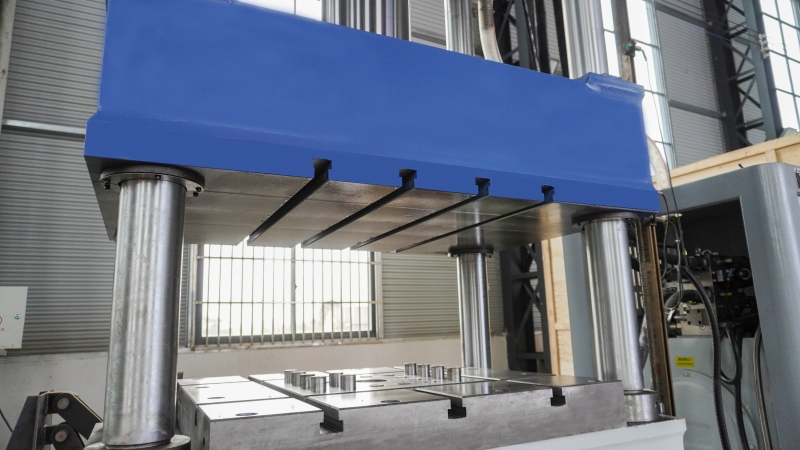
La pressa idraulica Y32 è costruita su una struttura verticale a quattro colonne, nota per l'eccellente rigidità e l'equilibrio. Questo design supporta operazioni di imbutitura profonda che richiedono una distribuzione simmetrica della pressione e una deformazione minima, anche sotto carichi elevati.
Vantaggi strutturali:
- Le colonne per carichi pesanti garantiscono una forte resistenza alla distorsione del telaio
- Più adatto per la formazione di cavità profonde e complesse
- Struttura rigida ideale per componenti di precisione

Pressa idraulica Y27
La serie Y27 è progettata con una configurazione a C (a colonna singola), che migliora l'accessibilità per l'operatore ed è adatta per operazioni di formatura leggere e moderate. Il suo design compatto consente una facile integrazione in piccoli ambienti di lavoro.
Vantaggi strutturali:
- Il layout frontale aperto consente rapidi cambi di matrice
- Compatto ed efficiente per piccoli spazi di produzione
- Più conveniente per i sistemi di automazione periferica
Panoramica dei parametri tecnici
| Caratteristica | Serie Y32 | Serie Y27 |
|---|---|---|
| Tipo di struttura | Quattro colonne | Telaio a C (colonna singola) |
| Intervallo di forza di pressione | 100 – 2000 tonnellate | 63 – 250 tonnellate |
| Lunghezza del tratto | Fino a 1000 mm | Fino a 600 mm |
| Dimensioni della tabella | Personalizzabile | Formati compatti standard |
| Apertura alla luce del giorno | Fino a 1600 mm | Fino a 800 mm |
| Spessore del materiale adatto | Fogli da medi a spessi | Fogli da sottili a medi |
| Pannello di controllo | PLC + HMI Touchscreen | Interfaccia di base PLC |
| Impronta di installazione | Richiede più spazio sul pavimento | Adatto a piccoli laboratori |
Idoneità dell'applicazione
Applicazioni della pressa idraulica Y32
La pressa Y32 è ottimizzata per operazioni di formatura pesanti e ad alta precisione. È ideale per:
- Stampaggio profondo di parti di automobili come serbatoi di carburante, tappi del radiatore e coppe dell'olio
- Pentole grandi come i lavelli della cucina e le pentole in acciaio inossidabile
- Formatura del pannello per elettrodomestici e contenitori
- Raddrizzatura e formatura a stampo dove è richiesta un'elevata uniformità di pressione
Offre una piattaforma stabile per applicazioni a corsa lunga e ad alta forza che comportano geometrie di formatura complesse.
La pressa idraulica Y32 è adatta ad applicazioni gravose, garantendo un'elevata precisione nelle operazioni di formatura. Offre una solida base per applicazioni che prevedono geometrie di formatura complesse, che richiedono elevata forza e capacità di corsa lunga. Questa pressa è ottimizzata per attività che richiedono affidabilità e precisione in processi di produzione complessi. Inoltre, la pressa idraulica Y32 è progettata per supportare prestazioni costanti in ambienti industriali rigorosi, soddisfacendo i requisiti di formatura complessi e ad alta forza. Il suo design robusto e le sue funzionalità avanzate la rendono una risorsa preziosa per diversi contesti di produzione.
Applicazioni della pressa idraulica Y27
La pressa Y27 è adatta per lavorazioni leggere che richiedono tempi di ciclo rapidi e frequenti cambi utensile. Gli utilizzi tipici includono:
- Punzonatura e rifilatura di parti in lamiera
- Goffratura e marcatura del logo
- Formatura leggera per componenti elettronici, elementi filtranti e targhette
- Prove di stampi e lavori di riparazione
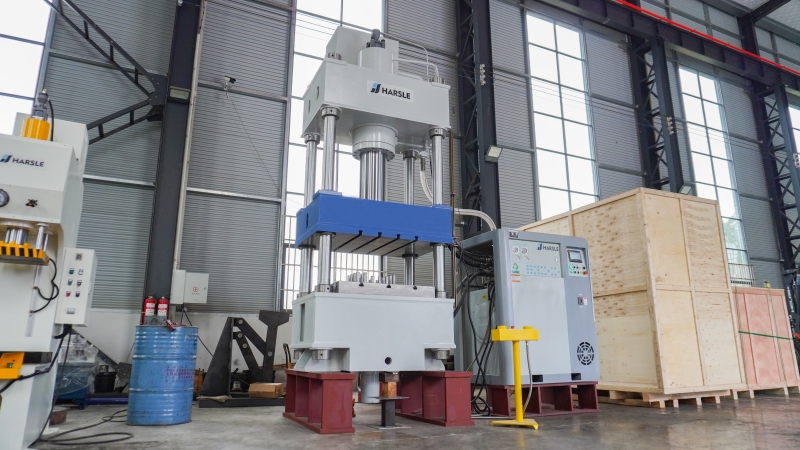
È diffuso nelle PMI, nei reparti di manutenzione e nelle officine di produzione in serie.
La pressa Y32 è progettata per operazioni di formatura impegnative e ad alta precisione. Eccelle nel fornire una base robusta per geometrie di formatura complesse che richiedono forza e corsa significative. Al contrario, la pressa Y27 è progettata per operazioni più leggere che richiedono cicli rapidi e frequenti regolazioni degli utensili. Le applicazioni più comuni includono piccole e medie imprese, unità di manutenzione e impianti di produzione in serie.
Automazione e personalizzazione
Y32 Premere:
- Supporta l'integrazione con linee di alimentazione, alimentatori servoassistiti e cambiastampi automatici
- Può essere dotato di sensori di pressione, cuscini di stampaggio, espulsori e tende di sicurezza
- Adatto per l'automazione di parti complesse e la connettività di fabbriche intelligenti
Y27 Press:
- Compatibile con strumenti di automazione leggera come trasportatori e pedali
- Impostazioni manuali più rapide, ideali per tirature brevi
- Supporta misure di sicurezza di base e sensori opzionali
Efficienza energetica e progettazione del sistema
Serie Y32:
- Dotato di sistemi di valvole servo-idrauliche o proporzionali
- Ottimizzato per il risparmio energetico e il controllo costante della pressione
- L'unità idraulica è dotata di riduzione del rumore e controllo della temperatura dell'olio

Serie Y27:
- Configurazione di base della pompa idraulica
- Conveniente per applicazioni intermittenti o a bassa pressione
- Manutenzione più semplice con circuiti idraulici semplificati
Facilità d'uso ed ergonomia
| Criteri | Serie Y32 | Serie Y27 |
| Accessibilità dell'operatore | Chiuso, ma consente un funzionamento sicuro | Telaio a C completamente aperto per un facile accesso |
| Tempo di preparazione dello stampo | Moderato (dipende dalla complessità) | Tempi di installazione più brevi con telaio aperto |
| Ergonomia | Progettato per lavori di precisione | Progettato per velocità e semplicità |
| Interfaccia di controllo | PLC avanzato multimodale | Interfaccia di controllo facile da imparare |
Manutenzione e durata
Vantaggi Y32:
- Componenti per impieghi gravosi adatti a operazioni con ciclo di vita lungo
- Richiede manutenzione programmata per i sistemi idraulici ed elettrici
- Progettato per un utilizzo ad alto carico con usura minima
Vantaggi Y27:
- La semplice disposizione idraulica garantisce una facile manutenzione
- Minore rischio di guasti in ambienti leggeri
- I pezzi di ricambio sono ampiamente disponibili

Costo e ritorno dell'investimento
Serie Y32:
- Maggiori investimenti di capitale
- Adatto per linee di produzione ad alto volume con ROI a lungo termine
- Risparmio grazie alla riduzione degli scarti, maggiore precisione e integrazione dell'automazione
Serie Y27:
- Investimento iniziale inferiore
- Rapida implementazione e ROI per officine di piccole e medie dimensioni
- Ideale per officine con esigenze di prodotti diversificate e produzione di piccoli lotti
Caso di studio reale: settore automobilistico vs. settore degli elettrodomestici
Produttore automobilistico (Y32) Un fornitore automobilistico di primo livello ha scelto la serie Y32 per l'imbutitura profonda di coppe dell'olio e coperchi batteria in acciaio. I requisiti chiave erano:
- Pressione uniforme su stampi di grandi dimensioni
- Lunga corsa operativa e longevità dell'utensile
- Integrazione con un sistema di alimentazione automatico
Il risultato è stato un aumento della produttività di 35% e una riduzione del tasso di scarto di 25%.
Produttore di elettrodomestici (Y27) Una taglia media apparecchio Il produttore ha scelto la pressa Y27 per gestire operazioni rapide come la goffratura del logo e il taglio dei fogli. Le considerazioni principali erano:
- Dimensioni compatte della macchina
- Cambio rapido degli utensili
- vincoli di bilancio
Il produttore ha riscontrato un miglioramento dell'efficienza del flusso di lavoro con il modello 40% in uno spazio limitato.
Scegliere il modello giusto per la tua officina
| Requisito | Modello consigliato |
| Elevato tonnellaggio e formatura profonda | Serie Y32 |
| Spazio compatto e cambio rapido | Serie Y27 |
| Integrazione della fabbrica intelligente | Serie Y32 |
| Funzionamento manuale e flessibilità | Serie Y27 |
| Formatura a corsa lunga | Serie Y32 |
| Test e riparazione di muffe | Serie Y27 |
Riepilogo: Quale pressa idraulica dovresti scegliere?
Entrambe le presse della serie Y32 e Y27 offrono prestazioni affidabili, ma soddisfano esigenze industriali molto diverse:
- Scegli il Y32 se il tuo obiettivo è potenza, precisione e produzione automatizzata ad alto volume.
- Scegli il Y27 se il tuo obiettivo è flessibilità, economicità e design compatto.
HARSLE fornisce configurazioni di presse idrauliche personalizzate per adattarsi alle vostre specifiche applicazioni, garantendo la massima efficienza e longevità. Contattate il nostro team di ingegneri per ottenere una consulenza professionale in base ai vostri obiettivi di produzione.
In questo articolo esploreremo il i 5 principali vantaggi dell'utilizzo di un piegatrice CNC per la lavorazione della lamiera e fornire una descrizione dettagliata di come questa attrezzatura può trasformare il vostro reparto produttivo in ambienti di produzione sia piccoli che grandi.
1. Velocità di piegatura e produttività senza pari
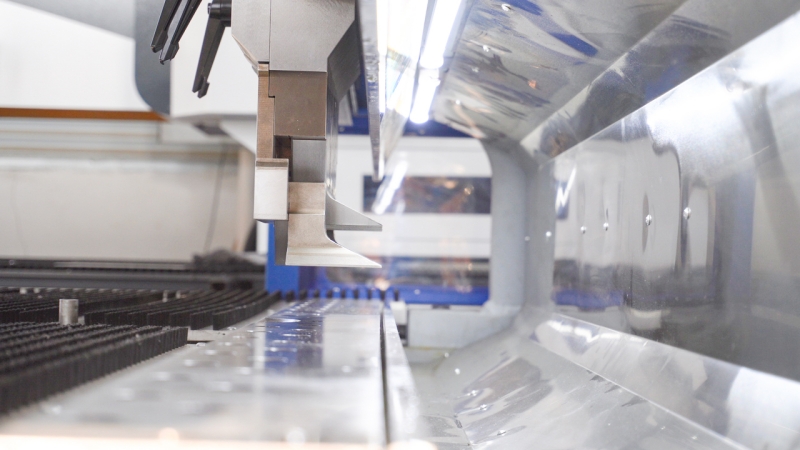
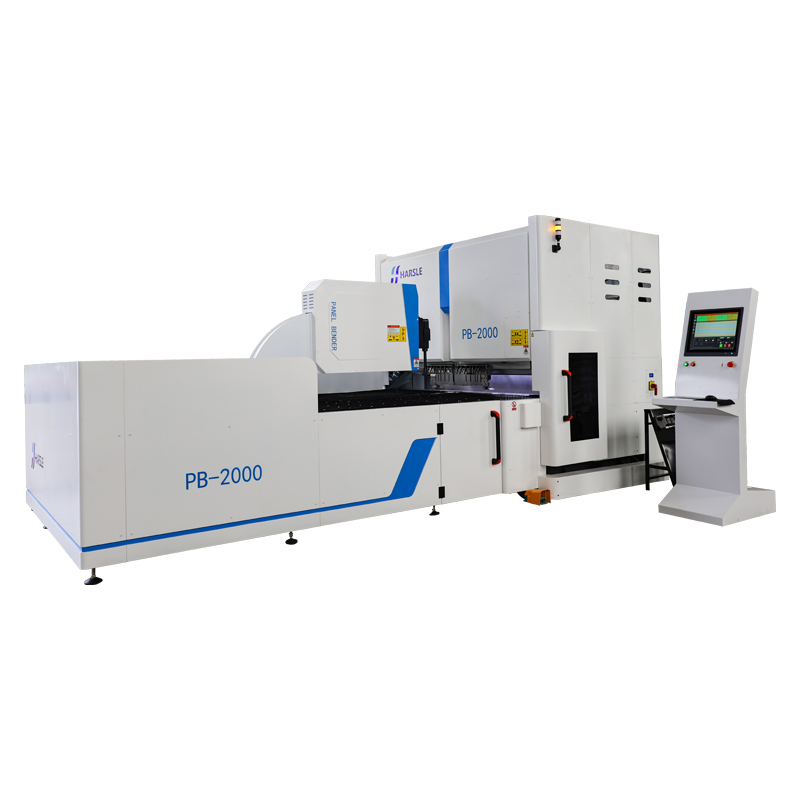
Uno dei vantaggi più significativi delle pannellatrici CNC è la loro eccezionale velocità di piegatura. A differenza delle presse piegatrici convenzionali che richiedono il riposizionamento manuale, il riallineamento e il cambio utensili, le pannellatrici automatizzano l'intera sequenza di piegatura. La lamiera viene bloccata in posizione e una lama di piegatura programmabile esegue ogni piega in sequenza, ruotando e regolandosi automaticamente tra una piega e l'altra.

Questo ciclo altamente automatizzato riduce drasticamente i tempi di movimentazione manuale, le modifiche di configurazione e gli errori umani. Le pannellatrici CNC sono particolarmente utili negli ambienti di produzione Just-In-Time (JIT), dove efficienza, velocità e ripetibilità sono fondamentali.
Vantaggi concreti dell'aumento della velocità:
- Tempi di ciclo più brevi: Ogni pannello viene piegato in pochi secondi anziché in minuti.
- Tempi di inattività minimi: Rapido cambio tra i tipi di pezzi con programmi memorizzati.
- Alta potenza: Adatto sia per produzioni di grandi volumi che per produzioni in lotti personalizzati.
- Configurazione rapida: Non è necessario cambiare frequentemente l'utensile tra una piega e l'altra.
Le piegatrici per pannelli consentono ai produttori di rispettare rigidi programmi di produzione, garantendo al contempo risultati costanti su centinaia o migliaia di unità.
2. Consistenza e precisione di piegatura superiori
La precisione è fondamentale in qualsiasi lavorazione della lamiera. Una pannellatrice CNC garantisce una piegatura accurata e ripetibile per ogni singolo pezzo, indipendentemente dal livello di competenza dell'operatore o dal volume di produzione. Le presse piegatrici tradizionali, pur essendo versatili, dipendono in modo significativo dall'esperienza dell'operatore e dalla calibrazione manuale per ogni lavoro, il che può comportare variazioni.
Con una pannellatrice, le impostazioni computerizzate gestiscono ogni movimento della lama, delle pinze e della rotazione della lamiera. I sensori rilevano le proprietà del materiale e compensano automaticamente il ritorno elastico e la deformazione, mantenendo tolleranze ristrette durante tutto il processo di produzione.

Coerenza che aumenta la qualità:
- Sistemi integrati di misurazione degli angoli: Garantire la precisione per ogni piega.
- Rilevamento del materiale: Si adatta in tempo reale alle variazioni di spessore o durezza della lamiera.
- Eliminazione degli errori: Niente più congetture o tentativi ed errori.
- Perfetto per parti simmetriche: Elevata uniformità nelle custodie, nei frontali dei cassetti e nei pannelli degli armadi.
Questo livello di precisione è particolarmente prezioso quando si producono parti che devono combaciare perfettamente o quando la finitura estetica è importante, come nella produzione di elettrodomestici o di quadri elettrici.
3. Maggiore flessibilità e capacità di progettazione
Le pannellatrici CNC supportano una vasta gamma di operazioni di piegatura, offrendo una flessibilità difficilmente raggiungibile con le presse piegatrici tradizionali. A differenza delle presse piegatrici che richiedono utensili specifici per ogni angolo di piega o dimensione della flangia, le pannellatrici utilizzano utensili universali in grado di creare geometrie diverse senza dover effettuare cambi di produzione.
Grazie a software di programmazione avanzati, i produttori possono realizzare forme di pannelli complesse che includono raggi multipli, orli chiusi, scatole poco profonde, flange sfalsate e ritorni ad altezza variabile, il tutto in un unico ciclo.

Cosa rende le piegatrici per pannelli così versatili:
- Utensili universali: Gestisce geometrie diverse senza dover effettuare cambi.
- Formatura multiraggio: Ideale per pannelli con profili variabili.
- Materiali pre-rivestiti e sensibili: Le piegatrici per pannelli evitano di rovinare la superficie.
- Materiali diversi: Funziona con acciaio inossidabile, alluminio, lamiere zincate e verniciate.
Eliminando le restrizioni relative agli utensili, le pannellatrici CNC stimolano l'innovazione nella progettazione dei componenti. Gli ingegneri possono progettare componenti più complessi, funzionali ed estetici senza essere limitati dalle capacità di formatura.
4. Riduzione della dipendenza dall'operatore e dei costi di manodopera
Una delle maggiori sfide nel settore manifatturiero odierno è la carenza di manodopera qualificata. Le pannellatrici CNC offrono una soluzione convincente, riducendo la dipendenza da operatori di presse piegatrici altamente qualificati. Il loro software intuitivo e i sistemi di movimentazione automatizzata dei materiali consentono anche al personale alle prime armi di produrre componenti di alta qualità con una formazione minima.
Questa democratizzazione della piegatura della lamiera riduce i colli di bottiglia della manodopera e consente ai membri più esperti del tuo team di concentrarsi su attività di maggior valore, come la progettazione, il controllo qualità o la manutenzione.
Come le piegatrici di pannelli riducono il carico di lavoro dell'operatore:
- Interfacce di programmazione grafica: Facile da imparare e da usare.
- Archiviazione dei lavori: Salva centinaia di programmi pezzo per un rapido richiamo.
- Movimentazione manuale minima: Bloccaggio, rotazione e posizionamento automatici.
- Funzionamento ergonomico: Sollevamento di meno pesi, riduzione dell'affaticamento e del rischio di infortuni.
Nelle regioni in cui manca manodopera qualificata o per le aziende in rapida espansione, le piegatrici per pannelli facilitano l'aumento della produzione mantenendo un'elevata qualità.
5. Riduzione del costo totale di proprietà (TCO)
Sebbene il costo iniziale di una pannellatrice CNC possa sembrare più elevato di quello di una pressa piegatrice, il costo totale di gestione complessivo è spesso significativamente inferiore. Produzione più rapida, meno rilavorazioni, meno scarti e minore necessità di manodopera contribuiscono a risparmi sui costi a lungo termine.
Inoltre, gli utensili universali utilizzati nelle pannellatrici riducono drasticamente le scorte di utensili, i tempi di sostituzione e i costi di manutenzione. Molte pannellatrici sono progettate per funzionare 24 ore su 24, 7 giorni su 7, con tempi di fermo minimi, e la diagnostica remota contribuisce ulteriormente a ridurre le interruzioni di servizio.
Fattori di convenienza da considerare:
- Meno pezzi di scarto: Grazie alla piegatura di precisione e alla riduzione degli errori dell'operatore.
- Costi di rilavorazione inferiori: Una maggiore coerenza implica un minore intervento nel controllo qualità.
- Risparmio energetico: Gli azionamenti servoelettrici consumano meno energia rispetto ai sistemi idraulici.
- Meno acquisti di utensili: Gli utensili universali supportano diversi tipi di piegatura.
- Maggiore tempo di attività della macchina: La diagnostica integrata e il supporto remoto riducono al minimo i tempi di fermo per manutenzione.
Il ritorno sull'investimento di una pannellatrice CNC può spesso essere ottenuto nel giro di pochi anni, soprattutto in stabilimenti con modelli di produzione ad alto mix/basso volume o JIT.
Ulteriori vantaggi: sicurezza, sostenibilità e scalabilità
Oltre a velocità, precisione e costi, le piegatrici per pannelli offrono una serie di vantaggi secondari che stanno diventando sempre più importanti nella produzione moderna.
Miglioramenti della sicurezza:
- Area di piegatura completamente chiusa con interblocchi di sicurezza
- La riduzione della movimentazione manuale riduce il rischio di infortuni
- L'espulsione automatica dei pezzi tiene le mani dell'operatore lontane dagli utensili
Sostenibilità ed efficienza ambientale:
- Molte macchine sono dotate di motori a risparmio energetico e modalità standby
- Minori tassi di spreco e scarto riducono l'utilizzo di materie prime
- Funzionamento più pulito con azionamenti elettrici (rispetto ai sistemi idraulici)
Potenziale di crescita scalabile:
- Si integra facilmente nei sistemi di fabbrica intelligenti e nelle piattaforme MES
- Supporta il carico/scarico robotizzato per la produzione senza interruzioni
- Gli aggiornamenti e gli upgrade del software prolungano la durata della macchina
Questi vantaggi estesi rendono le piegatrici per pannelli un investimento valido non solo per le esigenze attuali, ma anche per i futuri obiettivi di automazione e sostenibilità.
Applicazioni in tutti i settori
Le piegatrici CNC vengono utilizzate in diversi settori in cui la lavorazione di precisione della lamiera è essenziale:
- Quadri elettrici e quadri elettrici
- unità HVAC e sistemi di ventilazione
- Componenti per mobili, compresi i frontali dei cassetti e le ante degli armadi
- Alloggiamento per elettrodomestici come lavatrici e forni
- Parti di automobili come vassoi per batterie e rinforzi strutturali
- Elementi architettonici compresi pannelli decorativi e facciate metalliche
La loro versatilità, velocità e precisione li rendono risorse preziose sia negli ambienti di officina che nelle linee automatizzate ad alta produttività.
Conclusione
Se la vostra attività prevede la produzione regolare di pannelli in lamiera, investire in una pannellatrice CNC può portare a miglioramenti misurabili in termini di velocità, precisione, flessibilità e risparmio sui costi. Sostituendo le operazioni manuali e semplificando complesse sequenze di piegatura, queste macchine consentono ai produttori di rimanere competitivi in un mercato sempre più esigente.
Dai minori tassi di scarto ai tempi di consegna più rapidi, fino alla riduzione della dipendenza da manodopera qualificata, i vantaggi delle pannellatrici CNC sono significativi e di vasta portata. Con l'aumentare della complessità dei progetti e delle aspettative dei clienti, passare a una pannellatrice CNC potrebbe rivelarsi la chiave per raggiungere nuovi livelli di efficienza, scalabilità e redditività nel processo di fabbricazione.
Che tu stia ampliando la tua linea di produzione, aprendo una nuova officina o semplicemente modernizzando le tue capacità, una piegatrice CNC offre vantaggi a lungo termine che la rendono uno degli investimenti più redditizi nella produzione di lamiere oggi.
1. Metal Forming and Fabrication

Overview of Metal Forming
Hydraulic presses are widely used in the metalworking industry for various forming and fabrication processes. These include deep drawing, punching, stamping, forging, and bending. The hydraulic press’s ability to deliver controlled force over a longer stroke distance makes it ideal for working with metals, particularly in forming complex shapes without causing material stress or deformation.
Deep Drawing
One of the most common applications of hydraulic presses in metal forming is deep drawing. This process involves shaping a flat sheet of metal into a deep, hollow shape, such as car body panels or kitchen sinks. A hydraulic press exerts consistent pressure, allowing the material to flow evenly into the die. This process ensures a smooth, wrinkle-free finish, which is essential for producing high-quality metal parts.
Punching and Stamping
Presse idrauliche are also used for punching and stamping operations, where the press forces a punch through a sheet of metal to create holes or cut out specific shapes. This process is vital in the manufacturing of metal components for electronics, automotive parts, and appliances. The precision and force control offered by these machines make them ideal for high-volume production lines, ensuring each part meets exact specifications.
Advantages in Metal Forming
The versatility of hydraulic presses allows them to handle various metal thicknesses, from thin sheets to thick plates. Moreover, they provide better control over force, speed, and stroke, which reduces material waste and enhances the quality of the final product. Metal fabricators benefit from their ability to perform multiple operations, such as bending and cutting, in a single press cycle.
2. Automotive Industry

Automotive Part Manufacturing
The automotive industry relies heavily on hydraulic presses for manufacturing a wide range of parts, including chassis components, body panels, engine parts, and transmission housings. They are used to shape, trim, and assemble these components, ensuring they meet the high safety and performance standards required in the automotive sector.
Forming Car Body Panels
One of the most crucial applications of hydraulic presses in the automotive industry is the forming of large car body panels, such as doors, hoods, and fenders. These parts require precision forming to ensure proper fit and finish. They provide the necessary force to shape these panels while maintaining the integrity of the material, resulting in high-quality, durable parts.
Forging Engine and Transmission Components
In addition to sheet metal forming, hydraulic presses are also used in the forging of engine and transmission components. The high pressure exerted by the press allows for the deformation of metal billets into complex shapes, which are then used to manufacture engine blocks, crankshafts, gears, and other critical components. This process ensures the strength and durability needed for automotive parts that withstand high stresses and temperatures.
Advantages in the Automotive Industry
Hydraulic presses offer the automotive industry several advantages, including the ability to produce high-strength components with complex geometries. They also improve production efficiency by enabling faster cycle times and reducing the need for secondary operations. As automotive manufacturers continue to push for lighter, more fuel-efficient vehicles, they are playing a key role in the development of lightweight, high-strength materials such as aluminum and advanced high-strength steels.
3. Aerospace Industry

High-Precision Forming
The aerospace industry demands precision and quality in the manufacturing of parts, as even the smallest defect can lead to catastrophic failures in flight. They are used to form high-strength alloys, composites, and other materials into complex shapes required for aircraft components such as wings, fuselages, and landing gear.
Forming Lightweight Components
Hydraulic presses are particularly useful in the forming of lightweight materials like titanium and aluminum, which are essential for reducing the weight of aircraft and improving fuel efficiency. These materials can be difficult to work with using traditional mechanical presses, but hydraulic presses offer the precise control needed to form them without cracking or warping.
Composite Materials and Aerospace Parts
Hydraulic presses are also essential in the aerospace industry for forming composite materials, which are increasingly used for their strength-to-weight ratio and resistance to corrosion. Composites, such as carbon fiber-reinforced plastics, are used in various aircraft parts, including fuselage sections, wings, and interior components. The controlled pressure and slow application of force provided by hydraulic presses allow these materials to be shaped and cured without damaging their structural integrity.
Advantages in Aerospace
In the aerospace industry, where precision is paramount, hydraulic presses ensure that parts are manufactured to exact specifications with minimal variation. The flexibility of hydraulic systems also allows for adjustments during the forming process, reducing the risk of material defects and ensuring consistent quality. Furthermore, hydraulic presses can handle a wide variety of materials, making them an essential tool for the production of advanced aerospace components.
4. Plastics and Rubber Processing

Plastic Molding and Forming
Hydraulic presses play a significant role in the plastic and rubber processing industries, particularly in molding and forming operations. In plastic molding, hydraulic presses are used to shape plastic resins into various products, such as automotive components, packaging materials, and consumer goods. The controlled pressure exerted by the press ensures uniformity in the molded parts, reducing material waste and improving product quality.
Rubber Vulcanization
In rubber processing, hydraulic presses are used for vulcanization, a process that strengthens rubber by adding sulfur and applying heat and pressure. This process is critical for manufacturing durable rubber products, such as tires, seals, gaskets, and conveyor belts. The precise control of pressure and temperature provided by hydraulic presses ensures that the vulcanization process is carried out efficiently, producing high-quality rubber products that meet stringent industry standards.
Compression Molding
Another common application of hydraulic presses in the plastics and rubber industries is compression molding. This process involves placing a preheated material, such as plastic or rubber, into a heated mold cavity, where the press applies pressure to shape the material. Compression molding is used to produce a wide range of products, including automotive components, electrical housings, and appliance parts. Hydraulic presses are ideal for this process due to their ability to maintain consistent pressure and heat throughout the molding cycle.
Advantages in Plastics and Rubber
Hydraulic presses offer precise control over force and pressure, which is essential for producing high-quality plastic and rubber products. They also allow for faster production cycles, increasing output and reducing costs. Additionally, hydraulic presses can accommodate larger molds and more complex designs, making them ideal for the mass production of plastic and rubber components.
5. Electronics Industry

PCB Manufacturing
The electronics industry uses hydraulic presses in the production of printed circuit boards (PCBs), which are the foundation of most electronic devices. Hydraulic presses are used to laminate multiple layers of conductive material onto a substrate, creating the intricate circuits needed for modern electronics. The press ensures even pressure is applied across the entire PCB, resulting in high-quality, reliable boards that meet the strict standards of the electronics industry.
Potting and Encapsulation
Hydraulic presses are also used in the potting and encapsulation of electronic components, where the press helps to enclose delicate components in protective materials such as epoxy or silicone. This process ensures that electronic components are shielded from environmental factors such as moisture, dust, and heat, which could otherwise damage the device.
Advantages in Electronics
Hydraulic presses provide the electronics industry with the precision and control needed to produce high-quality components. Their ability to apply consistent pressure is essential for processes like PCB lamination and potting, where even slight variations can lead to defects. Furthermore, the flexibility of hydraulic presses allows them to be used in a variety of applications, from small-scale component manufacturing to large-scale production runs.
Conclusione
Hydraulic presses are integral to a wide range of industries, offering flexibility, precision, and control in various manufacturing processes. Whether it’s forming complex metal components in the automotive and aerospace sectors, molding plastic parts, or producing high-quality electronic components, hydraulic presses play a crucial role in ensuring that products meet stringent quality standards. Their versatility and adaptability have made them indispensable across industries, and as technology continues to advance, the applications for hydraulic presses are likely to expand even further.
In today’s fast-paced manufacturing world, the demand for efficiency, precision, and flexibility is higher than ever. Industries like automotive, aerospace, and metal fabrication rely on advanced machinery to produce high-quality components while minimizing costs and production times. One such piece of equipment that has transformed modern fabrication is the CNC (Computer Numerical Control) press brake. With the integration of automation, CNC press brakes are revolutionizing how manufacturers bend, shape, and process metal, improving both speed and accuracy.
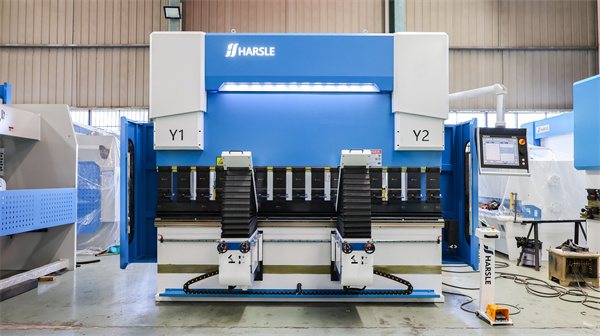
The Role of Automation in CNC Press Brakes
Automation in CNC press brakes refers to the use of advanced software, sensors, and robotic assistance to streamline the bending process. Automation can manage various aspects of the press brake’s operation, such as tool changes, material handling, and even quality checks. By minimizing human intervention, automation enhances both efficiency and consistency in production.
Key Components of CNC Press Brake Automation:
- Automated Tool Changers
Automated tool changers allow the press brake to switch between different punch and die sets without manual intervention. This is especially beneficial for manufacturers dealing with multiple types of bends or complex jobs that require different tools. Automated tool changing reduces setup time and increases machine uptime, leading to faster production cycles. - Robotic Arms for Material Handling
Robots are increasingly being integrated into CNC press brake systems to handle material loading and unloading. This minimizes manual labor, reduces the risk of workplace injuries, and allows for continuous production, even during long shifts. Robotic arms also ensure precise placement of workpieces, contributing to higher accuracy. - Sensors and Cameras for Quality Control
Advanced sensors and cameras monitor each bending operation to detect any defects or inconsistencies in real time. Automated quality checks ensure that each part meets the required specifications without the need for manual inspection, leading to fewer rejected parts and higher overall quality. - Bend Simulation Software
CNC press brake automation includes software that simulates the bending process before it starts. This helps operators visualize the end result, predict potential errors, and optimize the bending sequence for efficiency. Such simulations reduce trial-and-error and save valuable production time. - Automated Backgauge Adjustments
The backgauge determines the positioning of the metal sheet during the bending process. Automated backgauge systems can quickly reposition the sheet based on programmed specifications, improving the speed and accuracy of each bend. This automation also allows the machine to handle more complex geometries and multiple bends in a single part.

Benefits of CNC Press Brake Automation
Automating CNC press brakes offers significant advantages for manufacturers, especially those focused on large-scale production and custom jobs. Here are some key benefits:
1. Increased Production Speed
With automation, CNC press brakes can execute complex bends at a much faster rate than manual machines. Automated tool changers, material handling robots, and efficient programming reduce setup time and allow for continuous production without the need for frequent operator intervention. This not only increases throughput but also shortens lead times, enabling manufacturers to meet tight deadlines.
2. Enhanced Precision and Accuracy
CNC technology already provides exceptional precision, but automation takes it to the next level. Automated systems eliminate the risk of human error in both material handling and tool setup, ensuring that each bend is consistent and within tolerance. Sensors and real-time monitoring systems detect even the smallest deviations, correcting issues before they impact the final product.
3. Improved Flexibility
In industries like aerospace and automotive, where custom parts and small batch production are common, automation allows CNC press brakes to handle a wide variety of jobs without extensive reconfiguration. Automated tool changers and programmable backgauges enable rapid transitions between different part designs, reducing downtime between jobs and maximizing machine utilization.
4. Costi di manodopera ridotti
Automation reduces the need for manual labor in tasks like material handling, tool setup, and inspection. This not only lowers labor costs but also frees up skilled operators to focus on more complex tasks, such as programming and overseeing multiple machines. Robotic automation can also work continuously, increasing productivity without additional labor expenses.
5. Improved Safety
One of the key advantages of automation is the reduction of physical labor required to operate the press brake. Robotic arms handle heavy materials, eliminating the risk of injury from manual lifting. In addition, automated systems ensure safer tool changes and prevent accidents caused by human error, making the workplace safer overall.
6. Better Resource Utilization
Automated CNC press brakes optimize the use of materials by minimizing waste. Automated systems can calculate the most efficient bending sequences, reducing scrap material and ensuring that each sheet is used to its full potential. This improves cost-efficiency and reduces environmental impact.

How to Maximize Efficiency with CNC Press Brake Automation
While CNC press brake automation offers tremendous potential, manufacturers need to implement it strategically to fully maximize efficiency. Here are some tips to help you get the most out of your automated press brake system:
1. Invest in Comprehensive Training
Even though automation reduces the need for manual intervention, operators still need to understand how to program and monitor the machines. Providing comprehensive training ensures that operators can take full advantage of the machine’s capabilities and troubleshoot any issues that arise. Advanced training in CNC programming, tool setup, and maintenance is essential to keeping operations running smoothly.
2. Optimize Tooling and Setup
The right tooling plays a critical role in maximizing efficiency. Invest in high-quality tools that can handle different types of bends and materials. Consider modular tooling systems that can be quickly changed or adjusted through automation. In addition, using offline programming software allows operators to prepare setups without stopping the machine, increasing machine uptime.
3. Implement Preventive Maintenance
Automated CNC press brakes are highly reliable, but regular maintenance is still necessary to keep them running at peak performance. Implement a preventive maintenance schedule that includes inspections of hydraulic systems, sensors, and tooling. Regular software updates and calibration checks will also ensure that the machine maintains its precision over time.
4. Leverage Real-Time Data Monitoring
Many automated CNC press brakes come equipped with data monitoring systems that track machine performance in real time. By analyzing this data, manufacturers can identify inefficiencies, predict potential machine failures, and optimize production schedules. Monitoring systems also provide valuable insights into tool wear and material usage, helping reduce waste.
5. Integrate with Other Automated Systems
To further boost efficiency, consider integrating your CNC press brake with other automated systems, such as robotic material handling or a fully automated production line. This allows for seamless transitions between different stages of production, reducing bottlenecks and ensuring a smooth workflow.
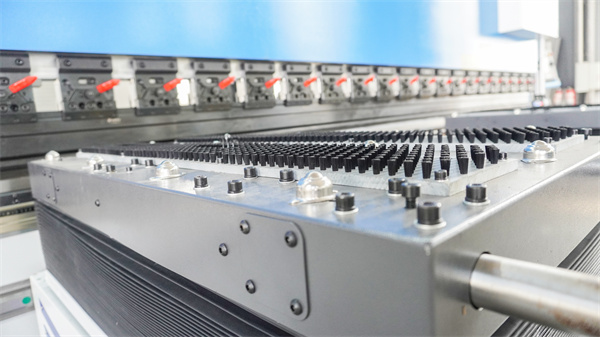
The Future of CNC Press Brake Automation
The automation of CNC press brakes is rapidly evolving, with new technologies enhancing both machine capabilities and production efficiency. Future advancements will likely focus on increased connectivity, where press brakes are integrated into smart factory networks that use IoT (Internet of Things) devices to communicate with other machines and monitor overall production in real time.
AI-driven software is also on the rise, with the potential to optimize bending sequences, tool setups, and quality control with minimal human input. As machine learning algorithms improve, CNC press brakes will become even more autonomous, capable of making decisions based on historical data and predictive analytics.
Conclusione
Maximizing efficiency with CNC press brake automation is crucial for manufacturers looking to stay competitive in today’s market. By automating tool changes, material handling, quality control, and more, CNC press brakes can significantly reduce production times, improve precision, and lower labor costs. For manufacturers aiming to take their production to the next level, embracing automation in CNC press brakes is not just an option—it’s a necessity.
Investing in the right automated systems, training, and maintenance will enable companies to fully capitalize on the benefits of automation, driving productivity and profitability for years to come.
Understanding CNC Press Brakes
Press brakes are advanced machines used for bending and shaping metal sheets into desired forms. Unlike traditional press brakes, which require manual operation, CNC press brakes utilize computer programming to automate the bending process. This automation enables precise control over the bending angle, depth, and positioning, significantly enhancing productivity and accuracy.
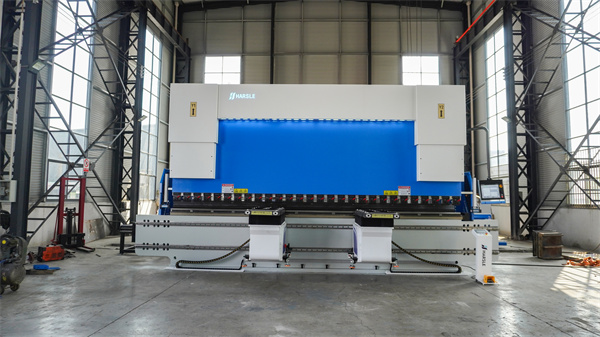
Key Components of CNC Press Brakes
- Sistema di controllo: The brain of the CNC press brake, the control system interprets the programmed instructions and coordinates the machine’s movements.
- Bending Tooling: These include punches and dies, which come in various shapes and sizes to create different bends and profiles.
- Hydraulic or Electric Mechanism: CNC press brakes can be hydraulic or electric. Hydraulic systems are known for their power, while electric systems are recognized for their energy efficiency and precision.
- Calibro posteriore: This component positions the metal sheet accurately before bending, ensuring consistency in production runs.
Advantages of CNC Press Brakes in Custom Fabrication
1. Precision and Consistency
One of the most significant advantages of CNC press brakes is their ability to provide precise and consistent bends. In custom fabrication, even minor discrepancies can lead to significant issues. CNC technology eliminates human error, ensuring that each piece meets exact specifications. This precision is particularly crucial in industries such as aerospace, automotive, and structural engineering, where tolerances can be extremely tight.
2. Flexibility in Design
CNC press brakes allow for complex geometries and custom shapes that would be challenging to achieve with manual methods. Fabricators can easily modify designs and quickly adapt to changing customer requirements. This flexibility is essential in custom fabrication, where each project may have unique specifications.
3. Aumento della produttività
Automation significantly increases productivity in custom fabrication. CNC press brakes can perform multiple bends in a single cycle, reducing the time required to complete a project. This efficiency allows fabricators to take on more projects and meet tight deadlines without sacrificing quality.
4. Costi di manodopera ridotti
While the initial investment in CNC technology can be substantial, the reduction in labor costs can offset this expense over time. Fewer operators are needed to run CNC machines compared to manual press brakes, allowing companies to allocate their workforce more effectively.
5. Enhanced Safety Features
Modern CNC press brakes come equipped with safety features such as light curtains and emergency stop buttons. These enhancements protect operators and minimize the risk of accidents, making the workplace safer.
Applications of CNC Press Brakes in Custom Fabrication
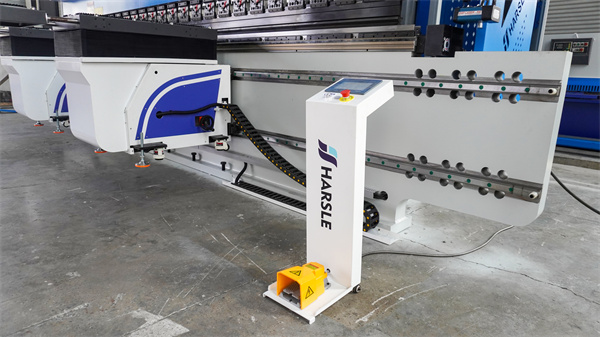
CNC press brakes serve a wide range of applications in custom fabrication across various industries. Here are some notable examples:
1. Industria aerospaziale
In the aerospace sector, precision is paramount. CNC press brakes are used to fabricate components such as brackets, supports, and frames that require exacting standards. The ability to create complex shapes with tight tolerances makes CNC press brakes indispensable in this field.
2. Automotive Manufacturing
The automotive industry relies heavily on custom fabrication for parts like chassis components, body panels, and interior fittings. Press brakes enable manufacturers to produce these parts efficiently and accurately, ensuring they meet safety and performance standards.
3. Architectural Fabrication
Custom fabrication in architecture often involves creating unique metal structures, railings, and decorative elements. CNC press brakes can bend metal sheets into intricate designs, allowing architects and designers to bring their visions to life.
4. Industrial Equipment
Manufacturers of industrial equipment often require custom components tailored to specific applications. Press brakes facilitate the production of brackets, covers, and housings with precision, enhancing the overall functionality of the equipment.
5. Sheet Metal Fabrication
In general sheet metal fabrication, CNC press brakes are used to create a variety of products, from HVAC ducts to enclosures. The versatility of CNC press brakes allows fabricators to handle diverse projects with ease.
The Custom Fabrication Process Using CNC Press Brakes
The custom fabrication process using CNC press brakes typically involves several key steps:
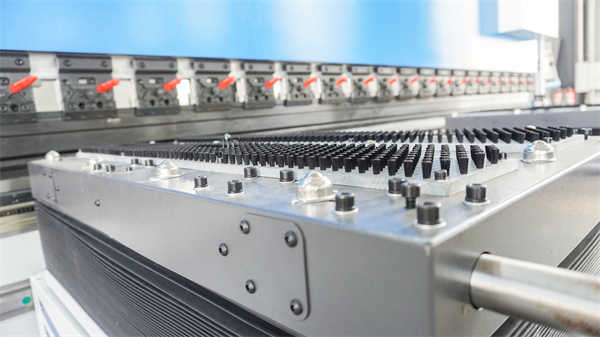
1. Design and Engineering
The first step in the custom fabrication process is designing the part. Engineers use CAD (Computer-Aided Design) software to create detailed drawings and specifications. This design is crucial for programming press brake.
2. Programming the Pressa piegatrice CNC
Once the design is finalized, the next step is to program the CNC press brake. Operators input the specifications into the machine’s control system, including the bending sequence, angles, and tooling requirements. Advanced software can simulate the bending process, allowing for adjustments before actual production.
3. Material Preparation
The metal sheets are prepared for bending. This step may involve cutting the sheets to size and ensuring they are free from defects. Proper preparation is essential to achieve the desired results.
4. Bending Process
With everything set up, the metal sheet is placed in the press brake. The machine executes the programmed bending sequence, creating the desired shape. Operators monitor the process to ensure everything runs smoothly.
5. Quality Control
After bending, the finished parts undergo quality control checks to ensure they meet the specified tolerances. This step is critical in custom fabrication, where precision is non-negotiable.
6. Finishing Touches
Finally, any additional finishing processes, such as welding or surface treatment, are performed to complete the fabrication process.
Challenges in Custom Fabrication with CNC Press Brakes

While CNC press brakes offer numerous advantages, they are not without challenges. Understanding these challenges can help fabricators optimize their processes:
1. Initial Investment Costs
The cost of acquiring a press brake can be significant. Smaller businesses may struggle to justify this expense, particularly if they are just starting. However, the long-term benefits often outweigh the initial investment.
2. Skill Requirements
While CNC machines reduce the need for manual labor, they require skilled operators to program and maintain them. Finding qualified personnel can be a challenge, particularly in regions with a shortage of skilled workers.
3. Maintenance and Downtime
Like any machinery, CNC press brakes require regular maintenance to operate efficiently. Unexpected downtime due to mechanical issues can disrupt production schedules and lead to delays in fulfilling customer orders.
4. Material Limitations
Certain materials may present challenges when it comes to bending. Fabricators must understand the properties of the materials they work with to avoid issues such as cracking or warping during the bending process.
The Future of CNC Press Brakes in Custom Fabrication
As technology continues to evolve, so too will CNC press brakes. Several trends are shaping the future of these machines in custom fabrication:
1. Integration with Industry 4.0
The rise of Industry 4.0 is leading to greater connectivity and automation in manufacturing. CNC press brakes will increasingly integrate with other machines and systems, allowing for seamless data exchange and improved production workflows.
2. Advanced Materials and Techniques
The development of new materials and bending techniques will expand the capabilities of CNC press brakes. Fabricators will be able to work with a broader range of materials, including composites and advanced alloys.
3. Improved User Interfaces
Future CNC press brakes are likely to feature more intuitive user interfaces, making it easier for operators to program and control the machines. This will reduce the learning curve and improve overall efficiency.
4. Sustainability Initiatives
As sustainability becomes a priority in manufacturing, press brakes will be designed with energy efficiency in mind. Innovations that reduce power consumption and waste will be key to meeting environmental goals.
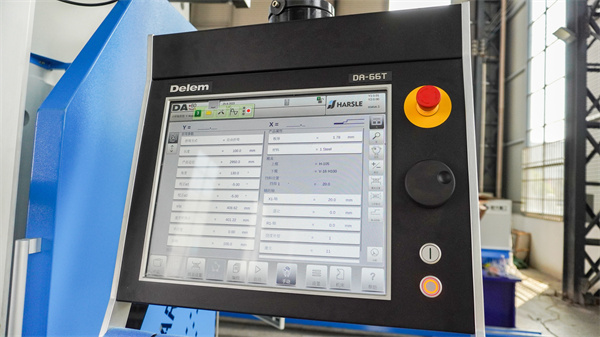
Conclusione
CNC press brakes play a crucial role in custom fabrication, providing precision, flexibility, and efficiency that traditional methods cannot match. As industries continue to demand customized solutions, the importance of CNC press brakes will only grow. By understanding their capabilities and potential challenges, fabricators can leverage this technology to enhance their operations and meet the evolving needs of their customers. The future of custom fabrication is bright, and press brakes will undoubtedly be at the forefront of this transformation.
1. Understanding Hydraulic Press Automation
Presse idrauliche have long been a staple in industries that require heavy-duty material processing, from metal forming to plastic molding. Traditional presses rely on manual or semi-automated controls, which can limit efficiency and introduce variability. However, automation takes these machines to the next level by integrating cutting-edge technology to handle repetitive tasks, optimize processes, and improve output accuracy.
Modern hydraulic press automation refers to the use of programmable systems, sensors, and robotics to control the operation of the press. Automated presses can be tailored to perform specific tasks with greater speed and consistency, making them ideal for high-volume production environments.

2. Benefits of Hydraulic Press Automation
Integrating automation into hydraulic presses offers numerous advantages that translate to improved operational efficiency:
a. Increased Production Speed
Automated hydraulic presses can operate faster than manually controlled machines, drastically reducing cycle times. Automation eliminates the need for human intervention in repetitive processes, allowing the machine to continuously operate at its maximum capacity.
b. Improved Accuracy and Precision
Automation reduces human error, resulting in more consistent and precise outputs. With programmable logic controllers (PLCs) and computer numerical control (CNC) systems, the press can be finely tuned to perform the same task with exact precision every time, which is critical in industries like aerospace, automotive, and electronics.
c. Enhanced Safety
Safety is a top priority in any manufacturing environment, and hydraulic press automation reduces the risk of injury by removing operators from hazardous areas. Automated presses are equipped with sensors, safety guards, and emergency stop functions that ensure safe operation and prevent accidents.
d. Lower Operational Costs
Although the initial investment in automation may be significant, it ultimately leads to reduced labor costs, fewer material wastages, and minimized downtime. Automated presses require less human intervention, which allows workers to focus on higher-value tasks, thus improving overall operational efficiency.
e. Better Data Collection and Monitoring
Automated systems allow for real-time data collection and monitoring of press operations. Sensors and software provide insights into performance metrics like cycle time, tonnage, and machine wear, enabling proactive maintenance and reducing the risk of unplanned downtime.

3. Key Components of Hydraulic Press Automation
To fully understand how automation maximizes efficiency in hydraulic presses, it’s important to break down the key components that make it possible.
a. Programmable Logic Controllers (PLCs)
PLCs are the brains behind hydraulic press automation. These digital computers control and monitor the machine’s operations by receiving input from sensors and executing pre-programmed instructions. PLCs can be programmed to manage various press functions, such as adjusting pressure, regulating cycle time, and ensuring safety protocols.
b. Human-Machine Interface (HMI)
An HMI is the visual interface through which operators can interact with the hydraulic press. Modern HMIs provide intuitive touchscreens where operators can monitor the machine’s status, configure settings, and access real-time data. The HMI simplifies machine control and enhances operator convenience.
c. CNC Systems
Computer Numerical Control (CNC) technology is often integrated with hydraulic presses to provide precise control over the machine’s movements and operations. CNC systems ensure that tasks like metal bending or stamping are performed with high accuracy, reducing waste and ensuring consistent results.
d. Sensors and Actuators
Sensors play a crucial role in monitoring machine performance, detecting anomalies, and ensuring the safety of the press. Common sensors include pressure transducers, proximity sensors, and limit switches. Actuators are responsible for converting electrical signals into mechanical movements, ensuring that the press operates smoothly and precisely.
e. Robotics and Material Handling Systems
Robotics can be integrated into hydraulic press automation to handle tasks such as loading and unloading materials. Automated material handling systems reduce manual labor, speeding up the production process and minimizing the risk of injury. Robots are particularly useful in high-volume production environments where consistency and speed are critical.
f. Safety Systems
Automated hydraulic presses come with advanced safety systems, including light curtains, safety mats, and emergency stop buttons. These systems prevent the press from operating when an operator is in a dangerous position and can halt the machine instantly in case of an emergency.

4. Steps to Maximizing Efficiency with Hydraulic Press Automation
To fully benefit from hydraulic press automation, manufacturers should implement the following strategies to optimize efficiency:
a. Evaluate Your Production Needs
The first step in maximizing efficiency is understanding your production requirements. Analyze your current operations to identify bottlenecks, inefficiencies, and opportunities for improvement. Consider factors such as production volume, material type, and cycle time when determining the level of automation required.
b. Choose the Right Automation Technology
Not all hydraulic presses are created equal, and the level of automation needed will vary depending on your specific application. For instance, a CNC press brake may be ideal for precision bending tasks, while a fully automated stamping press may be better suited for high-speed production. Work with your machine provider to select the right automation solution for your needs.
c. Integrate Data Monitoring and Analytics
Data collection and analysis are key to maximizing efficiency. Equip your automated press with sensors and software that can provide real-time data on performance metrics such as cycle time, pressure, and wear. Use this data to identify trends, optimize machine settings, and schedule preventive maintenance.
d. Train Operators on Automation Systems
Even though automated presses require less human intervention, operators still need to understand how to interact with the machine’s systems. Ensure that your team is properly trained on how to use the HMI, monitor the PLC, and troubleshoot common issues. Well-trained operators can quickly identify and resolve potential problems before they lead to costly downtime.
e. Prioritize Preventive Maintenance
Automation doesn’t eliminate the need for regular machine maintenance. In fact, with the increased speed and precision of automated presses, maintenance becomes even more critical. Implement a preventive maintenance schedule based on the data collected from sensors and analytics to reduce wear and tear on components and extend the lifespan of the press.
f. Focus on Safety
While automation improves safety by reducing human interaction with the press, it’s still essential to prioritize safety protocols. Regularly inspect and test safety systems, ensure that emergency stop functions are in place, and conduct periodic safety training for operators.

5. Common Challenges and Solutions in Hydraulic Press Automation
While hydraulic press automation brings numerous benefits, it also comes with its challenges. Understanding these challenges and knowing how to address them can further enhance efficiency.
a. High Initial Investment
Automating a hydraulic press can involve significant upfront costs, including the purchase of new equipment, software, and integration services. However, the long-term benefits of increased productivity, reduced labor costs, and improved output quality often outweigh the initial investment.
b. Integration with Existing Systems
For manufacturers with legacy equipment, integrating new automation technology with existing hydraulic presses can be challenging. Working with a knowledgeable automation provider can help ensure a smooth transition, and in some cases, retrofitting older machines with modern automation systems is a viable option.
c. Downtime During Implementation
Implementing automation may require temporary downtime as the new system is installed, programmed, and tested. Proper planning, training, and testing can minimize this downtime and ensure a smooth rollout.

6. The Future of Hydraulic Press Automation
As industries continue to embrace Industry 4.0, the future of hydraulic press automation looks promising. Innovations such as IoT integration, AI-driven predictive maintenance, and energy-efficient designs are poised to further enhance the performance of automated hydraulic presses. By adopting these technologies, manufacturers can stay ahead of the competition and continue to push the boundaries of efficiency.
Conclusione
Hydraulic press automation represents a significant leap forward for manufacturers seeking to maximize efficiency, improve output quality, and enhance safety. By integrating PLCs, CNC systems, sensors, and robotics into hydraulic presses, businesses can streamline their production processes and achieve higher levels of consistency and precision. Although there are challenges in implementing automation, the long-term benefits are clear. With proper planning, training, and maintenance, manufacturers can unlock the full potential of modern hydraulic press automation and position themselves for success in an increasingly competitive market.
In this article, we will explore the 10 most common hydraulic press errors and provide actionable tips on how to prevent them.
1. Incorrect Pressure Settings
The Issue:
One of the most frequent errors when using a pressa idraulica is setting the incorrect pressure. Every application requires a specific amount of pressure to form, cut, or shape the material properly. Setting the pressure too high can damage both the machine and the workpiece, while too low a setting might result in incomplete or poor-quality results.
How to Avoid:
- Understand Material Requirements: Different materials require different levels of force. Familiarize yourself with the specifications of the material being used and adjust pressure settings accordingly.
- Use Proper Tools: Ensure that your hydraulic press has an accurate pressure gauge or digital readout that allows you to monitor and set the appropriate pressure.
- Perform Regular Calibration: Calibrate your press periodically to ensure that the pressure settings are accurate and reliable.
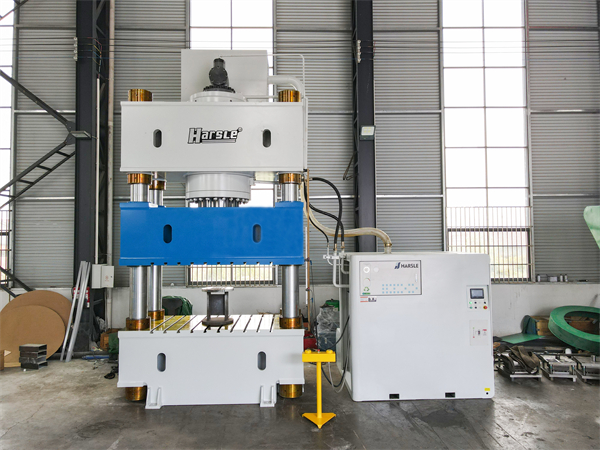
2. Insufficient Lubrication
The Issue:
Hydraulic presses rely on various moving parts to operate smoothly. Without proper lubrication, friction increases, leading to wear and tear, overheating, and eventual machine breakdowns. Lack of lubrication also accelerates the deterioration of seals and bearings.
How to Avoid:
- Follow the Manufacturer’s Guidelines: Always use the recommended lubricants as specified in the machine manual. Using improper lubricants can harm the machine components.
- Establish a Lubrication Schedule: Regularly check and apply lubricant to key moving parts such as the cylinder, ram, and guide rails.
- Monitor Lubricant Quality: Over time, lubricants can degrade and become contaminated with debris. Make it a point to check the condition of the lubricant and replace it as needed.
3. Improper Alignment of the Workpiece
The Issue:
Incorrect positioning or alignment of the workpiece is a common issue that can lead to uneven pressure distribution, inaccurate forming, or damage to the material. Misalignment increases the risk of breaking tools and causing machine failures.
How to Avoid:
- Use Positioning Tools: Employ fixtures, jigs, or positioning aids to ensure the workpiece is properly aligned before each operation.
- Double-Check Alignment: Make it a habit to visually inspect the workpiece alignment before activating the press.
- Train Operators: Train personnel on the importance of workpiece alignment and how to check for misalignment.

4. Overloading the Press
The Issue:
Exceeding the rated capacity or tonnage of a hydraulic press is a serious mistake that can result in significant damage to the press structure, cylinder, and hydraulic system. Overloading also poses a safety risk to operators.
How to Avoid:
- Know Your Machine’s Limits: Always be aware of the tonnage limits of your hydraulic press and avoid using it for tasks that require more force than it can safely deliver.
- Use Appropriate Presses for the Job: If a task consistently requires higher tonnage, consider using a different press that is designed for higher capacities.
- Install Load Monitors: Some hydraulic presses come with load sensors or overload protection systems. Use these features to prevent accidental overloading.
5. Hydraulic Fluid Contamination
The Issue:
Contaminated hydraulic fluid is one of the most common causes of hydraulic system failures. Dust, dirt, water, or metal particles can enter the hydraulic fluid, causing damage to internal components like pumps, valves, and seals.
How to Avoid:
- Use High-Quality Fluids: Always use the recommended hydraulic fluid grade and ensure it is from a trusted source.
- Regular Fluid Inspections: Check the hydraulic fluid for signs of contamination, such as cloudiness or particles. Change the fluid at regular intervals to keep it clean.
- Install Filters: Make sure the hydraulic system has efficient filters to trap contaminants before they reach critical components. Replace filters regularly as part of your maintenance routine.

6. Seal Wear and Failure
The Issue:
Seals in hydraulic systems are crucial for maintaining pressure and preventing fluid leaks. Over time, seals can wear out due to friction, heat, or chemical exposure. Seal failure leads to pressure loss, leaks, and inefficient press operation.
How to Avoid:
- Regular Seal Inspection: Inspect seals for signs of wear, cracking, or hardening. Replace them immediately if they show any deterioration.
- Use Compatible Seals: Ensure that the seals you use are compatible with the hydraulic fluid and operating temperature of the press.
- Prevent Overheating: Excessive heat accelerates seal degradation, so avoid running the press at extreme temperatures for prolonged periods.
7. Incorrect Tooling Setup
The Issue:
Setting up the wrong tooling for the job can lead to inaccurate results, material damage, and even press breakdowns. Incorrect die, punch, or fixture setup can strain the press beyond its intended capabilities.
How to Avoid:
- Match Tooling to the Task: Make sure the tooling used is appropriate for the material and the operation. Different tasks, such as bending or punching, require specific tooling configurations.
- Follow Manufacturer’s Instructions: Use the tooling recommended by the press manufacturer, and follow their setup instructions for optimal performance.
- Train Operators on Tooling: Proper training on tooling setup and changeover procedures can reduce setup errors and improve press performance.

8. Overheating the Hydraulic System
The Issue:
Hydraulic systems generate heat during operation, and without adequate cooling or ventilation, the system can overheat. Overheating leads to fluid degradation, increased wear on components, and ultimately machine failure.
How to Avoid:
- Monitor Operating Temperature: Use temperature sensors to monitor the hydraulic fluid temperature. If the press regularly overheats, consider installing a cooling system.
- Proper Ventilation: Ensure the press is in a well-ventilated area to allow heat to dissipate naturally. Avoid operating the press in overly hot environments.
- Regular Maintenance of Cooling Systems: If your hydraulic press has a built-in cooling system, regularly check and maintain it to ensure optimal performance.
9. Neglecting Preventative Maintenance
The Issue:
Skipping routine maintenance can lead to accumulated wear, undetected faults, and sudden machine breakdowns. This oversight often results in expensive repairs and extended downtime.
How to Avoid:
- Implement a Maintenance Schedule: Develop and follow a regular maintenance schedule that includes checking hydraulic fluid levels, inspecting seals, testing pressure settings, and cleaning the machine.
- Use Checklists: Keep a detailed checklist of maintenance tasks to ensure that nothing is overlooked during inspections.
- Document Issues: Record any recurring issues or necessary repairs to identify patterns and address underlying causes before they escalate.

10. Ignoring Operator Training
The Issue:
Untrained or under-trained operators are more likely to make critical errors that can lead to accidents, machine damage, and inefficient operation. Lack of training increases the risk of incorrect pressure settings, poor alignment, and mishandling of the equipment.
How to Avoid:
- Comprehensive Operator Training: Provide thorough training for all operators on machine functionality, safety protocols, and common troubleshooting procedures.
- Ongoing Skill Development: Offer refresher courses and additional training as needed, especially when new technologies or features are introduced to the press.
- Supervised Operation: For new operators, supervised operation is crucial until they become proficient in handling the hydraulic press independently.
Conclusione
Hydraulic presses are powerful tools that play a vital role in various industries, but they require proper handling and maintenance to function at their best. By being mindful of common errors such as incorrect pressure settings, improper alignment, and lack of lubrication, operators can prevent equipment failures and ensure safe, efficient operation. Implementing preventative maintenance, investing in operator training, and using high-quality hydraulic fluids are essential steps in prolonging the lifespan of your hydraulic press and avoiding costly repairs or downtime.
By addressing these 10 common errors, you can significantly improve the performance, safety, and longevity of your hydraulic press, ultimately benefiting your production line and your bottom line.

1. Assessing the Need for an Upgrade
Before diving into the specifics of upgrading, it’s crucial to assess whether your hydraulic press needs an upgrade or if it’s time for a complete replacement. Start by asking these questions:
- Is the machine meeting current production demands?
- Are you experiencing frequent breakdowns or malfunctions?
- Is the machine operating inefficiently, with excessive energy consumption or longer cycle times?
- Are you facing challenges in precision or consistency?
If you’re dealing with any of these issues, a well-planned upgrade could be the solution.
2. Benefits of Upgrading a Hydraulic Press
Upgrading a hydraulic press brings several advantages to the manufacturing process:
- Increased productivity: Upgraded components can reduce cycle times, increase throughput, and minimize downtime.
- Improved accuracy: New control systems, sensors, and actuators can enhance the precision of each operation, leading to more consistent product quality.
- Reduced maintenance costs: Modern components are more reliable and energy-efficient, reducing the need for constant repairs and lowering overall maintenance costs.
- Extended machine life: Strategic upgrades can extend the lifespan of the press by several years, delaying the need for a full replacement.
Now, let’s explore the specific areas of a hydraulic press that can be upgraded.

3. Key Areas for Pressa idraulica Upgrades
A. Control Systems Upgrade
One of the most impactful upgrades you can make to a hydraulic press is upgrading the control system. Many older machines rely on outdated, manual controls, which can limit both accuracy and flexibility. Here’s how a control system upgrade can improve productivity:
1. CNC Controls
Adding Computer Numerical Control (CNC) to your hydraulic press can drastically improve precision and automation. CNC allows for the programming of complex, repeatable movements, ensuring consistency in production. With a CNC-controlled press, you can:
- Automate routine tasks to reduce human error.
- Store and recall multiple job programs, reducing setup times.
- Enable multi-axis control, expanding the machine’s capability to handle more complex tasks.
2. Programmable Logic Controllers (PLC)
If CNC is not necessary for your operations, upgrading to a PLC system is another effective option. A PLC offers improved automation, monitoring, and diagnostics compared to manual systems. It can:
- Optimize the machine’s cycle time by precisely controlling the press stroke and pressure.
- Monitor performance in real-time, identifying issues before they lead to downtime.
- Simplify integration with other manufacturing systems for streamlined operations.

B. Hydraulic System Enhancements
The hydraulic system is the core of any pressa idraulica. Upgrading hydraulic components can significantly increase both performance and energy efficiency.
1. Hydraulic Pump Upgrade
Older presses often use inefficient pumps that consume more energy than necessary. Consider upgrading to a modern pump, such as a variable displacement pump or a servo-driven pump:
- Variable displacement pumps automatically adjust the flow rate based on the press’s demand, reducing energy consumption during idle periods.
- Servo-driven pumps offer precise control over the press’s movements, resulting in smoother operations and reduced cycle times.
2. Hydraulic Fluid Monitoring and Filtration
Ensuring that your press operates with clean, high-quality hydraulic fluid is essential for maintaining system performance. An upgrade to an advanced filtration system can:
- Extend the lifespan of hydraulic components by removing contaminants.
- Improve the machine’s reliability by reducing the chances of hydraulic failure.
- Lower maintenance costs by reducing the frequency of fluid changes.
Additionally, installing fluid monitoring systems can help you track fluid condition in real-time, allowing for proactive maintenance.
C. Upgrading the Cylinder and Actuators
The performance of the press’s cylinder and actuators directly impacts the speed, force, and accuracy of each operation. Over time, these components can wear out, leading to inefficiencies. Consider the following upgrades:
- High-precision actuators: These provide better control over the press’s movement, ensuring consistent force application and reducing the risk of material deformation.
- Servomechanisms: If your press handles complex tasks or requires extreme precision, upgrading to servo-driven actuators allows for more accurate positioning and smoother operation.
- Cylinder rebuild or replacement: Replacing an old or worn-out cylinder with a modern, higher-capacity model can improve the machine’s force capacity, allowing it to handle more demanding jobs.
D. Sensors and Monitoring Systems
Adding sensors and monitoring systems to your hydraulic press can provide real-time data on performance, improving productivity and reducing downtime.
1. Force and Position Sensors
Upgrading your press with force and position sensors allows you to track critical parameters during each cycle. These sensors ensure that the press operates within the correct specifications, preventing defective parts and reducing scrap rates.
2. Pressure and Temperature Monitoring
Pressure and temperature sensors can monitor the hydraulic system’s performance, providing early warnings of potential problems such as leaks or overheating. This proactive approach helps avoid costly breakdowns and ensures smoother operation.
3. Condition Monitoring Systems
Advanced condition monitoring systems continuously track the health of the press and its components. They can alert operators to issues like excessive vibration or wear, allowing for preventive maintenance before a failure occurs. This reduces unplanned downtime and extends the life of critical components.
E. Energy Efficiency Upgrades
Energy consumption is a significant concern in hydraulic press operations, particularly in large manufacturing facilities. Upgrading your press with energy-efficient components can not only reduce costs but also improve productivity.
1. Variable Frequency Drives (VFDs)
Installing VFDs allows for better control over the press’s motor speed. By adjusting the motor speed to match the press’s workload, you can:
- Reduce energy consumption during low-load operations.
- Extend the motor’s lifespan by preventing overuse.
- Improve overall system efficiency.
2. Smart Power Management Systems
A smart power management system can optimize energy usage by automatically shutting down idle components or adjusting power consumption based on demand. This upgrade reduces both energy costs and the press’s carbon footprint.

4. Retrofitting Your Hydraulic Press with Automation
For many manufacturers, one of the most effective ways to improve productivity is by integrating automation into the hydraulic press system. Automation can range from simple material handling upgrades to full robotic integration.
1. Automated Material Handling Systems
Upgrading your press with automated material feeding and extraction systems can drastically reduce manual labor and increase throughput. These systems can be programmed to handle materials of varying sizes and shapes, ensuring smooth and efficient operation.
2. Robotic Integration
For more advanced automation, integrating robots with your hydraulic press allows for seamless handling of complex tasks. Robots can:
- Load and unload materials with precision.
- Perform tasks such as part inspection or assembly, directly at the press station.
- Operate in conjunction with the press to perform simultaneous operations, increasing overall productivity.
5. Software Upgrades for Improved Data Management
In the era of Industry 4.0, data plays a vital role in optimizing productivity. By upgrading your hydraulic press’s software and integrating it with advanced data management systems, you can:
- Monitor and analyze machine performance in real-time.
- Generate reports on key metrics such as cycle times, force application, and energy consumption.
- Use predictive analytics to forecast maintenance needs and prevent unplanned downtime.
- Enable remote access and diagnostics, allowing technicians to troubleshoot issues without being physically present at the machine.
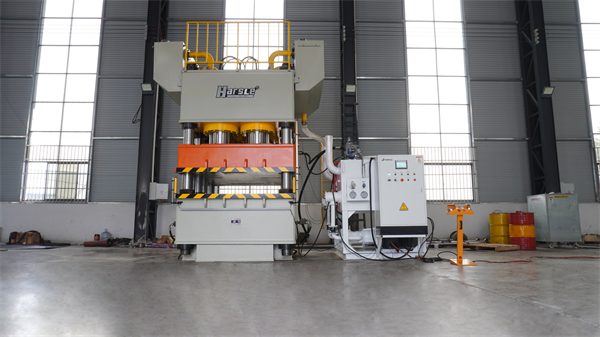
6. Conclusion: A Smart Investment for Long-Term Productivity
Upgrading your hydraulic press is a smart investment that can yield substantial benefits in productivity, efficiency, and machine longevity. Whether you choose to enhance the control system, improve hydraulic components, or integrate automation, each upgrade contributes to smoother, more efficient operations. By carefully planning and prioritizing these upgrades, you can extend the life of your press, reduce operational costs, and meet the growing demands of modern manufacturing.
In a competitive market, maximizing the potential of your existing equipment is a cost-effective way to stay ahead. By upgrading your hydraulic press for improved productivity, you not only enhance your current capabilities but also future-proof your operations for continued success.
]]>
The Automotive Industry: Driving Efficiency and Precision
The automotive industry is one of the most significant adopters of CNC press brakes. With the constant demand for high-quality, precision-engineered components, automotive manufacturers require equipment that can consistently produce parts to exact specifications. CNC press brakes have proven to be the perfect solution.
Streamlining Production
In automotive manufacturing, the need for speed and accuracy is paramount. CNC press brakes enable manufacturers to produce a wide range of components, such as chassis parts, brackets, and panels, with minimal setup time. The automated nature of these machines allows for rapid production cycles, reducing the time needed to switch between different part designs. This flexibility is crucial in an industry where production lines must adapt quickly to changes in demand and model variations.
Improving Product Quality
CNC press brakes offer exceptional precision, ensuring that each part meets the stringent quality standards required in the automotive industry. The ability to program exact bending angles and repeat them consistently across large production runs reduces the risk of errors and defects. This precision is especially important in the production of safety-critical components, where even minor deviations can have serious consequences.
Case Study: A Leading Automotive Manufacturer
One notable example of successful CNC press brake implementation is seen in a leading automotive manufacturer that transitioned from manual to CNC-controlled bending operations. By integrating CNC press brakes into their production process, the company reduced material waste by 20% and increased production efficiency by 30%. The improved accuracy and consistency of the bent components also led to a significant reduction in quality control issues, resulting in cost savings and enhanced product reliability.
The Aerospace Industry: Achieving Excellence in Complexity
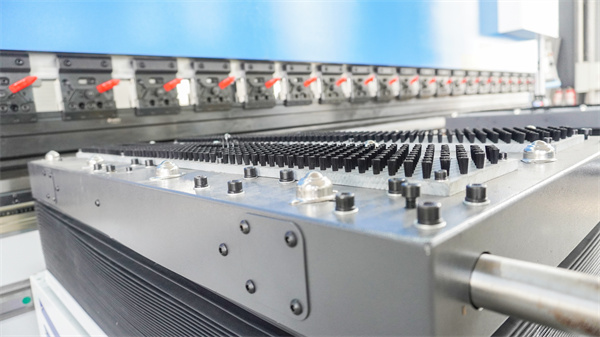
The aerospace industry demands an extraordinary level of precision and reliability, given the critical nature of the components involved. CNC press brakes have become essential in this sector, where complex geometries and high-strength materials are commonly used.
Handling Complex Geometries
Aerospace components often feature intricate shapes and tight tolerances that require precise bending operations. CNC press brakes excel in this regard, offering the ability to program complex bending sequences and achieve the desired results with high accuracy. This capability is particularly important in the production of components like wing structures, engine mounts, and fuselage panels.
Working with High-Strength Materials
The aerospace industry frequently uses materials such as titanium and high-grade aluminum, which are known for their strength and lightweight properties. These materials can be challenging to work with, especially when it comes to bending. CNC press brakes, equipped with advanced tooling and control systems, can handle these materials effectively, ensuring that the components maintain their structural integrity throughout the bending process.
Case Study: A Major Aerospace Supplier
A major aerospace supplier successfully implemented CNC press brakes to enhance its production capabilities. The company faced challenges in bending titanium components with tight tolerances. By adopting CNC technology, they were able to achieve the necessary precision and reduce material wastage by 15%. The implementation also improved production lead times, allowing the company to meet tight delivery schedules for their aerospace clients.
The Electrical and Electronics Industry: Precision in Miniaturization
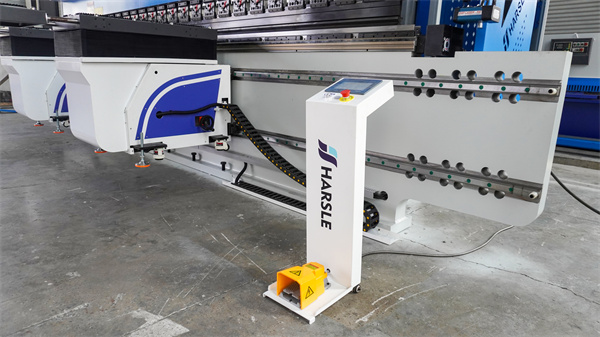
The electrical and electronics industry is another sector where CNC press brakes have found widespread application. As devices become smaller and more complex, the need for precision in the manufacturing of components like enclosures, brackets, and connectors has increased.
Precision in Small-Scale Bending
CNC press brakes are well-suited for producing small, intricate components required in the electronics industry. The machines’ ability to execute fine bends with minimal material deformation is crucial for maintaining the integrity of delicate parts. This precision is particularly important when manufacturing enclosures and connectors that must fit perfectly to ensure proper functioning and safety.
Reducing Production Costs
In the highly competitive electronics market, cost efficiency is a key driver of success. CNC press brakes help reduce production costs by minimizing material waste and optimizing production cycles. The ability to automate bending processes also reduces labor costs, making it possible to produce high-quality components at a lower overall cost.
Case Study: A Leading Electronics Manufacturer
A leading electronics manufacturer successfully integrated CNC press brakes into its production line to address the challenges of producing small, complex components. The adoption of CNC technology resulted in a 25% reduction in material waste and a 20% increase in production throughput. Additionally, the improved precision of the bent components enhanced the overall quality of the final products, leading to increased customer satisfaction.
The Construction Industry: Building the Future with Precision

In the construction industry, CNC press brakes play a vital role in the fabrication of structural components, facades, and architectural elements. The ability to produce large, precise metal components is essential for modern construction projects.
Fabricating Structural Components
Structural components such as beams, columns, and support brackets require precise bending to ensure the integrity and safety of the building. CNC press brakes offer the necessary precision and repeatability to produce these components to exact specifications, reducing the risk of errors during assembly.
Customization and Flexibility
Construction projects often require customized metal components that fit specific architectural designs. CNC press brakes provide the flexibility to produce these custom parts quickly and accurately, allowing architects and engineers to realize their design visions without compromising on quality.
Case Study: A Leading Construction Firm
A leading construction firm implemented CNC press brakes to enhance its in-house fabrication capabilities. The ability to produce custom metal components on demand allowed the company to reduce reliance on external suppliers, leading to faster project completion times. The precision of the CNC press brakes also ensured that all components met the stringent safety and quality standards required in the construction industry.
The Medical Industry: Precision and Reliability in Healthcare

The medical industry demands the highest levels of precision and reliability, particularly when it comes to manufacturing medical devices and equipment. CNC press brakes have become invaluable tools in this sector, enabling the production of components that meet stringent regulatory requirements.
Manufacturing Medical Devices
Medical devices often feature intricate designs and require materials that are biocompatible and corrosion-resistant. CNC press brakes are capable of producing these components with the necessary precision and consistency. The ability to program complex bending sequences ensures that each part meets the exact specifications required for medical applications.
Ensuring Compliance with Regulatory Standards
The medical industry is heavily regulated, with strict standards governing the design and manufacture of medical devices. CNC press brakes help manufacturers comply with these standards by providing the accuracy and repeatability needed to produce parts that meet regulatory requirements. This capability is essential for ensuring the safety and effectiveness of medical devices.
Case Study: A Medical Device Manufacturer
A medical device manufacturer successfully implemented CNC press brakes to produce components for surgical instruments and implantable devices. The precision of the CNC machines allowed the company to achieve the tight tolerances required for these critical components. As a result, the company was able to reduce manufacturing defects by 30% and achieve faster regulatory approval for its products.
Conclusione
The successful implementation of CNC press brakes across various industries highlights their transformative impact on modern manufacturing. From automotive and aerospace to electronics, construction, and medical sectors, CNC press brakes have proven to be invaluable tools for achieving precision, efficiency, and flexibility in metal bending operations. As industries continue to evolve and demand higher levels of accuracy and reliability, the role of CNC press brakes will only become more prominent, driving innovation and excellence in manufacturing.
]]>