















Reducing the Cost of Downtime in Sheet Metal Fabrication


In the high-stakes environment of modern sheet metal fabrication, production efficiency is the primary metric that dictates profitability. Whether a facility operates a single fiber laser or a fully automated bending cell, the machinery is the heartbeat of the operation. However, many procurement decisions are still driven primarily by initial capital expenditure (CapEx) rather than total cost of ownership (TCO). This short-term focus often ignores the most significant silent profit-killer in manufacturing: the cost of downtime.
The cost of downtime is far more than just the absence of production; it is a cascading series of financial losses involving idle labor, missed delivery deadlines, and potential damage to customer relationships. For a professional mechanical engineer or factory owner, understanding the technical and economic implications of equipment reliability is essential. Investing in premium, reliable machinery—such as high-end press brakes and laser cutters—often proves to be the most cost-effective strategy when the true expenses of machine failure are quantified.
Understanding the Basics: What is the Cost of Downtime?
The cost of downtime refers to the total financial loss incurred when a production process is halted unexpectedly. In sheet metal fabrication, this typically occurs due to mechanical failure, software glitches, or maintenance issues with key equipment like CNC press brakes or laser cutting systems. Downtime is generally categorized into two types: planned and unplanned.
Planned downtime includes scheduled preventive maintenance, tooling changes, and software updates. While it does halt production, it is controlled and factored into the production schedule. Unplanned downtime, however, is the result of sudden component failure. This is where the cost of downtime becomes critical. Reliability is the measure of a machine’s ability to perform its required functions under stated conditions for a specified period. In technical terms, this is often expressed through metrics like Mean Time Between Failures (MTBF) and Mean Time to Repair (MTTR).
Why the Cost of Downtime Matters in Sheet Metal Fabrication
Sheet metal fabrication is uniquely sensitive to equipment reliability due to its position in the supply chain. Most fabrication shops operate on tight lead times and Just-In-Time (JIT) delivery models. If a laser cutting machine goes down, it doesn’t just stop the cutting process; it starves the downstream operations including bending, welding, powder coating, and final assembly.
Reliability in manufacturing is not an expense; it is the insurance policy that protects your delivery promises and your reputation.
Furthermore, the physical nature of sheet metal equipment—heavy hydraulic systems, precision optics, and high-speed motion controls—means that a failure often requires specialized technician intervention. If a factory relies on low-cost machinery with poor local support, a simple solenoid valve failure or a controller bug can lead to days of idleness while waiting for parts or overseas expertise. This makes the cost of downtime exponentially higher than the price of a more reliable, premium machine.
Key Factors to Consider in Equipment Reliability
When evaluating the reliability of sheet metal machinery, engineers must look beyond the specification sheet and examine the quality of the core components. Reliability is built into the machine at the design and component sourcing stage.
- Electrical and Control Systems: The stability of the PLC and CNC controller is paramount. Premium brands often use industrial-grade electronics from reputable suppliers like Siemens, Beckhoff, or Delem, which offer higher resistance to electrical noise and heat.
- Hydraulic Integrity: In press brakes, the quality of valves and pumps (e.g., Rexroth or Hoerbiger) determines the consistency of the bending force and the longevity of the seals.
- Structural Rigidity: A machine frame that is not properly heat-treated or engineered for stress will eventually lose precision, leading to rejects and eventual mechanical failure.
- Support Ecosystem: Reliability includes the availability of spare parts and the proximity of service engineers. A machine is only as reliable as the speed at which it can be returned to service.
Technical Calculation: Quantifying the Cost of Downtime
To make an informed investment decision, engineers should calculate the Hourly Downtime Cost (HDC). This allows a direct comparison between a cheaper machine with a predicted 5 percent annual downtime and a premium machine with 1 percent downtime.
The general formula for calculating the hourly cost of downtime is:
HDC = (L + R + O + C) / T
Where:
- L (Labor Cost): The wages of operators and support staff who are idle during the downtime.
- R (Lost Revenue): The value of the products that would have been produced and sold during that time.
- O (Overhead): Fixed costs like rent, utilities, and insurance that continue to accrue.
- C (Recovery Costs): Expenses related to emergency shipping, overtime to catch up, or technician fees.
- T (Total Downtime Hours): The duration of the outage.
Example: If a fiber laser cutter generates 500 dollars in revenue per hour, has an operator paid 30 dollars per hour, and overhead is 70 dollars per hour, a 10-hour failure results in a direct loss of 6,000 dollars, excluding repair parts and secondary penalties. Over five years, the difference between a high-reliability machine and a low-cost alternative can exceed the initial price difference between the two units.
Comparison: Premium vs. Budget Fabrication Equipment
The following table illustrates the typical differences between high-reliability premium machines and budget-oriented alternatives in the sheet metal industry.
| Fonctionnalité | Premium Equipment | Budget Equipment |
|---|---|---|
| Component Sourcing | Tier-1 global brands (Rexroth, IPG, Fanuc) | Generic or localized brands |
| Frame Construction | Annealed, heavy-duty welded steel | Lightweight or non-treated frames |
| Software | Integrated CAD/CAM with regular updates | Basic, often proprietary or outdated |
| MTBF (Mean Time Between Failure) | High (Typically 4,000 to 8,000 hours) | Lower (Typically 1,000 to 2,000 hours) |
| Residual Value | High (Retains 50-60 percent after 5 years) | Low (Often difficult to resell) |
Step-by-Step Guide to Evaluating Machine Reliability
Before committing to a capital purchase, follow these steps to ensure the equipment meets the reliability standards required to minimize the cost of downtime:
- Audit the Component List: Request a detailed bill of materials for critical systems (motors, drives, hydraulics, laser sources). Research the MTBF ratings of these components.
- Verify Local Support: Call the service department before you buy. Ask how many technicians are in your region and what the typical lead time is for critical spare parts.
- Check Reference Sites: Speak with other factory owners using the same model. Ask specifically about unplanned downtime and the responsiveness of the manufacturer.
- Evaluate Technical Training: Reliable operation depends on the operator. Ensure the manufacturer provides comprehensive training to prevent user-induced failures.
- Analyze the Preventive Maintenance Schedule: Review what is required to keep the machine running. A machine with excessive maintenance requirements may have a high hidden cost of downtime.
Common Mistakes to Avoid
Engineers and purchasing managers often fall into traps that lead to high downtime costs later in the machine’s lifecycle. One major mistake is over-specifying performance while under-specifying reliability. A machine that is 10 percent faster but 20 percent less reliable will always yield lower annual output.
The bitterness of poor quality remains long after the sweetness of low price is forgotten.
Another common error is ignoring the software ecosystem. Incompatible software or lack of updates can lead to system crashes that are just as detrimental as mechanical failures. Finally, many buyers fail to consider the cost of consumables. Low-quality optics or nozzles in laser cutting can cause frequent stops for cleaning and replacement, contributing significantly to the cumulative cost of downtime.
Industry Applications and Real-World Scenarios
In industries like aerospace and medical device manufacturing, where material costs are high and tolerances are tight, the cost of downtime is compounded by the risk of ruining expensive workpieces. For example, a press brake failure in the middle of a complex, multi-bend sequence on a large aerospace titanium component can result in thousands of dollars in scrapped material.
In the automotive sector, where production lines are synchronized, a failure in the sheet metal cell can halt the entire assembly line, costing tens of thousands of dollars per minute. In these scenarios, the premium paid for a machine with redundant systems and world-class reliability is easily justified within the first year of operation.
Conclusion: Reliability as a Strategic Advantage
Minimizing the cost of downtime is not merely a maintenance goal; it is a strategic business objective. While the initial price tag of premium sheet metal fabrication equipment may be higher, the reliability it provides ensures consistent production, protects margins, and secures customer trust. By calculating the true cost of downtime and evaluating machinery through the lens of mechanical engineering excellence, factory owners can make investments that drive long-term profitability and operational stability. In the competitive landscape of industrial fabrication, reliability is the ultimate premium worth paying for.
FAQ
How do I accurately calculate MTBF for a new machine?
MTBF (Mean Time Between Failure) is usually provided by the manufacturer based on historical data. To calculate it for your own facility, divide the total operating time by the number of failures over a specific period. High-quality sheet metal equipment typically targets an MTBF of several thousand hours.
Is expensive machinery always more reliable?
Not necessarily, but there is a strong correlation. The higher price usually reflects the cost of tier-1 components, more rigorous factory testing, better frame heat treatment, and a robust service network, all of which directly contribute to reliability.
What is the most common cause of unplanned downtime in press brakes?
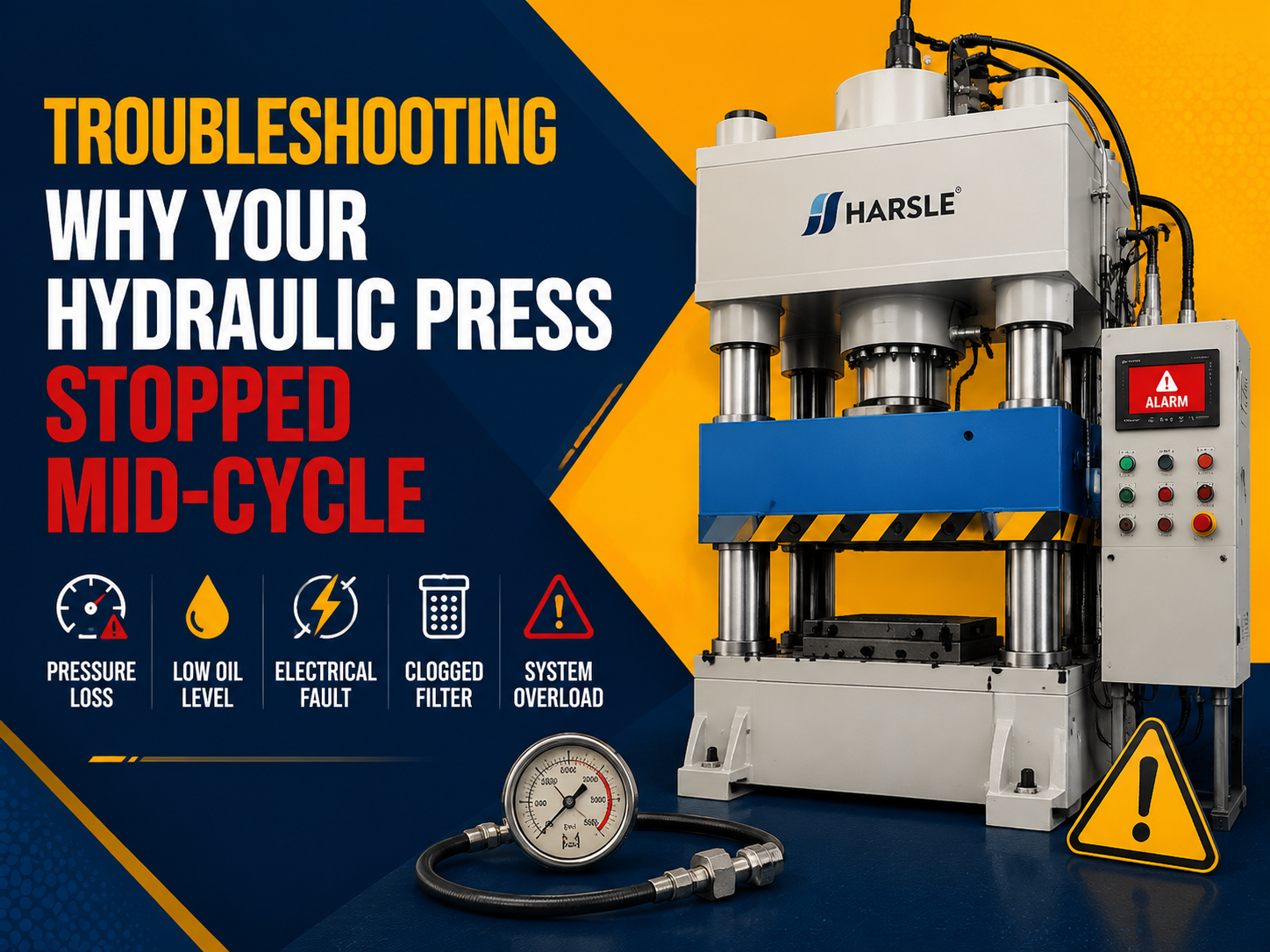
Hydraulic leaks, valve sticking, and backgauge calibration errors are common mechanical causes. However, operator error and poor maintenance of the hydraulic oil are also significant contributors to unplanned outages.
Can predictive maintenance software reduce the cost of downtime?
Yes. Modern IoT-enabled machines monitor vibration, temperature, and electrical load. By identifying trends that indicate an impending failure, parts can be replaced during planned downtime, avoiding the much higher costs of an emergency shutdown.
How does the cost of downtime affect JIT manufacturing?
In Just-In-Time (JIT) environments, there is no safety stock. Any downtime immediately results in a late delivery to the customer, which can trigger contract penalties and damage the long-term supplier relationship.