















레이저 용접기: 5가지 최고의 놀라운 응용 분야

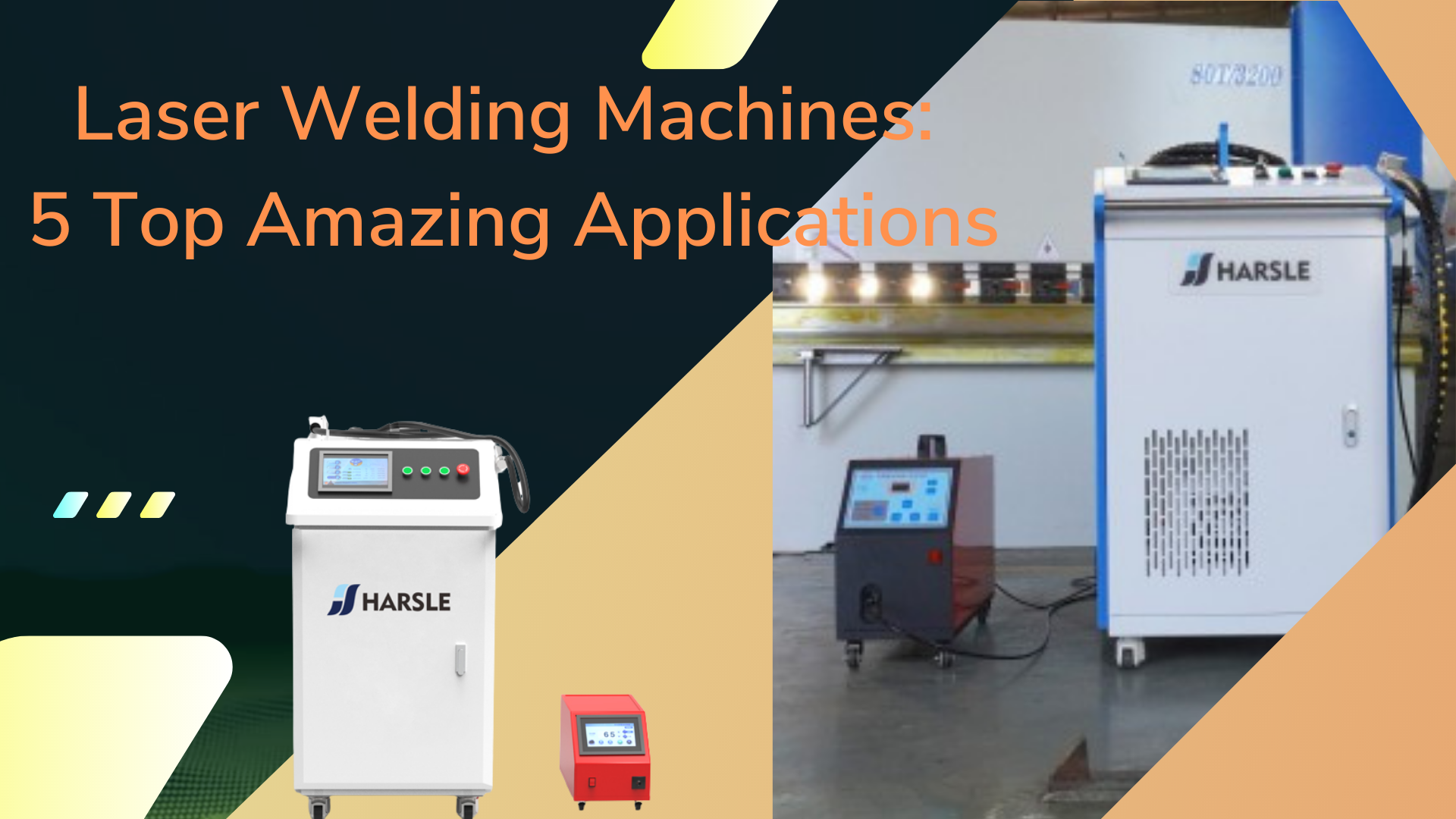
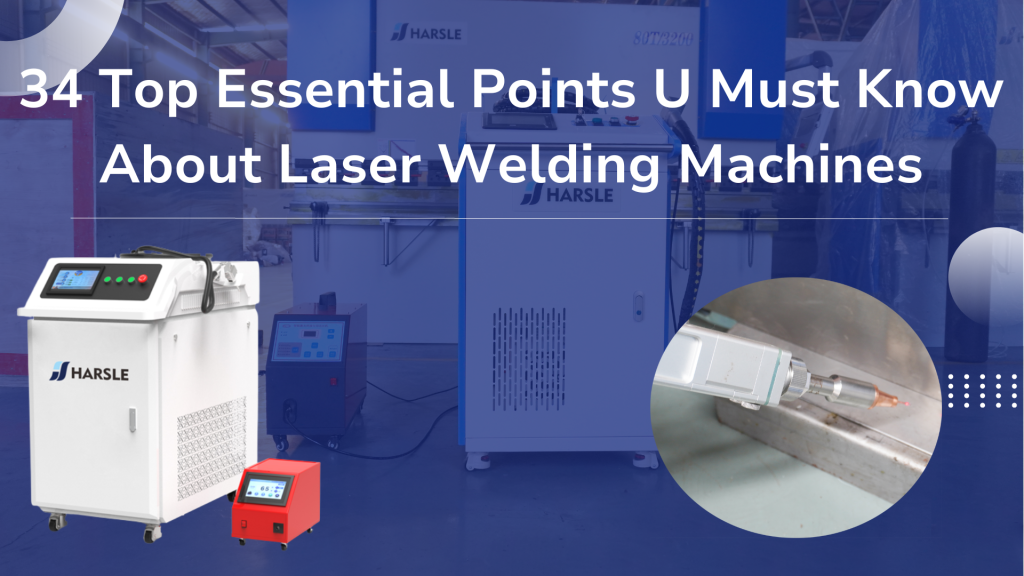
Laser welding machines have revolutionized the field of industrial welding with their precision, speed, and versatility. Utilizing the power of laser technology, these machines offer a highly efficient and accurate method of joining metal components. By focusing a concentrated beam of light onto the workpiece, laser welding machines can create solid and reliable welds in a variety of industries.
Laser welding machines operate by generating a high-energy laser beam that melts and fuses the metal surfaces together. This process offers numerous advantages over traditional welding methods, including minimal distortion, reduced heat-affected zone, and the ability to weld even the most delicate and complex geometries. The non-contact nature of laser welding eliminates the need for physical contact with the workpiece, allowing for cleaner and more precise welds.
With its ability to provide fast, accurate, and high-quality welds, laser welding technology continues to evolve and find new applications in emerging fields such as 3D printing, battery manufacturing for electric vehicles, and semiconductor industry advancements.
In conclusion, laser welding machines have transformed the landscape by offering precise, efficient, and versatile solutions for joining metal components. Their impact spans various industries, enabling the creation of intricate designs, ensuring structural integrity, and advancing technological innovations. As enterprises continue to embrace laser welding technology, the potential for its further growth and exploration in new sectors is vast.

자동차 산업
In the fast-paced and competitive automotive industry, precision, strength, and efficiency are paramount. As vehicle designs become more complex and demands for improved performance increase, manufacturers are turning to advanced technologies to meet these challenges. Among the cutting-edge solutions transforming automotive manufacturing processes is the application of laser welding machines. With their exceptional capabilities, laser welding machines are revolutionizing the automotive industry, enabling enhanced production efficiency, superior quality welds, and increased design flexibility.
Body Assembly and Fabrication: The body assembly process in automotive manufacturing requires the seamless integration of multiple components. Laser welding machines provide a fast and precise method for joining various body panels, resulting in high-strength and visually appealing welds. Whether it’s the seamless connection of door panels, roofs, or fenders, laser welding machines ensure structural integrity while minimizing distortion and reducing the need for additional post-welding operations.
Component Welding: Laser welding plays a crucial role in joining vital automotive components, such as exhaust systems, suspension parts, and engine components. The ability to weld dissimilar materials, such as aluminum to steel, opens up new avenues for lightweight and improved fuel efficiency. Laser welding machines facilitate the creation of strong, reliable, and lightweight joints, contributing to overall vehicle performance and safety.

Joining Dissimilar Materials: The automotive industry is increasingly adopting hybrid material structures for enhanced performance and efficiency. Laser welding machines enable the fusion of different materials, such as aluminum, high-strength steel, and composites, with precision and reliability. This capability allows manufacturers to create hybrid structures that optimize strength, weight reduction, and crashworthiness, contributing to safer and more fuel-efficient vehicles.
Repair and Maintenance: Laser welding machines are not only utilized in the production process but also in automotive repair and maintenance. They enable efficient and accurate repairs of damaged body panels, exhaust systems, and other critical components. Laser welding provides a non-intrusive method for repairing structural integrity without compromising the original design and strength of the vehicle.
Aerospace and Aviation Industry
The aerospace and aviation industry demands unparalleled precision, durability, and reliability in its components and structures. As aircraft designs become increasingly sophisticated, manufacturers are turning to advanced technologies to meet the stringent requirements of this industry. One such technology that has revolutionized aerospace and aviation manufacturing is the laser welding machine. With its exceptional capabilities, laser welding machines have found wide-ranging applications, enabling superior weld quality, reduced weight, and increased efficiency in the production of critical components and structures.
Engine Component Welding: Laser welding machines play a pivotal role in the production of engine components. From turbine blades and fuel nozzles to combustion chambers, these machines provide a precise and efficient method for joining intricate parts with complex geometries. Laser welding ensures the integrity of high-temperature components, enhancing engine performance and fuel efficiency while reducing emissions.
Aircraft Structural Welding: The structural integrity of an aircraft is paramount, and laser welding machines contribute significantly to achieving this goal. They facilitate the joining of structural elements such as fuselage sections, wing spars, and landing gear components. Laser welding offers high-strength and consistent welds, enabling the construction of lightweight structures without compromising safety or durability. This leads to improved fuel efficiency and enhanced overall performance of the aircraft.
Repair and Maintenance: Laser welding machines are indispensable in the repair and maintenance of aircraft structures and components. They provide a precise and non-destructive method for repairing damaged sections, minimizing downtime and costs. Whether it’s repairing cracks in fuselage panels or restoring worn-out engine components, laser welding ensures the restoration of structural integrity with minimal material distortion.
Joining Dissimilar Materials: The aerospace industry frequently employs dissimilar material combinations to optimize weight reduction and performance. Laser welding machines excel at joining dissimilar materials, such as aluminum, titanium, and composite materials. By providing a clean and reliable fusion of these materials, laser welding enhances the strength and integrity of hybrid structures, contributing to the production of lightweight and fuel-efficient aircraft.
The application of laser welding machines in the aerospace and aviation industry has revolutionized manufacturing processes and product quality. These advanced machines offer unparalleled precision, strength, and efficiency, making them indispensable in engine component welding, aircraft structural joining, and repair operations. By ensuring high-quality welds and enabling the use of dissimilar materials, laser welding machines contribute to the production of lightweight, fuel-efficient, and technologically advanced aircraft. As the aerospace industry continues to push the boundaries of innovation, laser welding technology will play an increasingly pivotal role in manufacturing aircraft that meet the industry’s rigorous standards for safety, performance, and durability.

Electronics and Microelectronics
In the realm of electronics and microelectronics, precision, reliability, and miniaturization are paramount. As the demand for smaller and more intricate electronic devices continues to grow, manufacturers are constantly seeking innovative technologies to meet these challenges. Laser welding machines have emerged as a crucial tool in this field, offering exceptional capabilities for joining tiny components, ensuring superior connectivity, and enabling the production of advanced electronic devices.
Microcomponent Welding: Laser welding machines provide a precise and efficient method for joining microcomponents in the electronics industry. These machines enable the creation of strong and reliable welds between small-scale components such as connectors, sensors, and microchips. With their non-contact nature and focused laser beams, laser welding machines offer precise control over the welding process, ensuring minimal heat-affected zones and negligible damage to delicate electronic components.
Printed Circuit Board (PCB) Assembly and Repair: Laser welding plays a crucial role in PCB assembly and repair processes. It enables the precise joining of various electronic components to the PCB, including surface mount devices (SMDs) and through-hole components. Laser welding machines ensure secure and robust connections, enhancing the reliability and performance of electronic circuits. Additionally, in PCB repair operations, laser welding provides a non-intrusive method for restoring connectivity without damaging the delicate circuitry.
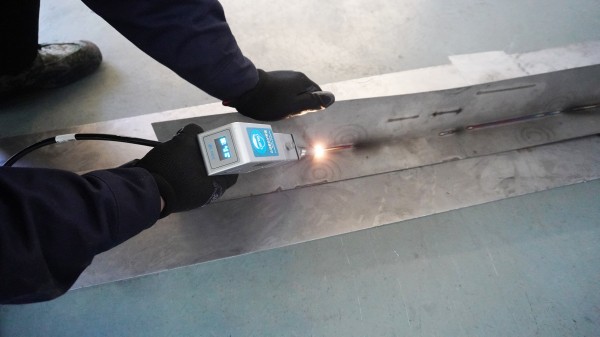
Laser Marking and Engraving: Laser welding machines also find application in laser marking and engraving operations in the electronics industry. These machines offer high-precision and permanent marking on electronic devices, allowing for identification, branding, and traceability purposes. Laser marking ensures clear and durable markings without compromising the integrity of the underlying materials, making it ideal for applications such as product labeling, serial numbers, and barcodes.
Miniaturization and High-Density Interconnections: The miniaturization trend in the electronics industry demands precise and reliable interconnections in densely packed electronic devices. Laser welding machines enable the creation of small, high-density welds, ensuring efficient electrical conductivity and minimizing the space required for interconnects. This capability is crucial in the production of advanced microelectronics, including smartphones, wearable devices, and medical implants.
Laser welding machines have become indispensable in the electronics and microelectronics industry, facilitating the production of advanced electronic devices with precision and connectivity. From microcomponent welding to PCB assembly and repair, laser welding ensures the reliability and performance of electronic circuits. Laser marking and engraving operations enable clear and permanent markings on electronic devices. Moreover, laser welding machines contribute to the miniaturization trend by providing high-density interconnections in densely packed electronic devices. As the electronics industry continues to innovate and push the boundaries of miniaturization, laser welding technology will play an increasingly vital role in manufacturing reliable, high-performance, and intricately designed electronic devices.
Medical and Dental Field
The medical and dental field demands precise, reliable, and biocompatible solutions for the manufacturing of critical components and devices. As advancements in healthcare continue to push the boundaries of innovation, manufacturers are turning to cutting-edge technologies to meet these demands. Among the transformative technologies is the laser welding machine, which plays a crucial role in the production of medical implants, surgical instruments, and dental prosthetics. With its exceptional capabilities, laser welding machines enable precision, strength, and biocompatibility, revolutionizing the medical and dental industry.
Medical Device Manufacturing: Laser welding machines are widely used in the manufacturing of medical devices, including implants, catheters, and surgical tools. These machines enable the precise joining of components with intricate geometries, ensuring the integrity and functionality of medical devices. Laser welding ensures the biocompatibility and cleanliness of the welds, making it ideal for applications where sterile conditions and biocompatibility are critical.
Dental Prosthetics: In the dental field, laser welding machines play a crucial role in the fabrication of dental prosthetics such as crowns, bridges, and orthodontic appliances. Laser welding enables the precise joining of metal frameworks and components used in dental restorations. The non-contact nature of laser welding ensures minimal heat transfer and distortion, resulting in high-quality and accurately fitting dental prosthetics.
Surgical Instrument Manufacturing: Laser welding machines contribute to the production of surgical instruments, where precision, strength, and cleanliness are essential. These machines enable the joining of delicate and intricate instrument components with precision and reliability. Laser welding ensures sterile welds without compromising the structural integrity or functionality of surgical instruments, ensuring optimal performance during medical procedures.
Biocompatibility and Cleanliness: Laser welding technology provides exceptional biocompatibility, making it well-suited for medical and dental applications. The non-contact nature of laser welding eliminates the risk of contamination, ensuring the cleanliness and sterility of the welded joints. Additionally, laser welding produces minimal heat-affected zones, preserving the mechanical properties of the materials and minimizing the potential for adverse reactions in the human body.
The application of laser welding machines in the medical and dental field has revolutionized manufacturing processes, ensuring precision, biocompatibility, and reliability. From medical device manufacturing to dental prosthetics and surgical instruments, laser welding plays a crucial role in creating precise, sterile, and durable components. Laser welding machines provide the industry with the ability to join intricate components with exceptional precision while maintaining the biocompatibility and cleanliness required in the medical and dental fields. As the healthcare industry continues to advance, laser welding technology will remain a vital tool in the production of high-quality, biocompatible, and reliable medical and dental devices that contribute to improved patient care and outcomes.
Jewelry and Precision Manufacturing

The art of jewelry making and precision manufacturing demands meticulous attention to detail, exceptional craftsmanship, and the ability to work with delicate materials. As these industries continue to evolve, manufacturers are seeking innovative technologies that offer precise control, versatility, and superior quality. Laser welding machines have emerged as a game-changer in jewelry and precision manufacturing, revolutionizing the way intricate pieces are created and allowing for unparalleled precision and strength.
Jewelry Manufacturing: Laser welding machines have transformed the jewelry manufacturing process, offering precise control over the welding of precious metals, gemstone settings, and delicate components. With their focused laser beams, these machines provide a non-contact method for joining intricate designs, ensuring minimal heat transfer and preserving the aesthetics of the jewelry. Laser welding enables the creation of secure and visually seamless connections, enhancing the quality and durability of the final piece.
Repair and Restoration: Laser welding machines are invaluable tools for jewelry repair and restoration. Whether it’s repairing broken chains, resizing rings, or reattaching prongs, these machines enable jewelers to perform precise and localized repairs without compromising the integrity of the surrounding areas. Laser welding ensures minimal heat input, reducing the risk of damage to heat-sensitive gemstones or delicate details, resulting in seamless and durable repairs.
Precision Manufacturing: Laser welding machines find applications beyond the jewelry industry in precision manufacturing, where the joining of small and delicate components is required. Industries such as microelectronics, optics, and watchmaking benefit from the precision and versatility of laser welding machines. These machines allow for the creation of strong, reliable, and visually appealing welds in miniature and intricate components, contributing to the overall quality and performance of precision instruments.
Design Flexibility and Customization: Laser welding machines offer unparalleled design flexibility and customization options in jewelry and precision manufacturing. Jewelers and manufacturers can create intricate and complex designs that would otherwise be challenging to achieve using traditional welding methods. The precise control provided by laser welding machines allows for the integration of different materials, such as combining precious metals with non-traditional materials, enabling innovative and unique designs.
The application of laser welding machines in jewelry and precision manufacturing has revolutionized the industries, offering exceptional precision, strength, and design flexibility. Whether in jewelry manufacturing, repair, or precision instruments, laser welding machines provide jewelers and manufacturers with the ability to create intricate designs, perform precise repairs, and join delicate components with unparalleled control. The non-contact nature of laser welding ensures minimal heat transfer, preserving the integrity of the materials and allowing for the creation of visually seamless and durable connections.
As the jewelry and precision manufacturing industries continue to push the boundaries of creativity and craftsmanship, laser welding technology will play an increasingly vital role in shaping the future of these industries, enabling the creation of stunning, durable, and innovative pieces.