















맞춤형 제작에서 CNC 프레스 브레이크의 역할


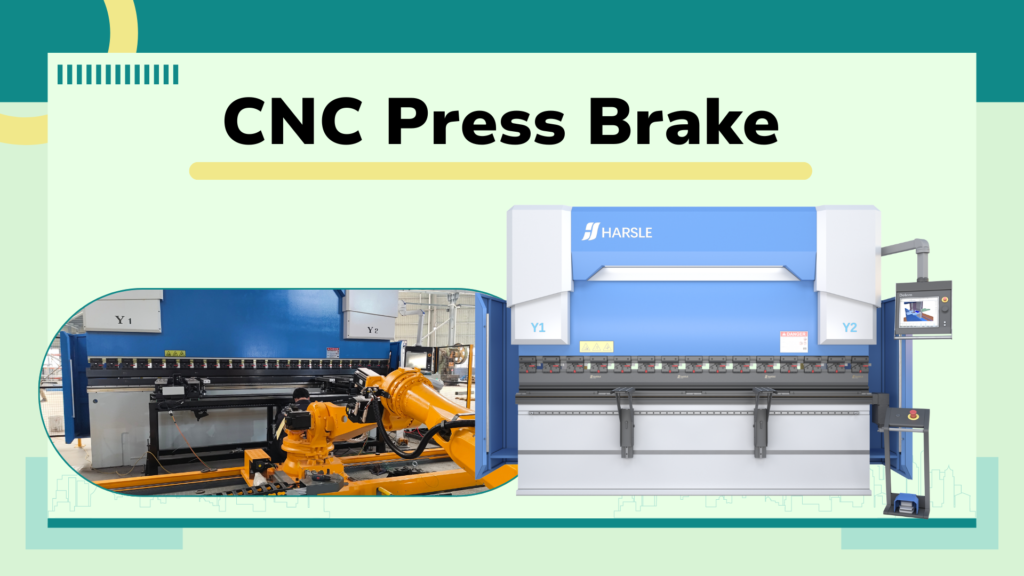
Among the many tools that facilitate modern manufacturing, CNC press brakes stand out as essential equipment. This article explores the role of CNC press brakes in custom fabrication, detailing their advantages, applications, and the impact they have on the industry.
Understanding CNC Press Brakes
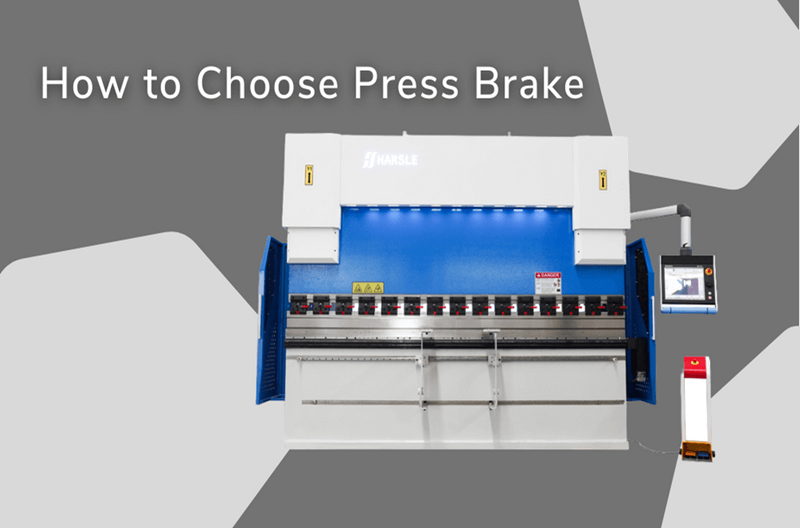
Press brakes are advanced machines used for bending and shaping metal sheets into desired forms. Unlike traditional press brakes, which require manual operation, CNC press brakes utilize computer programming to automate the bending process. This automation enables precise control over the bending angle, depth, and positioning, significantly enhancing productivity and accuracy.
Key Components of CNC Press Brakes
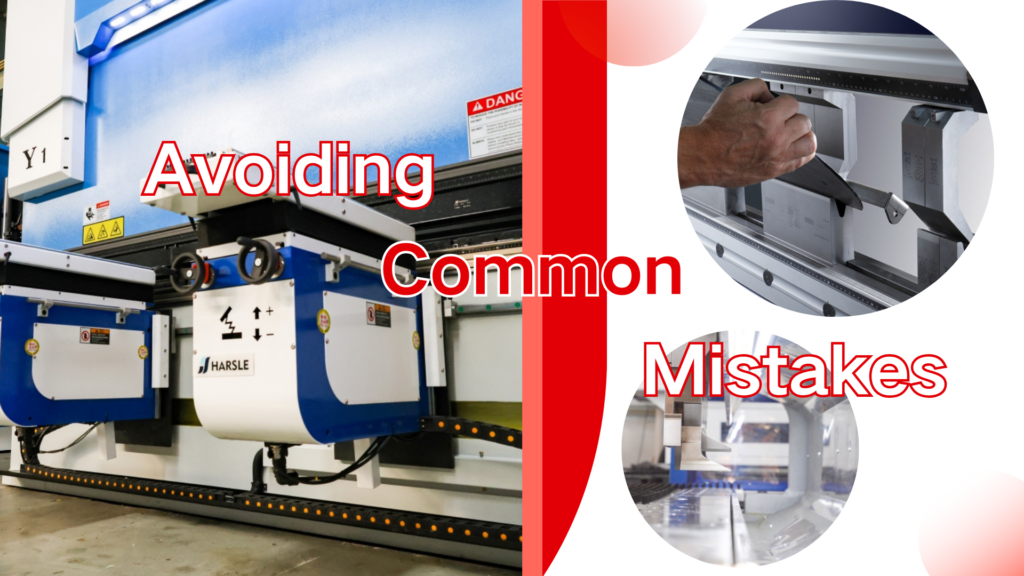
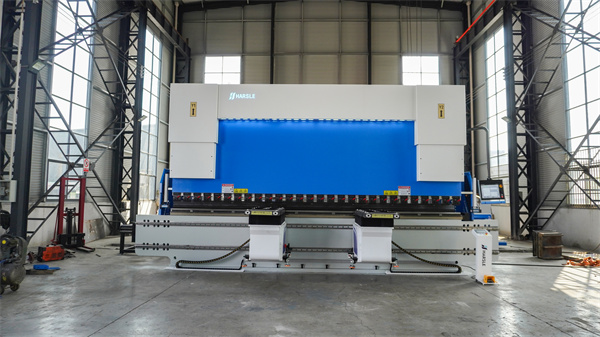
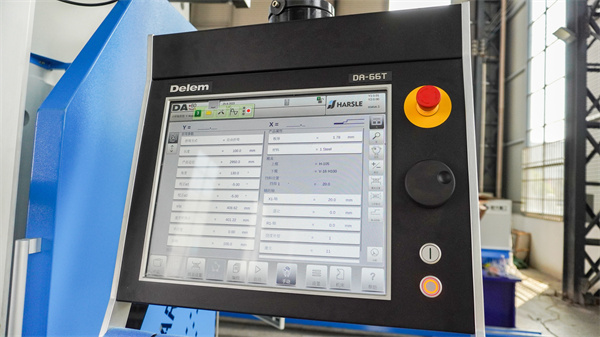
- 제어 시스템: The brain of the CNC press brake, the control system interprets the programmed instructions and coordinates the machine’s movements.
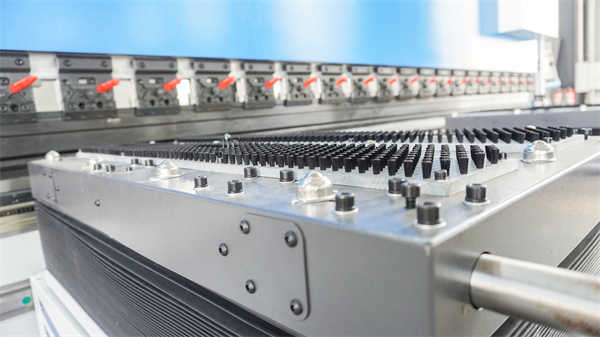
- Bending Tooling: These include punches and dies, which come in various shapes and sizes to create different bends and profiles.
- Hydraulic or Electric Mechanism: CNC press brakes can be hydraulic or electric. Hydraulic systems are known for their power, while electric systems are recognized for their energy efficiency and precision.
- 백 게이지: This component positions the metal sheet accurately before bending, ensuring consistency in production runs.
Advantages of CNC Press Brakes in Custom Fabrication
1. Precision and Consistency
One of the most significant advantages of CNC press brakes is their ability to provide precise and consistent bends. In custom fabrication, even minor discrepancies can lead to significant issues. CNC technology eliminates human error, ensuring that each piece meets exact specifications. This precision is particularly crucial in industries such as aerospace, automotive, and structural engineering, where tolerances can be extremely tight.
2. Flexibility in Design
CNC press brakes allow for complex geometries and custom shapes that would be challenging to achieve with manual methods. Fabricators can easily modify designs and quickly adapt to changing customer requirements. This flexibility is essential in custom fabrication, where each project may have unique specifications.
3. 생산성 향상
Automation significantly increases productivity in custom fabrication. CNC press brakes can perform multiple bends in a single cycle, reducing the time required to complete a project. This efficiency allows fabricators to take on more projects and meet tight deadlines without sacrificing quality.
4. 인건비 절감
While the initial investment in CNC technology can be substantial, the reduction in labor costs can offset this expense over time. Fewer operators are needed to run CNC machines compared to manual press brakes, allowing companies to allocate their workforce more effectively.
5. Enhanced Safety Features
Modern CNC press brakes come equipped with safety features such as light curtains and emergency stop buttons. These enhancements protect operators and minimize the risk of accidents, making the workplace safer.
Applications of CNC Press Brakes in Custom Fabrication
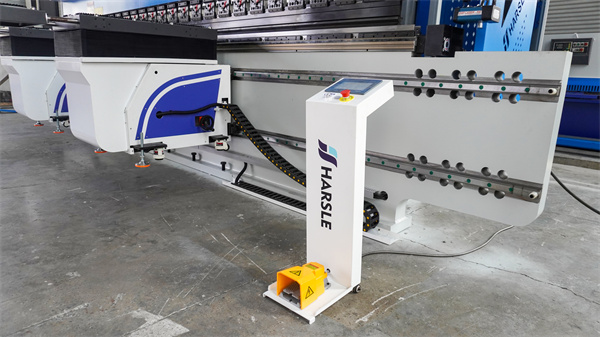
CNC press brakes serve a wide range of applications in custom fabrication across various industries. Here are some notable examples:
1. Aerospace Industry
In the aerospace sector, precision is paramount. CNC press brakes are used to fabricate components such as brackets, supports, and frames that require exacting standards. The ability to create complex shapes with tight tolerances makes CNC press brakes indispensable in this field.
2. Automotive Manufacturing
The automotive industry relies heavily on custom fabrication for parts like chassis components, body panels, and interior fittings. Press brakes enable manufacturers to produce these parts efficiently and accurately, ensuring they meet safety and performance standards.
3. Architectural Fabrication
Custom fabrication in architecture often involves creating unique metal structures, railings, and decorative elements. CNC press brakes can bend metal sheets into intricate designs, allowing architects and designers to bring their visions to life.
4. Industrial Equipment
Manufacturers of industrial equipment often require custom components tailored to specific applications. Press brakes facilitate the production of brackets, covers, and housings with precision, enhancing the overall functionality of the equipment.
5. Sheet Metal Fabrication
In general sheet metal fabrication, CNC press brakes are used to create a variety of products, from HVAC ducts to enclosures. The versatility of CNC press brakes allows fabricators to handle diverse projects with ease.
The Custom Fabrication Process Using CNC Press Brakes
The custom fabrication process using CNC press brakes typically involves several key steps:
1. Design and Engineering
The first step in the custom fabrication process is designing the part. Engineers use CAD (Computer-Aided Design) software to create detailed drawings and specifications. This design is crucial for programming press brake.
2. Programming the CNC 프레스 브레이크
Once the design is finalized, the next step is to program the CNC press brake. Operators input the specifications into the machine’s control system, including the bending sequence, angles, and tooling requirements. Advanced software can simulate the bending process, allowing for adjustments before actual production.
3. Material Preparation
The metal sheets are prepared for bending. This step may involve cutting the sheets to size and ensuring they are free from defects. Proper preparation is essential to achieve the desired results.
4. 굽힘 공정
With everything set up, the metal sheet is placed in the press brake. The machine executes the programmed bending sequence, creating the desired shape. Operators monitor the process to ensure everything runs smoothly.
5. Quality Control
After bending, the finished parts undergo quality control checks to ensure they meet the specified tolerances. This step is critical in custom fabrication, where precision is non-negotiable.
6. Finishing Touches
Finally, any additional finishing processes, such as welding or surface treatment, are performed to complete the fabrication process.
Challenges in Custom Fabrication with CNC Press Brakes

While CNC press brakes offer numerous advantages, they are not without challenges. Understanding these challenges can help fabricators optimize their processes:
1. Initial Investment Costs
The cost of acquiring a press brake can be significant. Smaller businesses may struggle to justify this expense, particularly if they are just starting. However, the long-term benefits often outweigh the initial investment.
2. Skill Requirements
While CNC machines reduce the need for manual labor, they require skilled operators to program and maintain them. Finding qualified personnel can be a challenge, particularly in regions with a shortage of skilled workers.
3. Maintenance and Downtime
Like any machinery, CNC press brakes require regular maintenance to operate efficiently. Unexpected downtime due to mechanical issues can disrupt production schedules and lead to delays in fulfilling customer orders.
4. Material Limitations
Certain materials may present challenges when it comes to bending. Fabricators must understand the properties of the materials they work with to avoid issues such as cracking or warping during the bending process.
The Future of CNC Press Brakes in Custom Fabrication
As technology continues to evolve, so too will CNC press brakes. Several trends are shaping the future of these machines in custom fabrication:
1. Integration with Industry 4.0
The rise of Industry 4.0 is leading to greater connectivity and automation in manufacturing. CNC press brakes will increasingly integrate with other machines and systems, allowing for seamless data exchange and improved production workflows.
2. Advanced Materials and Techniques
The development of new materials and bending techniques will expand the capabilities of CNC press brakes. Fabricators will be able to work with a broader range of materials, including composites and advanced alloys.
3. Improved User Interfaces
Future CNC press brakes are likely to feature more intuitive user interfaces, making it easier for operators to program and control the machines. This will reduce the learning curve and improve overall efficiency.
4. Sustainability Initiatives
As sustainability becomes a priority in manufacturing, press brakes will be designed with energy efficiency in mind. Innovations that reduce power consumption and waste will be key to meeting environmental goals.
결론
CNC press brakes play a crucial role in custom fabrication, providing precision, flexibility, and efficiency that traditional methods cannot match. As industries continue to demand customized solutions, the importance of CNC press brakes will only grow. By understanding their capabilities and potential challenges, fabricators can leverage this technology to enhance their operations and meet the evolving needs of their customers. The future of custom fabrication is bright, and press brakes will undoubtedly be at the forefront of this transformation.