













레이저 커팅 머신에 대한 22가지 필수 사항


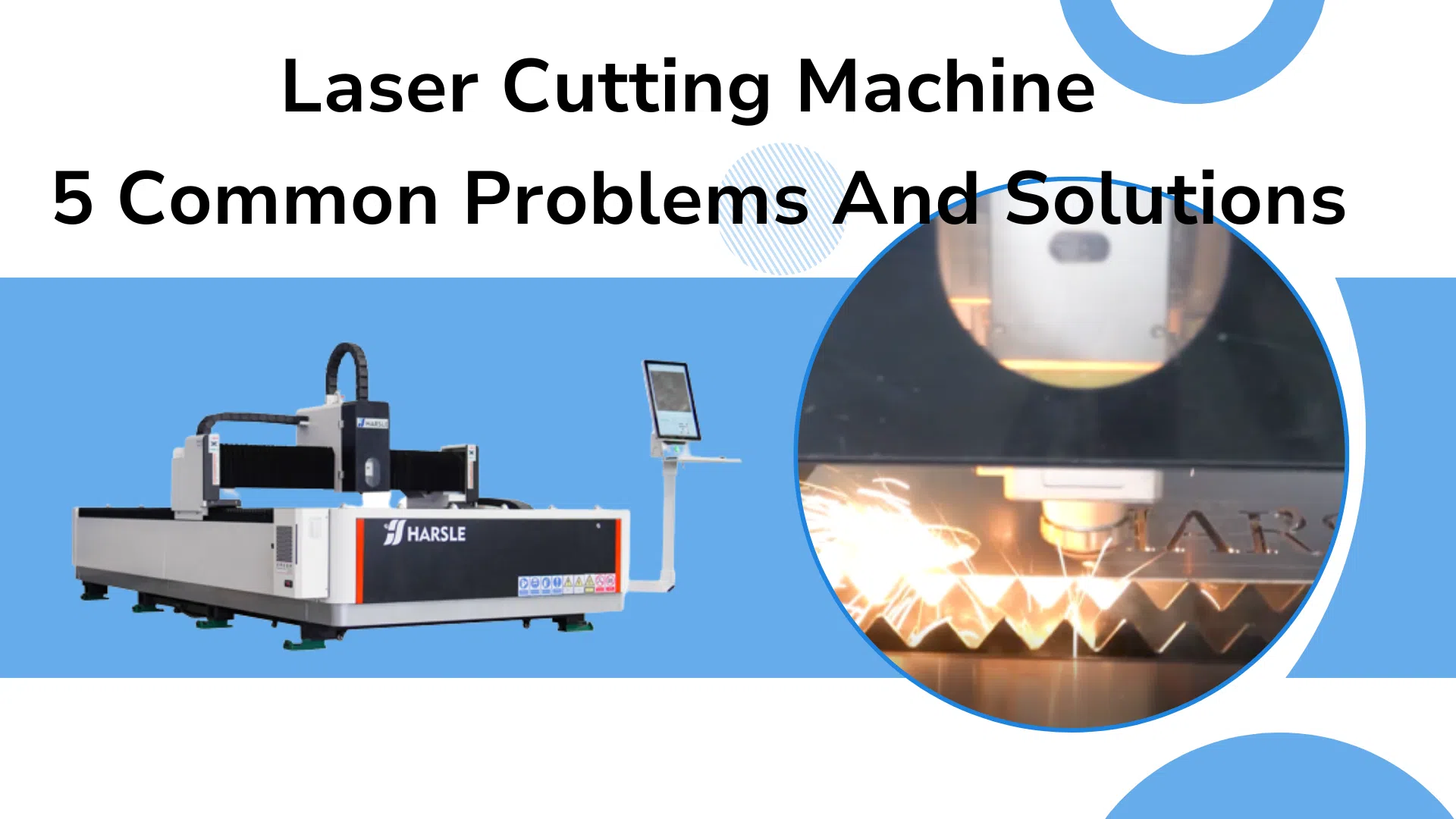
Laser cutting is a precise and efficient manufacturing process that utilizes a highly focused laser beam to cut through various materials with exceptional accuracy. It involves the use of a laser cutting machine, which emits a concentrated beam of light that is directed onto the workpiece, melting, burning, or vaporizing the material in a controlled manner along the desired cutting path.
The concept of laser cutting revolves around the principle of localized heating and material removal through the energy delivered by the laser beam. The laser beam is generated by a laser source, such as a CO2, fiber, or Nd: YAG laser, which produces a coherent and intense beam of light. This laser beam is then directed through a beam delivery system that typically consists of mirrors and lenses, which focus and guide the laser beam onto the workpiece.
When the focused laser beam interacts with the material, it rapidly heats and vaporizes or melts the targeted area. The high energy density of the laser beam enables precise and clean cutting, leaving a narrow kerf or cut width. The motion control system of the laser cutting machine precisely guides the laser beam along the desired cutting path, following a programmed pattern or design.
The versatility of laser cutting allows it to be used on a wide range of materials, including metals (such as steel, aluminum, and titanium), plastics, wood, fabrics, ceramics, and composites. It is particularly well-suited for intricate designs, fine details, and complex geometries, offering high precision and repeatability.
.jpg)
Types of lasers used in laser cutting
There are several types of lasers used in laser cutting, each with its own unique properties and advantages. The choice of laser type depends on the specific cutting requirements and the material being cut. The most common types of lasers used in laser cutting machines include:
- CO2 Lasers: CO2 (carbon dioxide) lasers are widely used in laser cutting due to their versatility and cost-effectiveness. They emit a laser beam with a wavelength of around 10.6 micrometers, which is well-absorbed by non-metallic materials like wood, acrylic, plastics, textiles, and paper. CO2 lasers are capable of cutting thicker materials and provide high-quality cuts with minimal heat-affected zones.
2. Fiber Lasers: Fiber lasers have gained popularity in recent years due to their high energy efficiency and beam quality. These lasers use optical fibers to deliver the laser beam, which results in better beam focus and stability. Fiber lasers are primarily used for cutting metals, including stainless steel, aluminum, copper, and brass. They offer high cutting speeds, and excellent precision, and are especially suitable for thin to medium metal sheets.
3. Nd: YAG Lasers: Nd: YAG (neodymium-doped yttrium aluminum garnet) lasers generate laser beams with a wavelength of around 1.06 micrometers. They are commonly used for cutting metals, including stainless steel and mild steel. Nd: YAG lasers are capable of cutting thicker materials and offer good beam quality, allowing for precise cutting. However, they are typically slower compared to CO2 and fiber lasers.
4. Excimer Lasers: Excimer lasers produce short-wavelength ultraviolet (UV) light, typically in the range of 193 to 351 nanometers. They are commonly used for precision cutting of materials like polymers, ceramics, and thin metals. Excimer lasers are known for their high precision, minimal heat-affected zones, and the ability to cut intricate patterns. However, they are less common in industrial laser cutting applications and are often used in specialized fields.
5. Solid-State Lasers: Solid-state lasers, such as diode-pumped solid-state (DPSS) lasers and disc lasers, are used in certain laser cutting applications. These lasers utilize solid materials as the gain medium, which can be doped with different elements to produce specific laser wavelengths. Solid-state lasers offer good beam quality, and high cutting speeds, and are suitable for cutting thin to medium-thickness materials.
The choice of laser type depends on factors such as the material being cut, desired cutting speed, cut quality requirements, and budget considerations. Laser cutting machines often feature specific laser sources designed for optimal performance in their intended applications.
Laser beam generation and delivery systems

Laser beam generation and delivery systems play a crucial role in laser cutting machines. They are responsible for generating the laser beam, controlling its properties, and delivering it to the workpiece. Here are the main components involved in laser beam generation and delivery systems:
- Laser Source: The laser source is the heart of the laser cutting machine. It generates the laser beam by amplifying and emitting coherent light. The most common types of laser sources used in laser cutting machines are CO2 lasers, fiber lasers, and Nd: YAG lasers.
2. Resonator: The resonator is a critical component in CO2 and Nd: YAG lasers. It consists of mirrors and optical elements that create a resonant cavity for the laser beam, amplifying it to high power levels. The resonator also helps maintain the desired laser wavelength and beam quality.
3. Beam Delivery System: The beam delivery system consists of mirrors and lenses that guide and shape the laser beam from the laser source to the cutting head. These optical components are designed to maintain the beam’s focus and ensure its precise positioning on the workpiece.
4. Beam Expander: A beam expander is sometimes used in the beam delivery system to expand or reduce the diameter of the laser beam. This adjustment allows for better control of the beam’s characteristics, such as spot size and beam divergence.
5. Cutting Head: The cutting head is the component that directly interacts with the workpiece. It contains focusing optics, typically lenses, which concentrate the laser beam to a small spot size at the cutting point. The cutting head may also include additional features such as capacitive height sensors, protective gas nozzles, and collision detection systems.
6. Nozzle System: In laser cutting, a nozzle is often used to deliver assist gas, such as oxygen or nitrogen, to the cutting zone. The assist gas helps blow away molten material and debris from the cut, enhancing the cutting process and reducing heat distortion.
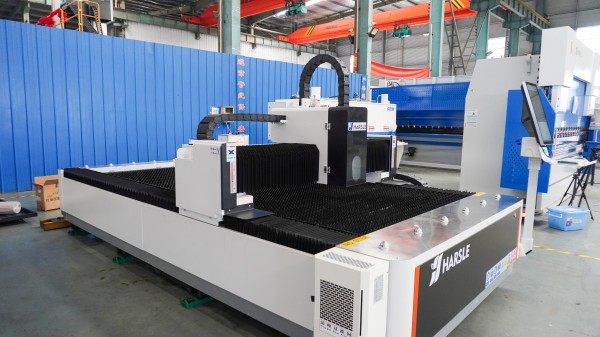
7. Control System: The control system of a laser cutting machine manages various aspects of the laser beam generation and delivery process. It includes hardware and software components that regulate laser power, beam speed, focal length, assist gas flow and other parameters. The control system ensures precise control and coordination of the laser cutting process.
These components work together to generate and deliver a well-controlled laser beam to achieve precise cutting results. Laser cutting machine manufacturers design their systems to optimize beam quality, stability, and reliability for different cutting applications and material types.
Interaction of laser beam with materials
The interaction of a laser beam with materials during laser cutting involves several processes, depending on the characteristics of the material and the laser parameters. The primary interactions include absorption, reflection, transmission, and thermal effects. Here’s a breakdown of these interactions:
- Absorption: When a laser beam interacts with a material, a portion of its energy is absorbed by the material. The extent of absorption depends on the material’s properties and the laser wavelength. Materials have different absorption coefficients at various wavelengths, meaning they absorb different amounts of laser energy. For example, CO2 lasers (10.6 micrometers) are well-absorbed by non-metallic materials like wood, acrylic, and plastics, while fiber lasers (around 1 micrometer) are well-suited for cutting metals.
2. Reflection: Some of the laser energy is reflected off the material’s surface. The reflectivity depends on the material’s properties, surface condition, and angle of incidence. Reflectivity is typically high for metals, especially at lower power densities. To overcome excessive reflection during metal cutting, techniques such as beam oscillation or using anti-reflective coatings on the material surface may be employed.
3. Transmission: In some cases, a laser beam can pass through a material without significant absorption or reflection. This is called transmission. Transparent or translucent materials like glass can allow the laser beam to pass through, making them unsuitable for conventional laser cutting. However, laser technologies like ultrashort pulse lasers can be used for precise cutting of transparent materials.
4. Thermal Effects: The absorption of laser energy by a material leads to localized heating. This rapid heating causes the material to melt, vaporize, or undergo thermal decomposition, depending on the laser power and duration of exposure. The thermal effects play a crucial role in cutting as they determine the depth and quality of the cut. For example, in the laser cutting of metals, high-power lasers can generate a keyhole effect where the laser beam creates a hole through the material by vaporizing it.

Factors affecting the cutting process
Several factors can significantly impact the laser cutting process and the quality of the cut. These factors include:
- Laser Power: The power level of the laser beam determines the amount of energy delivered to the material. Higher laser power leads to faster cutting speeds and the ability to cut through thicker materials. However, excessive power can cause material damage, such as excessive melting or thermal distortion.
- Cutting Speed: The speed at which the laser beam moves across the workpiece, known as cutting speed or traverse speed, affects the cutting process. Higher cutting speeds are generally preferred for increased productivity. However, slower speeds may be necessary for intricate designs or when cutting thicker materials to ensure proper heat dissipation and quality.
- Focus and Spot Size: The focus of the laser beam and the resulting spot size plays a crucial role in the cutting process. A smaller spot size enables finer detail and higher precision. The focus is controlled by the lens in the cutting head. Proper focus adjustment is essential to achieve optimal cutting performance and maintain a small heat-affected zone.
- Material Type and Thickness: Different materials have varying properties, such as thermal conductivity, reflectivity, and absorptivity, which affect how they interact with the laser beam. Additionally, the thickness of the material influences the cutting process. Thicker materials require higher laser power and slower cutting speeds to ensure complete material removal without excessive heat buildup.
- Assist Gas: Assist gas, such as oxygen, nitrogen, or a combination of both, is often used in laser cutting. The choice of assist gas depends on the material being cut and the desired cutting results. Assist gas helps to blow away molten material and debris from the cutting zone, preventing re-deposition and improving the cut quality.
- Nozzle Design and Gas Pressure: The design of the cutting head nozzle and the pressure of the assist gas play a role in the cutting process. The nozzle directs the assist gas flow and helps to control the kerf width and the removal of molten material. The gas pressure needs to be optimized for efficient material removal without causing excessive turbulence or disturbances in the cutting process.
- Material Preparation and Fixturing: Proper preparation and fixturing of the workpiece are essential for successful laser cutting. The material should be securely held and positioned to ensure accurate and stable cutting. Surface condition, cleanliness, and flatness of the material also affect the cutting process and the quality of the cut.
- Machine Calibration and Maintenance: The proper calibration and maintenance of the laser cutting machine are crucial for consistent and accurate cutting results. Regular calibration ensures precise beam positioning and alignment, while maintenance activities such as cleaning optical components and replacing worn-out parts help maintain optimal performance.

Understanding and controlling these factors is vital for achieving desired cut quality, optimizing cutting parameters, and maximizing the efficiency of the laser cutting process.