







레이저 클리닝 기계에 대해 알아야 할 26가지 중요 사항


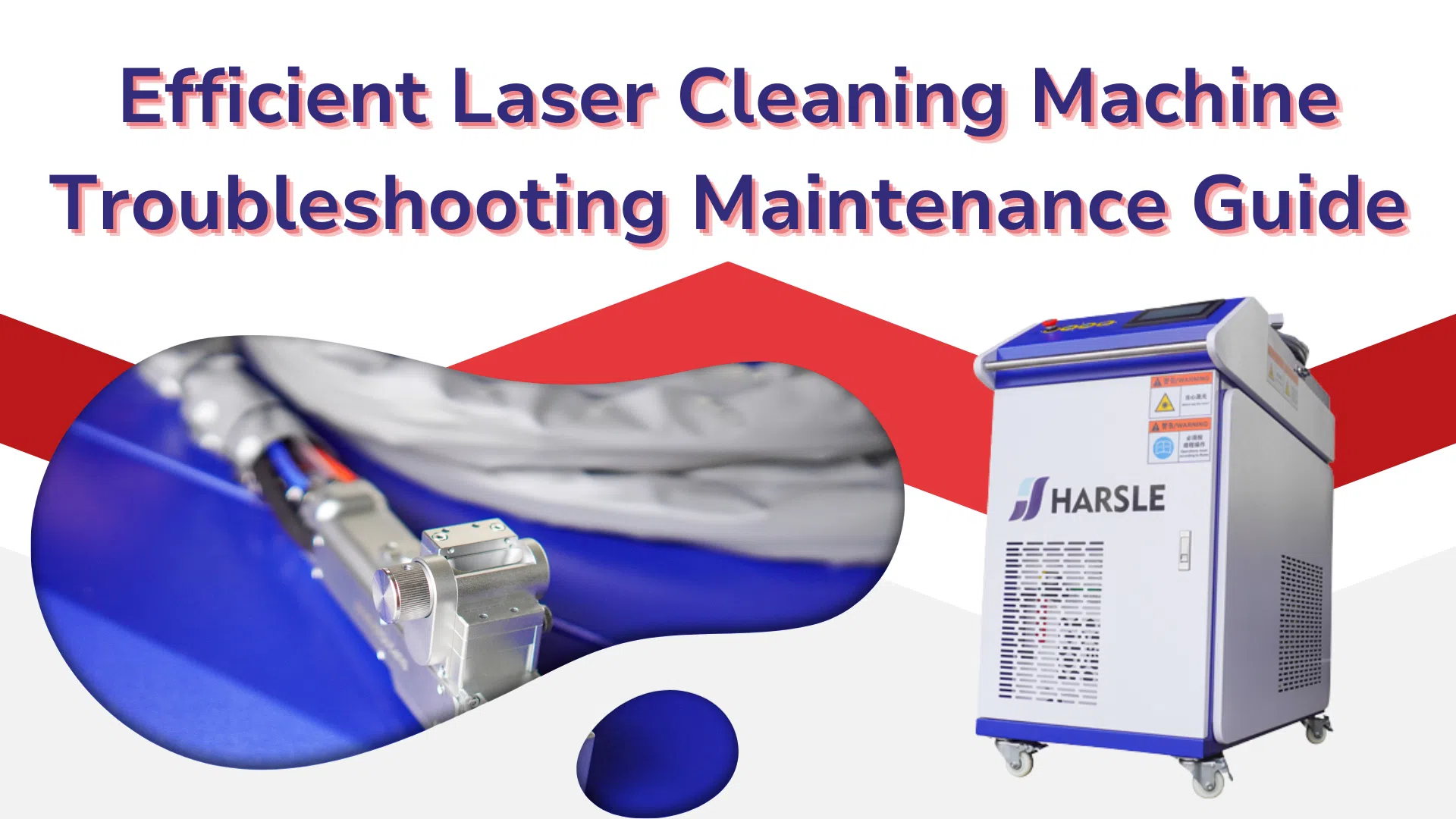
A laser cleaning machine is a high-tech device that uses focused laser beams to remove contaminants, coatings, rust, and other unwanted materials from surfaces. It operates based on the principle of selective absorption of laser energy, where the laser light interacts with the surface to be cleaned, causing the unwanted material to be vaporized or ablated without damaging the underlying substrate.
The process of laser cleaning is exact and non-abrasive, making it an environmentally friendly alternative to traditional cleaning methods that often involve the use of harsh chemicals, abrasives, or mechanical processes. The laser’s energy is precisely controlled, allowing for the selective removal of contaminants without affecting the surrounding material.
Laser cleaning machines find applications in various industries, including manufacturing, automotive, aerospace, electronics, art restoration, and conservation. They can effectively remove rust, paint, oil, grease, oxides, and other unwanted substances from metal, stone, plastic, and other materials, restoring surfaces to their original condition.

Basic Working Principles of Laser Cleaning Machine
In recent years, laser cleaning machines have emerged as a revolutionary technology, offering a highly efficient and eco-friendly solution for surface cleaning across various industries. Unlike traditional cleaning methods that use harsh chemicals or abrasive techniques, laser cleaning relies on the precise application of focused laser beams to remove contaminants and coatings from surfaces. In this article, we will explore the basic working principles of a laser cleaning machine and delve into the science behind its remarkable cleaning capabilities.
- Laser Source and Emission
At the heart of a laser cleaning machine is the laser source, which generates a coherent and intense beam of light. Various types of lasers are used for different applications, including fiber lasers, pulsed lasers, and continuous-wave lasers. The choice of laser depends on factors such as the material to be cleaned, the thickness of contaminants, and the desired cleaning speed.
2. Wavelength Selection
The wavelength of the laser beam is a crucial parameter in laser cleaning. Different materials have varying degrees of absorption at different wavelengths. The laser wavelength is carefully selected to match the absorption characteristics of the contaminants on the surface. This ensures that the laser energy is efficiently absorbed by the unwanted materials, while the substrate remains relatively unaffected.
3. Interaction with Surface Contaminants
When the focused laser beam strikes the surface, the contaminants absorb the laser energy, causing rapid heating and vaporization. This process is known as ablation. The high-intensity laser light effectively breaks down the chemical bonds in the contaminants, converting them into gases and particulates. The momentum generated by the expanding gas helps to dislodge and remove the debris from the surface.

Laser cleaning machines represent a cutting-edge technology that is transforming the way surfaces are cleaned in various industries. The basic working principles of laser cleaning, including laser source emission, wavelength selection, interaction with surface contaminants, and its non-contact, non-abrasive nature, make it a powerful and efficient cleaning solution. With its precise and selective cleaning capabilities and environmental benefits, laser cleaning is set to continue revolutionizing cleaning processes in the future. As technology advances, we can expect even more sophisticated laser cleaning machines that cater to diverse industrial needs and further reduce the environmental footprint of surface cleaning operations.
Advantages of Laser Cleaning Machine
In today’s fast-paced industrial landscape, the demand for efficient and environmentally friendly cleaning solutions is higher than ever. Traditional cleaning methods often involve the use of harsh chemicals, abrasive materials, and manual labor, leading to significant drawbacks in terms of safety, waste generation, and overall effectiveness. However, with the advent of laser cleaning technology, a revolutionary approach to surface cleaning has emerged, offering a myriad of advantages that address these challenges. In this article, we will explore the numerous benefits of laser cleaning and its impact on various industries.
- Non-Abrasive and Non-Contact Cleaning
One of the most significant advantages of laser cleaning is its non-abrasive and non-contact nature. Unlike abrasive cleaning methods that can damage delicate surfaces or alter their texture, laser cleaning relies on focused laser beams to remove contaminants without physical contact. This minimizes the risk of surface degradation, making it ideal for cleaning sensitive materials such as electronics, historical artifacts, and precision machinery.
- Environmental Friendliness
Laser cleaning machine is an environmentally friendly cleaning solution. Traditional methods often involve the use of chemical solvents that can be harmful to both human health and the ecosystem. In contrast, laser cleaning requires no additional chemicals or abrasive media, significantly reducing waste generation and eliminating the need for hazardous materials disposal. This eco-conscious approach makes laser cleaning a sustainable choice for companies looking to reduce their environmental impact.
- Precision and Selectivity
Laser cleaning machines offer unparalleled precision and selectivity. The laser energy can be precisely adjusted to target specific contaminants while leaving the underlying surface untouched. This level of control allows for intricate cleaning tasks in complex machinery, removing only unwanted materials without compromising the structural integrity of the workpiece.

- Reduced Downtime and Increased Productivity
Laser cleaning machine is an efficient process that significantly reduces cleaning time compared to traditional methods. The automated and non-contact nature of laser cleaning machines allows for rapid and continuous cleaning, minimizing downtime in production processes. The increased productivity translates into cost savings and improved operational efficiency for businesses.
- Improved Safety for Operators
Chemical cleaning methods pose health risks to operators who may be exposed to toxic fumes and corrosive substances. Laser cleaning eliminates these risks, providing a safe and operator-friendly cleaning solution. With proper training and safety measures, operators can effectively use laser cleaning machines without concerns about harmful exposure.
Applications of Laser Cleaning
In the quest for efficient and environmentally friendly cleaning solutions, laser cleaning has emerged as a transformative technology with diverse applications across various industries. Unlike traditional cleaning methods that often involve the use of chemicals, abrasives, or manual labor, laser cleaning offers a non-abrasive, non-contact approach to removing contaminants and restoring surfaces. In this article, we will explore the wide-ranging applications of laser cleaning and its impact on industries such as manufacturing, automotive, aerospace, historical preservation, and more.
- Manufacturing Industry
The manufacturing sector has embraced laser cleaning machines as a key tool for surface preparation. It is particularly valuable in industries where cleanliness and precision are paramount, such as semiconductor manufacturing. Laser cleaning is used to remove particles, residues, and contaminants from delicate semiconductor surfaces, ensuring optimal performance and yield.
Additionally, laser cleaning is employed in the preparation of metal surfaces before welding, brazing, or coating processes. By efficiently removing oxides, oils, and coatings, laser cleaning promotes strong and reliable bonding between materials, improving the overall quality of the final product.
- 자동차 산업
In the automotive industry, laser cleaning finds extensive use in various stages of production and maintenance. During vehicle assembly, laser cleaning is employed to prepare car body surfaces before painting, ensuring proper adhesion and a flawless finish. It is also utilized for rust and corrosion removal from metal components, extending the lifespan of automotive parts and improving their safety and reliability.
In automotive repair and maintenance, laser cleaning offers a non-intrusive method to remove graffiti, road paint, and adhesive residues from windows, windshields, and other vehicle surfaces without causing damage.
- Aerospace Industry
The aerospace industry benefits significantly from laser cleaning’s ability to remove contaminants from critical aircraft components. It is used for turbine blade cleaning, removing dirt, and coatings that might otherwise impair engine performance. Laser cleaning also aids in maintaining aerospace structures, as it effectively eliminates corrosion, oxidation, and surface coatings, thereby extending the life of aircraft components.
- Electronics and Microelectronics
The electronics and microelectronics industries require precise and gentle cleaning methods to remove microscopic particles and residues. Laser cleaning is the ideal solution for removing contaminants from delicate electronic components, circuit boards, and semiconductor wafers. Its non-contact nature ensures that sensitive electronic devices remain intact, and the high precision helps maintain the reliability of intricate circuitry.
- Historical Preservation and Conservation
Laser cleaning machine has revolutionized the field of historical preservation and conservation. When dealing with delicate artifacts, sculptures, and monuments, traditional cleaning methods may pose risks of damage or alteration. Laser cleaning offers a gentle and controlled approach to remove pollutants, dirt, and biological growth from historical structures and artworks, without causing harm to the original material.
- Marine and Offshore
In marine and offshore industries, laser cleaning is employed for the maintenance and cleaning of ship hulls, propellers, and underwater structures. By removing biofouling, algae, and other contaminants, laser cleaning helps improve fuel efficiency and reduces the environmental impact of vessels.

The applications of laser cleaning span numerous industries and have revolutionized surface preparation and restoration processes. Its non-abrasive, non-contact nature, coupled with precise and selective cleaning capabilities, make it a preferred choice for delicate materials and intricate structures.
Factors Affecting Cleaning Efficiency
In the pursuit of efficient and effective cleaning solutions, laser cleaning machine has emerged as a cutting-edge technology with numerous advantages. It offers a non-abrasive, non-contact approach to removing contaminants from surfaces, making it ideal for delicate materials and precision cleaning tasks. However, the efficiency of the laser cleaning process is influenced by several factors that must be carefully considered to achieve optimal results. In this article, we will explore the key factors that affect cleaning efficiency in laser cleaning machine applications.
- Material Type and Surface Characteristics
The material composition and surface properties significantly impact the cleaning efficiency of the laser cleaning machine. Different materials have varying degrees of absorption and reflectance for specific laser wavelengths. For instance, metals generally have high absorption rates for certain laser wavelengths, making them ideal candidates for laser cleaning. On the other hand, materials like glass and ceramics may require specific laser parameters to achieve efficient cleaning due to their lower absorption rates.
Surface roughness and porosity also play a role in cleaning efficiency. Smoother surfaces with low porosity tend to absorb laser energy more effectively, resulting in improved cleaning outcomes.
- Contaminant Type and Thickness
The type and thickness of contaminants on the surface are crucial factors that influence cleaning efficiency. Different contaminants, such as rust, paint, oil, grease, or organic residues, have varying absorption properties for different laser wavelengths. Laser cleaning works best when the laser energy is absorbed primarily by the unwanted contaminants, causing them to be vaporized and removed from the surface.
The thickness of the contaminants also matters. While laser cleaning machine can effectively remove thin layers of contaminants, thicker layers may require higher laser power or multiple passes to achieve satisfactory cleaning results.
- Laser Parameters and Settings
Laser parameters, including power, pulse duration, and frequency, directly affect the energy delivered to the surface and the cleaning process. The choice of laser parameters depends on the material and contaminant being treated. High laser power and short pulses are suitable for dense and stubborn contaminants, while low power and longer pulses may be preferred for more delicate cleaning tasks.
The repetition rate of the laser pulses can also influence cleaning efficiency. A higher repetition rate can increase the speed of cleaning but may result in reduced energy absorption per pulse. Striking the right balance between speed and energy absorption is essential for achieving optimal cleaning efficiency.
- Scanning Speed and Pattern
The scanning speed of the laser beam across the surface determines the dwell time on each spot and affects cleaning efficiency. A slower scanning speed may lead to more thorough cleaning but can be time-consuming, while a higher scanning speed may compromise the level of cleaning achieved. Achieving the right scanning speed is essential to balance cleaning efficiency and productivity.
The scanning pattern can also impact cleaning efficiency. Certain patterns, such as linear, circular, or raster, may be more effective for specific applications, depending on the shape and layout of the contaminants.
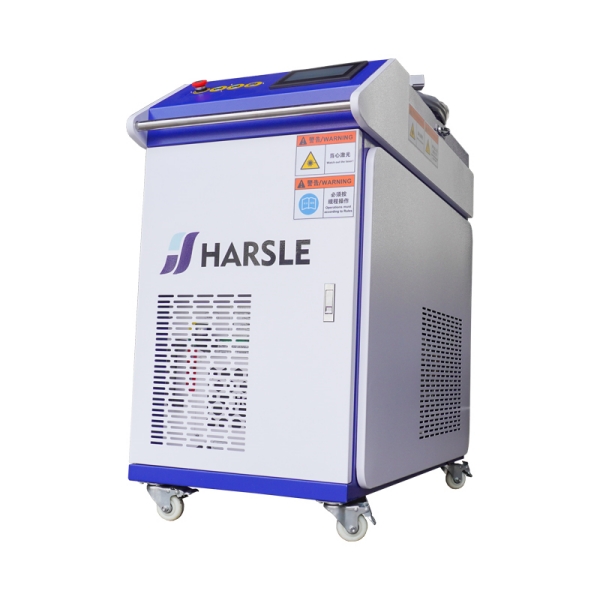
Safety Considerations
Laser cleaning has emerged as a state-of-the-art technology for efficient and precise surface cleaning across various industries. Its non-abrasive and non-contact nature, coupled with eco-friendly benefits, make it a preferred choice for removing contaminants and coatings. However, as with any laser-based technology, laser cleaning requires strict adherence to safety protocols to ensure the well-being of operators and the overall safety of the workplace. In this article, we will explore the key safety considerations in laser cleaning operations.
- Laser Classification and Hazard Assessment
Laser cleaning machines utilize high-powered laser sources that emit intense light energy. The lasers are classified into different classes based on their power and potential hazards. Before using a laser cleaning machine, a thorough hazard assessment must be conducted to determine the appropriate laser classification and implement necessary safety measures.
- Personal Protective Equipment (PPE)
Operators and personnel working in the vicinity of laser cleaning operations must wear appropriate personal protective equipment (PPE) to safeguard against potential laser exposure. Laser safety goggles or glasses designed to block the specific wavelength of the laser being used are essential to protect the eyes from direct or reflected laser beams.
- Controlled Access Area
Laser cleaning machines should be operated within a controlled access area to limit unauthorized access and protect individuals from accidental exposure to laser beams. Warning signs should be posted around the work area to alert people of potential laser hazards.
- Training and Certification
Operators of laser cleaning machines must undergo thorough training on the safe operation of the equipment and the proper use of personal protective gear. Proper certification ensures that operators are well-equipped to handle potential risks and emergencies effectively.
- Interlocks and Safety Features
Laser cleaning machines are equipped with interlocks and safety features to prevent accidental laser emissions. These interlocks are designed to automatically shut down the laser if specific conditions are not met, such as when the enclosure door is open or when safety barriers are breached.
- Ventilation and Fume Extraction
Laser cleaning can generate vaporized particles and gases from the contaminants on the surface. Adequate ventilation and fume extraction systems should be in place to remove these by-products from the work area and prevent the accumulation of hazardous substances.
- Emergency Response Planning
A comprehensive emergency response plan should be established, outlining procedures to follow in case of laser-related incidents or accidents. This plan should include immediate actions to be taken, first aid measures, and communication protocols to alert relevant personnel.
- Periodic Maintenance and Inspection
Regular maintenance and inspection of laser cleaning equipment are crucial to ensure proper functioning and safety compliance. Components, such as laser sources, optics, and safety interlocks, should be routinely checked, and any issues should be promptly addressed.