
















Material Traceability in Press Frame Fabrication Best Practices

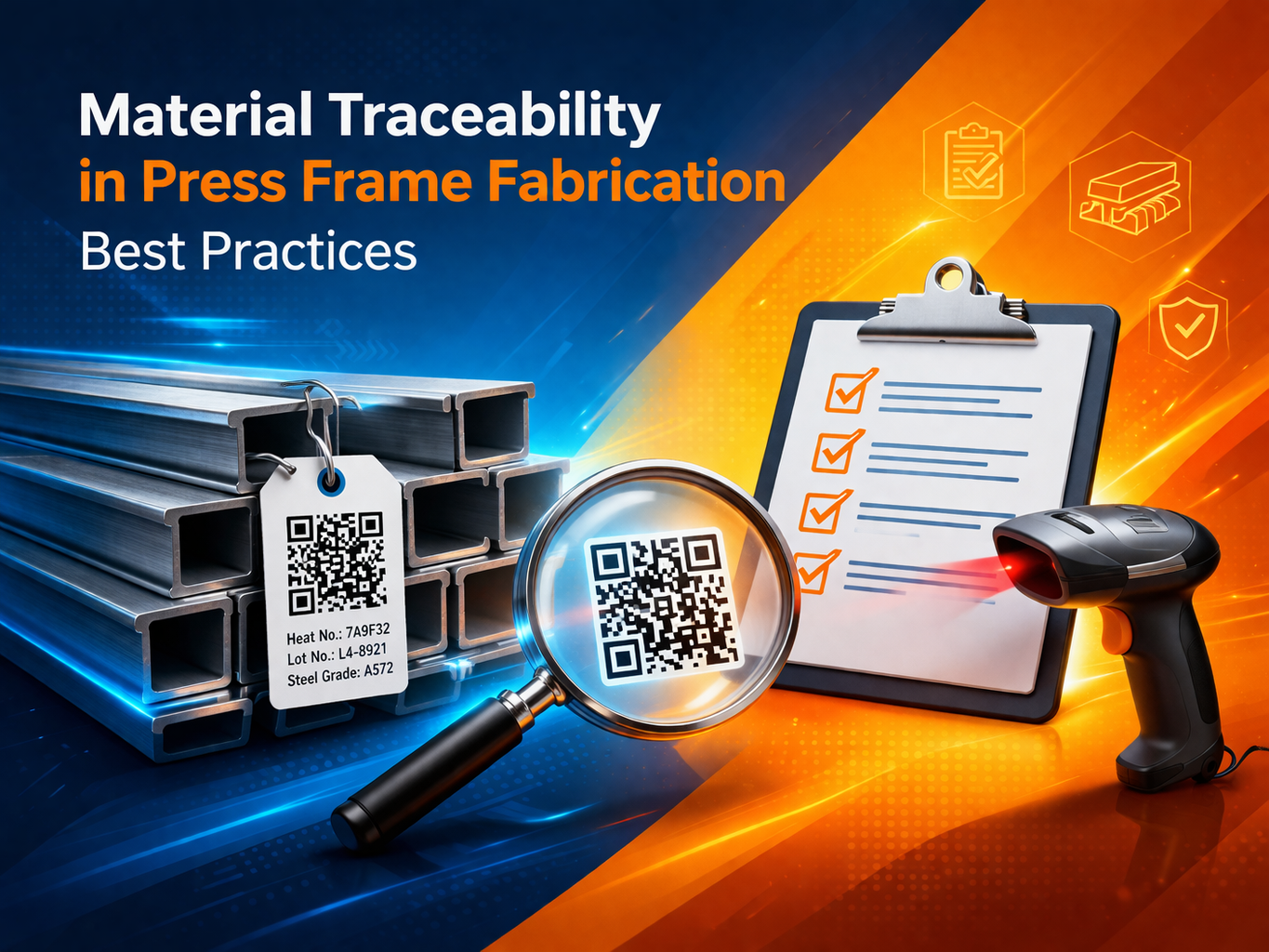
In the high-stakes world of heavy industrial machinery, the structural integrity of a press frame is the cornerstone of operational safety and machine longevity. Material traceability in press frame fabrication refers to the systematic process of tracking the origin, chemical composition, and physical properties of the steel plates and components used to construct a press. Whether it is a C-frame hydraulic press or a massive H-frame mechanical stamping press, the forces exerted during operation are immense, often reaching thousands of tons. Without a rigorous traceability system, manufacturers risk catastrophic structural failure, which can lead to expensive equipment loss or, more importantly, severe workplace injuries. This article delves into the technical nuances of material certification, the engineering implications of material variance, and the best practices for maintaining a robust chain of custody from the steel mill to the final factory floor assembly.
Understanding the Basics of Industrial Traceability
Traceability in manufacturing is more than just a documentation requirement; it is a quality assurance protocol. In the context of press frame fabrication, it begins with the Heat Number. A heat number is a unique identification code assigned to a batch of steel at the mill during the melting process. This number links the final product to its specific chemical makeup and mechanical testing results, documented in a Material Test Report (MTR) or Mill Certification.
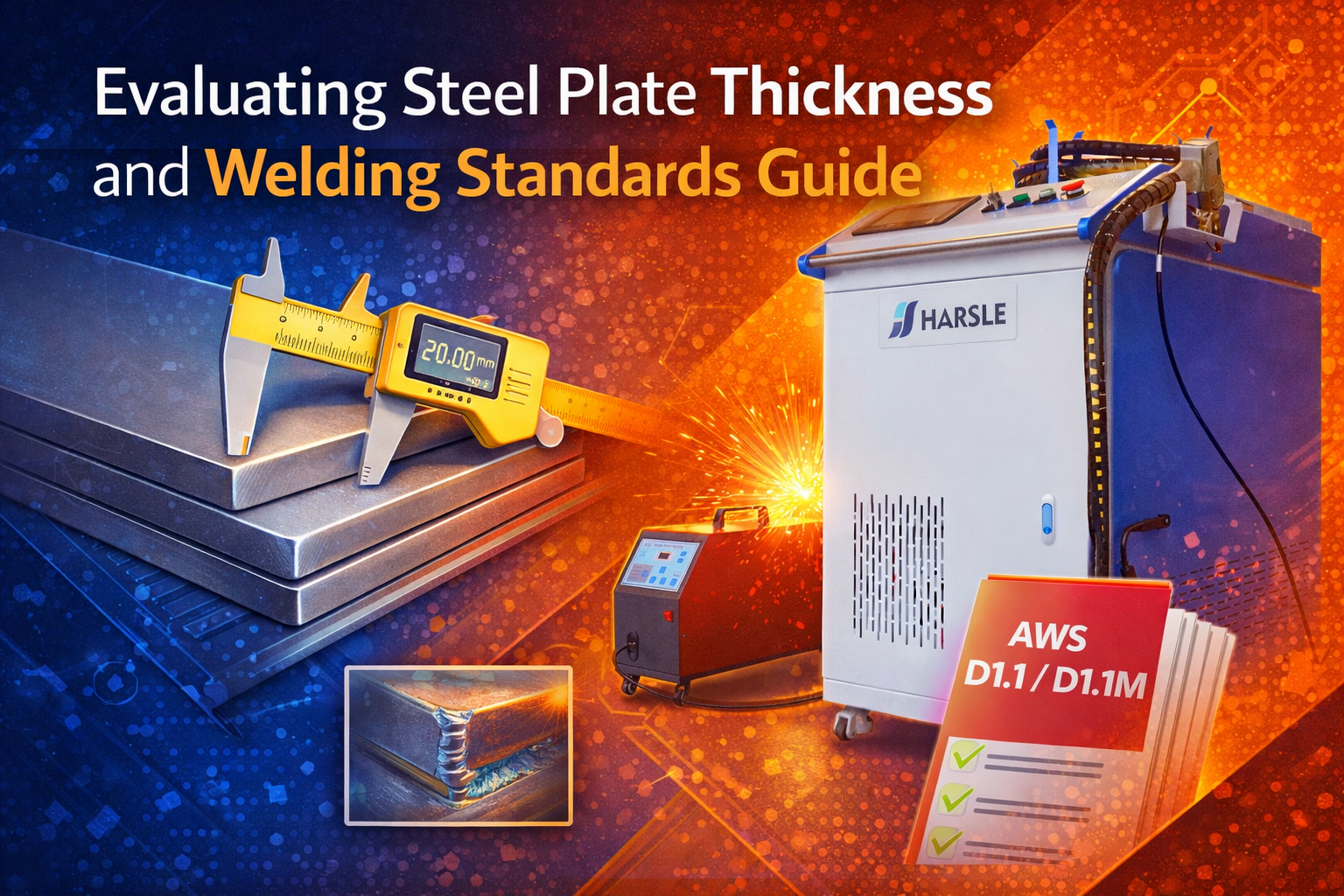
A press frame is typically composed of thick heavy plates, often ranging from 50mm to over 200mm in thickness. These plates must withstand cyclic loading and significant vibration. Traceability ensures that every piece of plate can be traced back to its specific ladle at the foundry, confirming that the alloying elements, such as carbon, manganese, and silicon, are within the specified tolerances for the intended engineering design. In heavy fabrication, this process is governed by international standards such as ISO 9001 and specific welding standards like AWS D1.1 or EN 1090.
In the world of high-tonnage fabrication, a material certificate is more than paper; it is the structural DNA of the machine, ensuring that every weld and every joint can withstand the calculated stresses of industrial production.
Why Material Traceability in Press Frame Fabrication Matters
The primary reason for emphasizing material traceability in press frame fabrication is the management of risk. In heavy machinery, the margin for error is slim. If a manufacturer uses a low-quality steel grade that lacks the specified yield strength, the frame may undergo permanent deformation under peak tonnage. Material traceability provides the ‘paper trail’ necessary to verify that the steel used matches the engineering specifications.
Furthermore, material traceability is crucial for weldability. The chemical composition of the steel—specifically the Carbon Equivalent (CE)—determines how the material reacts to the heat-affected zone (HAZ) during welding. If the traceability is lost, the welding engineer cannot accurately determine the required pre-heat or post-weld heat treatment (PWHT) temperatures, leading to potential hydrogen-induced cracking or brittle fracture in the frame’s critical joints. From a legal and compliance perspective, having a complete traceability dossier is mandatory for achieving CE marking or meeting OSHA safety standards in the United States.
Key Factors in Material Selection and Certification
When engineering a press frame, several technical factors must be verified through the MTR. Engineers do not simply look for ‘steel’; they look for specific performance characteristics that ensure the frame can handle the tonnage capacity and die opening requirements without excessive deflection.
- Chemical Composition: Essential elements include Carbon (C) for hardness, Manganese (Mn) for strength, and Silicon (Si) for deoxidation. Trace elements like Phosphorus and Sulfur must be minimized to prevent brittleness.
- Mechanical Properties: The yield strength, tensile strength, and percentage elongation are the most critical metrics found in the traceability documentation.
- Charpy V-Notch (CVN) Testing: For machines operating in cold environments or subjected to impact loading, CVN impact testing confirms the material’s toughness and resistance to brittle fracture.
- Ultrasonic Testing (UT): Heavy plates used in press frames should be UT-tested (e.g., to ASTM A578) to ensure there are no internal laminations or inclusions that could compromise structural integrity under load.
Technical Calculations: Stress, Yield, and Material Traceability in Press Frame Fabrication
Engineering a press frame requires a deep understanding of stress distribution. The material traceability data provides the precise Yield Strength (σy) used in safety factor calculations. If the actual material yield is lower than the design specification, the safety factor is compromised.
Consider the basic stress formula: σ = F / A, where σ is the stress, F is the force (tonnage), and A is the cross-sectional area of the frame uprights. To ensure the press does not fail, engineers calculate the Safety Factor (SF) as:
SF = σy / σworking
If a press is designed for 500 tons of force and the material is specified as S355 (355 MPa yield), but a non-traceable, lower-grade S235 plate is accidentally used, the safety factor could drop by over 30 percent, leading to immediate structural risk. Additionally, for welding considerations, the Carbon Equivalent Value (CEV) must be tracked using the International Institute of Welding (IIW) formula:
CEV = C + Mn/6 + (Cr + Mo + V)/5 + (Ni + Cu)/15
A CEV above 0.45 typically requires specific pre-heating protocols to prevent cracking in the thick plates commonly used in press frame fabrication. Traceability ensures these values are known before the first arc is struck.
Material Comparisons: Selecting the Right Grade for Heavy Fabrication
Choosing the correct steel grade is vital for the longevity of a press. Below is a comparison of common materials used in press frame fabrication and why traceability for each is handled differently.
| Material Grade | Standard | Yield Strength (min) | Typical Application |
|---|---|---|---|
| S355JR / A572 Gr 50 | EN 10025 / ASTM | 355 MPa / 345 MPa | General structural frames for hydraulic presses |
| S690QL | EN 10025-6 | 690 MPa | High-performance, lightweight press components |
| A36 / S235JR | ASTM / EN | 250 MPa / 235 MPa | Non-load bearing gussets and secondary supports |
| C45 / 1045 | ISO 683 | 310-530 MPa | Machined components and small frame inserts |
While A36 is common in general construction, it is often avoided for primary load-bearing members in high-tonnage press frames due to its lower yield strength and wider chemical tolerances. Traceability allows the fabricator to distinguish between these grades during the busy production process.
Step-by-Step Guide to Implementing Material Traceability in Press Frame Fabrication
- Procurement and RFQ: Specify that all materials must come with 3.1 or 3.2 Mill Test Reports according to EN 10204.
- Inward Inspection: Cross-reference the heat numbers stamped on the physical plates with the digital or paper MTRs received from the supplier.
- Hard Marking: Before any cutting begins, transfer the heat number to every section of the plate using low-stress stamps or paint pens. This is critical for CNC laser or plasma cutting where one large plate becomes multiple frame components.
- Cutting Plan Documentation: Maintain a ‘nesting map’ that records which heat number was used for which part of the press (e.g., the bed, the crown, or the side housings).
- Welding Logs: Link the welder ID and the weld procedure specification (WPS) to the specific material heat numbers in a central fabrication dossier.
- Final Quality Dossier: Compile all MTRs, NDT reports (Ultrasonic, Magnetic Particle), and heat treatment charts into a final traceability book for the end-user.
Common Mistakes in Frame Material Documentation
One of the most frequent errors in material traceability in press frame fabrication is ‘losing the identity’ of a part during the sandblasting or machining phase. If a component is sandblasted, the original paint-pen markings are removed. If it is not immediately re-stamped, the traceability chain is broken. Another mistake is assuming all plates in a single shipment belong to the same heat number. It is common for a service center to fulfill an order from multiple batches, meaning each plate must be checked individually. Finally, relying on ‘commercial quality’ steel without specific MTRs is a dangerous practice in press manufacturing, as the mechanical properties can vary significantly within a single plate thickness.
Industry Applications for Traceable Heavy Machinery
Traceability is particularly critical in specialized sectors. In the aerospace industry, presses used to form titanium or high-strength aluminum alloys must operate with extreme precision and reliability. Any frame deflection caused by sub-standard material would result in scrapped aircraft parts worth millions of dollars. Similarly, in the automotive stamping industry, where presses operate at high strokes-per-minute, the fatigue life of the frame is paramount. Traceability ensures that the steel used has the required grain structure and cleanliness to withstand millions of cycles without developing fatigue cracks.
Reliability in sheet metal fabrication equipment is not just about the electronics or the hydraulics; it begins with the metallurgical certainty of the steel that holds the machine together.
결론
Material traceability in press frame fabrication is a non-negotiable aspect of modern engineering. It bridges the gap between theoretical design and physical reality, providing the data necessary to ensure safety, performance, and longevity. For factory owners and purchasing managers, investing in equipment from manufacturers who prioritize rigorous traceability protocols is a safeguard against future liability and operational downtime. By following the standards of heat number tracking, MTR verification, and diligent documentation, the industrial fabrication sector can continue to push the boundaries of tonnage and precision while maintaining the highest safety standards.
자주하는 질문
What is a Material Test Report (MTR) in press fabrication?
An MTR is a document provided by the steel mill that certifies the chemical and physical properties of a specific batch of steel, identified by a unique heat number.
How does material traceability prevent press frame failure?
It ensures that the steel used in the frame matches the engineer’s design specifications for yield strength and weldability, preventing structural deformation or weld cracking under high tonnages.
Why is carbon equivalent (CEV) important for press frames?
CEV determines the weldability of the thick steel plates used in press frames. A high CEV requires specific pre-heating to avoid brittle fractures in the heat-affected zone of the welds.
Can traceability be maintained after the press is painted?
Yes, through the use of permanent metal stamps (hard stamping) or by maintaining a detailed fabrication dossier that maps heat numbers to specific serial-numbered components of the machine.
What are the consequences of losing traceability during fabrication?
If traceability is lost, the material’s properties become unknown, which may require expensive non-destructive or destructive testing to re-verify the grade, or it could lead to the rejection of the entire component by quality inspectors.