















How to Evaluate the Total Cost of Ownership (TCO) of a Press

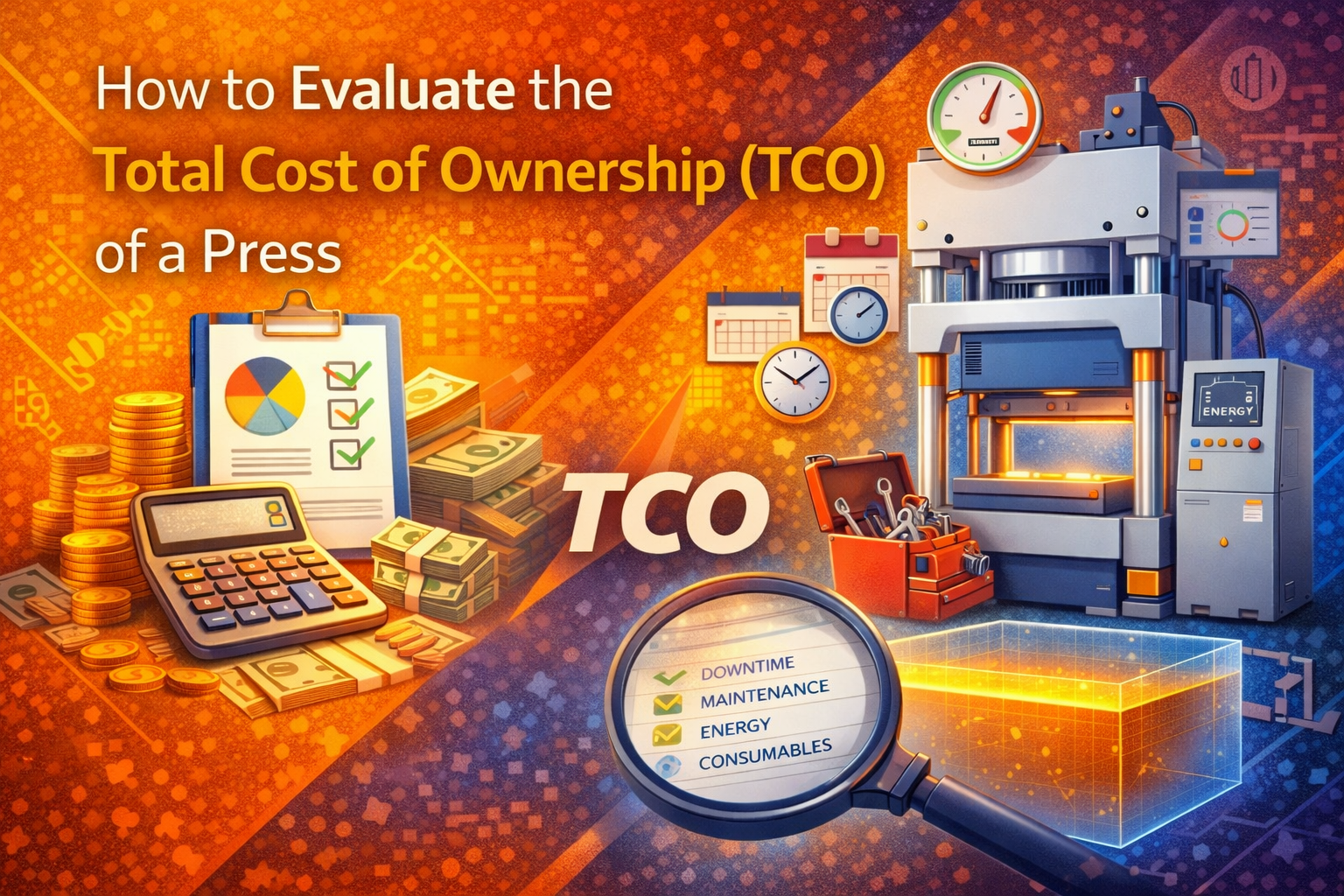
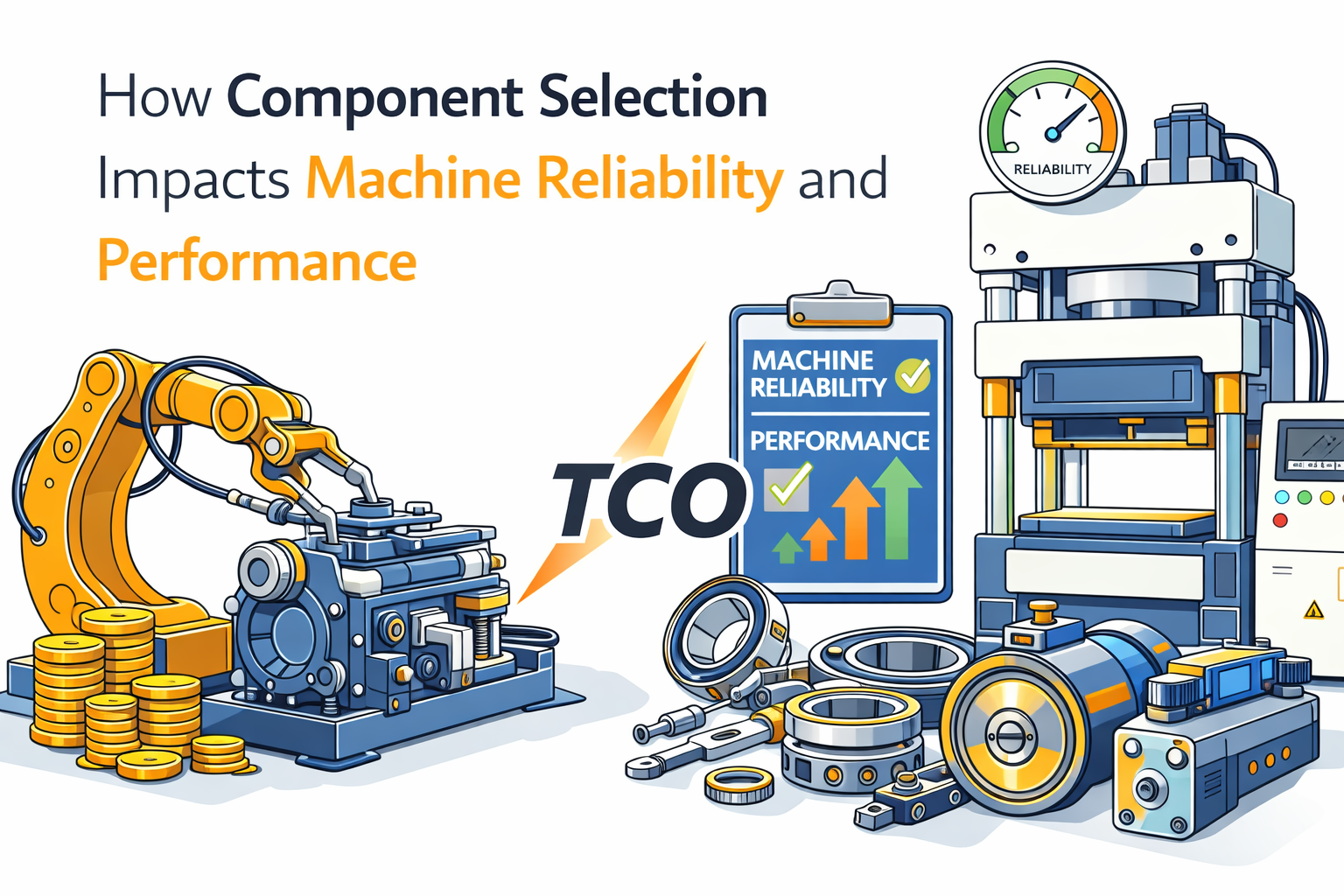
In the competitive landscape of modern sheet metal fabrication, the acquisition of a new press—whether a hydraulic press brake, a servo-electric model, or a high-speed stamping press—represents one of the most significant capital investments a facility will ever undertake. However, a common pitfall for many procurement managers and factory owners is focusing exclusively on the initial purchase price, often referred to as Capital Expenditure (CAPEX). This narrow financial perspective ignores the long-term reality of industrial machinery: the purchase price typically accounts for only 20 to 30 percent of the total expenses incurred over the machine’s operational life. To truly understand the impact of a machine on the bottom line, an engineer must analyze the Total Cost of Ownership (TCO).
Evaluating the Total Cost of Ownership of a Press involves a comprehensive analysis of every expenditure from the moment of acquisition through installation, daily operation, routine maintenance, and eventual decommissioning or resale. In high-precision environments, the Operating Expenses (OPEX)—including energy consumption, labor, and tooling—can quickly surpass the initial sticker price. By applying a technical TCO framework, stakeholders can identify which technology offers the best return on investment (ROI) and ensures that a lower upfront cost does not evolve into a long-term financial burden due to inefficiency, high scrap rates, or frequent downtime.
Understanding the Basics of Press TCO
The Total Cost of Ownership is a financial estimate intended to help buyers and owners determine the direct and indirect costs of a product or system. In the context of industrial presses, it is the sum of the purchase price plus the costs of operation across the equipment’s useful life. Understanding TCO requires shifting from a ‘price-tag’ mindset to a ‘lifecycle’ mindset. This means calculating not just what you pay the manufacturer today, but what you pay the utility company, the maintenance staff, and the tooling suppliers over the next ten to fifteen years.
A press that costs 20 percent more upfront but operates with 50 percent higher energy efficiency and 30 percent lower maintenance requirements will almost always provide a lower TCO over a five-year horizon than a cheaper, less efficient alternative.
The components of TCO are generally categorized into three phases: Acquisition, Operation, and Disposition. Acquisition includes the machine cost, shipping, foundation preparation, and training. Operation includes energy, consumables (like hydraulic oil), labor, tooling, and unplanned downtime. Disposition involves the potential resale or salvage value of the machine at the end of its service life in your facility. A failure to account for any of these variables results in an incomplete financial picture that can compromise the factory’s profitability.
Why the Total Cost of Ownership of a Press Matters
In sheet metal fabrication, profit margins are often dictated by the cost per part. If the Total Cost of Ownership of a Press is higher than anticipated, the cost per part rises, making the firm less competitive. Precision is another critical factor; a machine with a high TCO due to poor build quality may produce parts with lower repeatability, leading to higher scrap rates and secondary rework costs. Furthermore, as global energy prices fluctuate, the energy component of TCO has become a dominant factor in machine selection. For example, a servo-electric press brake may have a higher CAPEX than a hydraulic equivalent, but its TCO may be significantly lower in regions with high electricity costs due to its ‘power-on-demand’ architecture.
Key Factors in Evaluating the Total Cost of Ownership of a Press
When conducting a technical evaluation of a press, several critical factors must be quantified to arrive at an accurate TCO figure. These factors include:
- Energy Efficiency: Hydraulic systems often consume power even when idling, whereas servo-electric systems only consume significant energy during the actual stroke.
- Maintenance and Consumables: Hydraulic presses require regular oil changes, filter replacements, and seal inspections. Mechanical or electric presses have different requirements, such as gear lubrication or belt tensioning.
- Tooling and Setup Time: The compatibility of the press with high-end tooling and the speed of the backgauge system directly affect setup times, which is a major labor cost component.
- Floor Space: The physical footprint of the machine and its peripheral equipment (coolers, hydraulic units) carries an implicit cost related to facility overhead.
- Planned vs. Unplanned Downtime: A machine’s Mean Time Between Failures (MTBF) and the availability of local technical support can dramatically alter the TCO by preventing costly production halts.
Technical Formula for the Total Cost of Ownership of a Press
To provide a rigorous engineering basis for decision-making, we use a standardized formula to calculate TCO. The following formula represents the cumulative cost over a defined period of n years:
TCO = C + (E × n) + (M × n) + (L × n) + (T × n) – S
Where the parameters are defined as:
- C (CAPEX): Initial purchase price, including shipping, installation, and initial training.
- E (Energy): Annual energy cost based on expected duty cycle and local kWh rates.
- M (Maintenance): Annual cost of parts, service contracts, and consumables (oil, filters).
- L (Labor): Annual operator cost, including benefits and overhead.
- T (Tooling): Annual expenditure for new or replacement tooling and wear items.
- S (Salvage): Estimated resale value of the equipment at year n.
- n: The number of years in the evaluation period (typically 5, 10, or 15).
For a practical example, consider a 100-ton hydraulic press brake vs. a 100-ton electric press brake over a 10-year period. While the electric model might be 25 percent more expensive to buy, the energy savings (often 60 percent or more) and the lack of hydraulic oil maintenance can shift the TCO in its favor by year four or five.
Comparing Technologies: Impact on the Total Cost of Ownership of a Press
The choice between hydraulic, electric, and hybrid technology is the most significant driver of TCO variability. The following table compares the typical cost profiles of these technologies:
| Cost Factor | 유압 프레스 | Servo-Electric Press | Hybrid Press |
|---|---|---|---|
| Initial Purchase (CAPEX) | Lower | Higher | Moderate to High |
| Energy Consumption | High (Idles constantly) | Low (Power on demand) | Moderate |
| Maintenance Intensity | High (Fluid changes/leaks) | Low (Mechanical focus) | Moderate |
| Precision/Repeatability | Standard | Very High | High |
| Life Expectancy | 15-20 Years | 10-15 Years | 15-20 Years |
As seen in the comparison, hydraulic presses remain attractive for high-tonnage applications where the initial cost is the primary barrier, but for precision, high-speed work, the electric and hybrid models often offer a more compelling TCO due to lower operating costs and higher throughput.
Step-by-Step Guide to Calculating TCO
To perform a professional evaluation, follow these sequential steps:
- Data Collection: Gather quotes for the machine, shipping, and installation. Request the average power consumption (kW) for both idle and peak operation from the manufacturer.
- Define the Duty Cycle: Estimate how many hours per day the machine will run and the average number of strokes per hour. This is essential for energy and maintenance calculations.
- Estimate Labor Costs: Determine the hourly rate of the operator. Factor in setup time, as a machine with a faster CNC system or automated tool changer will reduce this cost significantly.
- Project Maintenance Costs: Consult the service manual for recommended oil change intervals and part replacement schedules. Factor in the cost of a technician’s visit.
- Calculate Scrap Rates: Higher precision machines reduce scrap. Estimate the annual cost of wasted material for a lower-precision machine vs. a higher-precision one.
- Determine Salvage Value: Research the secondary market for the specific brand. Premium brands tend to hold 40 to 60 percent of their value, whereas budget brands may drop to 10 to 20 percent.
- Aggregate and Compare: Plug all values into the TCO formula to see the total financial impact over the expected life of the machine.
Common Mistakes to Avoid
Even experienced engineers can make errors when evaluating the Total Cost of Ownership of a Press. One of the most common mistakes is ignoring the ‘Hidden Cost of Downtime.’ If a machine breaks down, the cost is not just the repair bill; it is the lost revenue from every hour that machine is not producing parts. Another mistake is underestimating the cost of hydraulic oil disposal, which is subject to strict environmental regulations and increasing fees.
Avoid the ‘Cheap Machine Trap.’ A machine with a low purchase price often utilizes generic components that are harder to source five years down the line, leading to extended downtime that wipes out any initial savings.
Furthermore, many buyers fail to consider ‘Tooling Compatibility.’ If a new press requires an entirely new set of proprietary tools rather than using the factory’s existing inventory, that cost must be added to the CAPEX, drastically changing the TCO.
Industry Applications and Scenario Analysis
The weight of different TCO factors shifts depending on the industry. In the Aerospace Industry, where material costs are extremely high, the precision and scrap-reduction capabilities of a high-end press are the most critical TCO factors. A machine that prevents the scrap of a single titanium component can pay for its price delta in one day. In Automotive High-Volume Stamping, energy efficiency and stroke-per-minute (SPM) speed are the dominant factors, as labor and energy are amortized over millions of parts. For a General Job Shop, flexibility and setup time are the key drivers, as they switch between many small batches every day.
Conclusion: Making a Data-Driven Investment
Evaluating the Total Cost of Ownership of a Press is not merely a financial exercise; it is a strategic engineering necessity. By looking beyond the initial purchase price and quantifying energy, maintenance, labor, and resale value, fabricators can make informed decisions that safeguard their long-term profitability. Whether you choose a robust hydraulic workhorse or a high-efficiency servo-electric system, the goal remains the same: minimizing the lifetime cost per part while maximizing machine uptime and precision. For any modern manufacturing facility, the TCO model is the only reliable way to ensure that today’s investment does not become tomorrow’s liability.
자주하는 질문
How does energy consumption affect the Total Cost of Ownership of a Press?
Energy consumption is a major recurring cost. Hydraulic presses consume significant power even when idling to maintain pressure, while servo-electric presses use energy only during the stroke, potentially reducing energy costs by up to 70 percent depending on the duty cycle.
What is the impact of tooling compatibility on TCO?
Tooling compatibility affects both the initial CAPEX and operational labor costs. If a press is compatible with existing tools, the initial investment is lower. High-quality precision tooling also reduces setup times and scrap, which are critical components of long-term TCO.
Why should salvage value be included in the TCO calculation?
Salvage value acts as a credit at the end of the machine’s life. Premium brands with high reliability maintain a much higher resale value, effectively lowering the total lifecycle cost compared to cheaper machines that have little to no resale value.
How does maintenance frequency differ between hydraulic and electric presses?
Hydraulic presses require regular oil changes, filter replacements, and seal maintenance to prevent leaks. Electric presses have fewer consumables but require inspection of mechanical drive components like ball screws or belts, generally resulting in lower overall maintenance costs.
Can software integration lower the long-term costs of a press?
Yes, advanced offline programming and simulation software reduce the time the machine spends ‘idle’ during setup and minimize trial-and-error scrap, which significantly lowers the labor and material waste components of TCO.