













Problemas comuns em prensas hidráulicas e como resolvê-los: Guia especializado

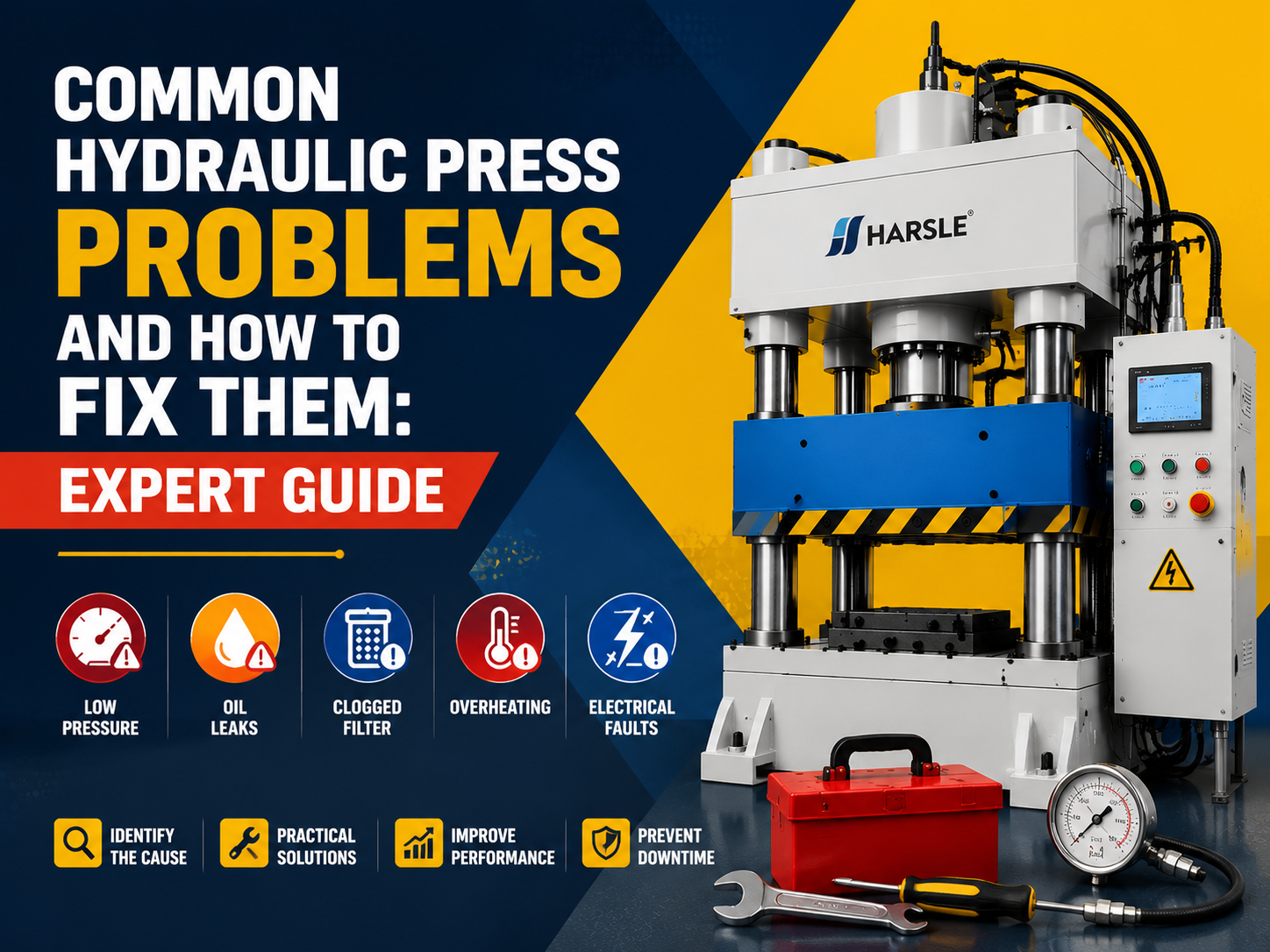
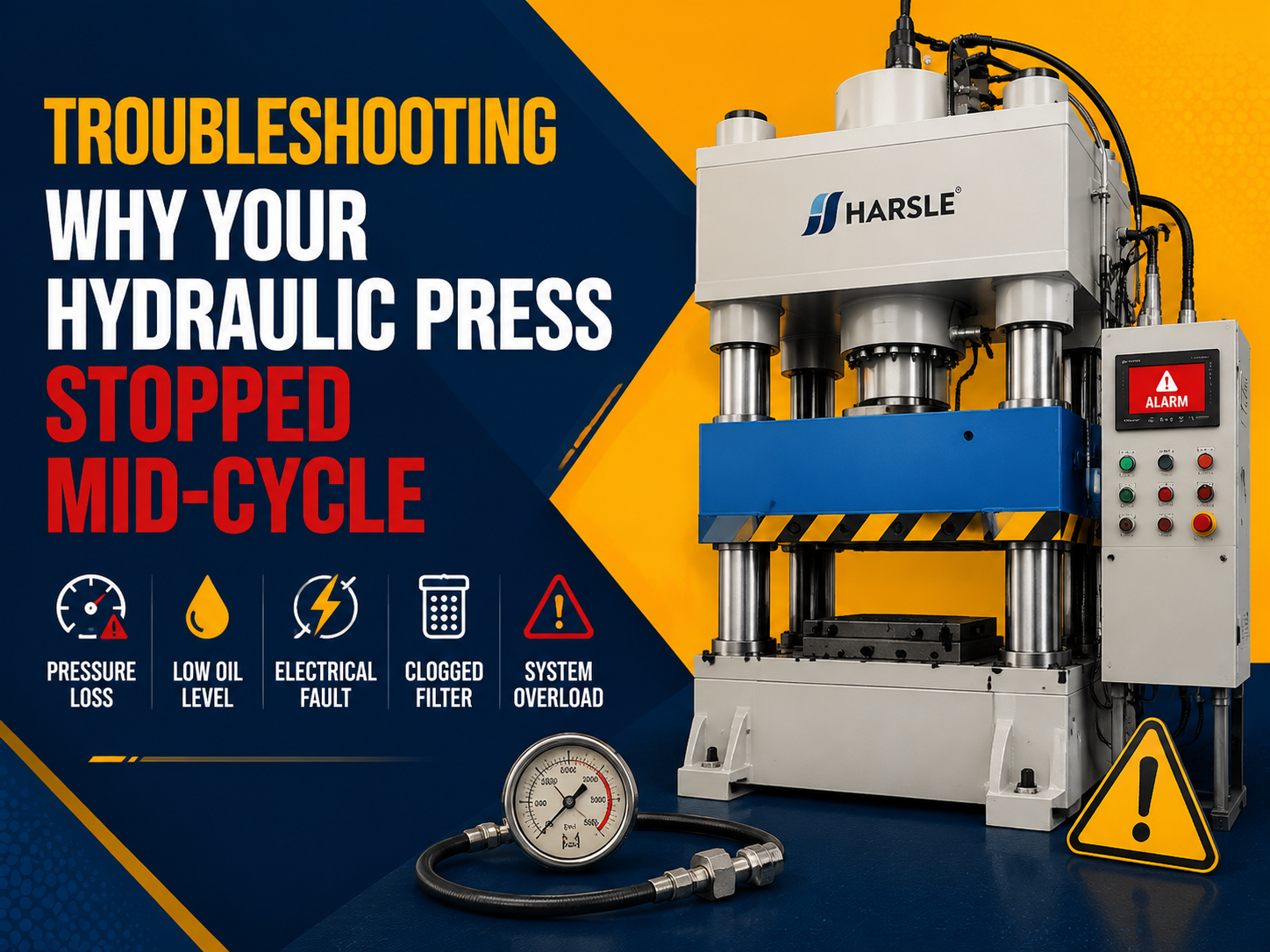
Hydraulic presses are the backbone of modern industrial fabrication, providing the immense force necessary for deep drawing, stamping, and forging. These machines rely on the precise movement of fluid under high pressure to deliver consistent results. However, even the most robust industrial presses are subject to wear, contamination, and mechanical fatigue. Understanding Common Hydraulic Press Problems and How to Fix Them is an essential skill for maintenance engineers and plant managers who must maintain high OEE (Overall Equipment Effectiveness) in competitive manufacturing environments. When a press fails, it is rarely a sudden event; rather, it is usually the result of a gradual degradation of components like seals, valves, or pumps. By identifying these issues early, facilities can prevent catastrophic failures that lead to expensive repairs and significant production delays. This guide provides a professional engineering perspective on diagnosing and resolving the most frequent challenges encountered in hydraulic press operation.
Understanding the Basics of Hydraulic Systems
To effectively troubleshoot a hydraulic press, one must first understand the underlying physical principles. Hydraulic systems operate based on Pascal’s Law, which states that pressure exerted anywhere in a confined incompressible fluid is transmitted equally in all directions throughout the fluid. In a press, this is utilized by using a small pump to move fluid into a large cylinder, multiplying the input force by the ratio of the areas of the pistons. The system consists of four primary groups: the power unit (pump and motor), the control system (valves), the actuators (cylinders), and the fluid medium (hydraulic oil). Each of these groups must work in harmony. The pump converts mechanical energy into hydraulic energy, while valves regulate the flow and pressure, and the cylinder converts that hydraulic energy back into linear mechanical force. Any deviation in fluid temperature, viscosity, or cleanliness disrupts this transfer of energy, leading to the common hydraulic press problems we see on the shop floor.
Reliability in hydraulic machinery is not a product of luck; it is the result of rigorous fluid management and a deep understanding of pressure dynamics.
Why Solving Common Hydraulic Press Problems Matters
In a sheet metal fabrication environment, precision is paramount. A hydraulic press that cannot maintain consistent pressure will produce parts with varying thicknesses or incorrect bend angles, leading to high scrap rates. Beyond quality control, addressing Common Hydraulic Press Problems and How to Fix Them is a critical safety concern. High-pressure hydraulic systems store massive amounts of energy; a burst hose or a failing valve can lead to dangerous oil sprays or unexpected ram movements. Furthermore, from a financial standpoint, the cost of unplanned downtime often far exceeds the cost of the replacement parts themselves. For instance, a failing 400-ton press in an automotive stamping line can cost thousands of dollars per hour in lost productivity. Maintaining the integrity of the hydraulic circuit ensures that the machine operates within its design parameters, extending the lifespan of expensive components like piston pumps and proportional valves.
Key Factors to Consider in Press Troubleshooting
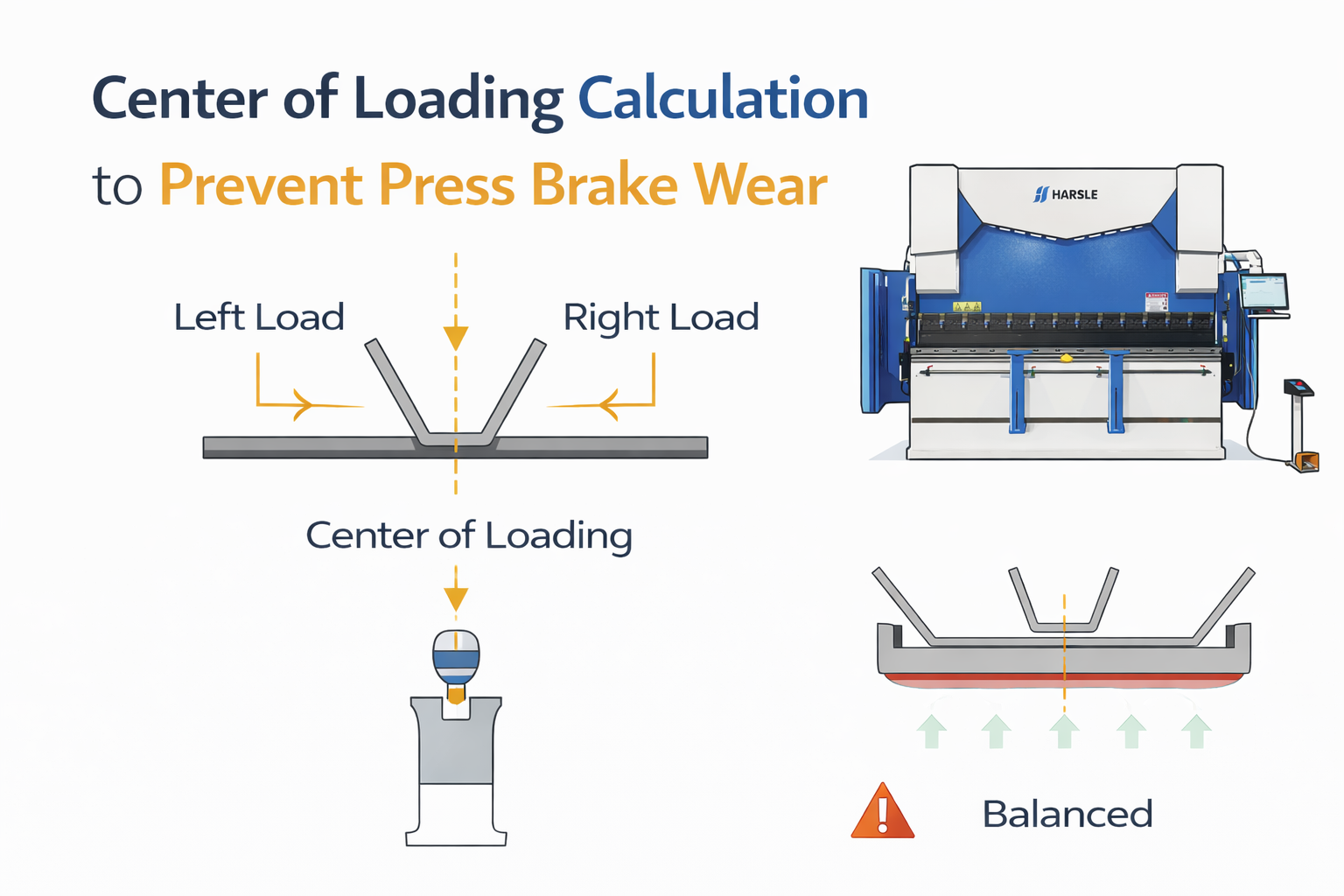
When approaching a malfunctioning press, engineers must evaluate several key factors that influence system performance. First is fluid condition: over 70 percent of hydraulic failures are attributed to oil contamination. Particles can score cylinder walls and jam valve spools. Second is temperature regulation: hydraulic oil is designed to operate within a specific temperature range, typically 110 to 140 degrees Fahrenheit. If the oil becomes too hot, its viscosity drops, leading to increased internal leakage and accelerated wear. Third is the integrity of the seals: seals are the primary barrier between the pressurized fluid and the atmosphere. Even a minor leak can introduce air into the system, leading to aeration and cavitation. Finally, mechanical alignment must be checked; if the ram is not perfectly aligned with the bed, it creates side-loading on the cylinders, which quickly destroys internal bushings and seals.
Technical Explanation of Pressure and Force Calculations
Determining whether a press is performing to its specifications requires a basic application of hydraulic formulas. The most fundamental calculation is the relationship between force, pressure, and area. The formula is: F = P * A. In this equation, F represents the force (often converted to tons), P is the gauge pressure (PSI or bar), and A is the effective area of the cylinder piston (square inches or square centimeters). If a press is rated for 200 tons but is failing to punch through a standard workpiece, an engineer must check if the pump is reaching the required PSI or if internal bypass is reducing the effective force. Another critical calculation involves the flow rate (Q), which determines the speed of the ram: Q = v * A, where v is the velocity of the piston. A sudden decrease in ram speed without a corresponding pressure drop usually indicates a failing pump or a restricted suction line. Understanding these mathematical relationships allows a technician to use gauges and flow meters to pinpoint exactly where energy is being lost within the circuit.
Comparison of Hydraulic Components and Failure Patterns
Different types of hydraulic components exhibit different failure modes. Understanding these differences is crucial for rapid diagnosis. The following table compares the two most common types of pumps used in industrial presses.
| Component Type | Typical Application | Common Failure Mode | Diagnostic Symptom |
|---|---|---|---|
| Gear Pump | Low to medium pressure presses | Internal gear wear/housing scoring | Gradual loss of pressure as oil warms up |
| Vane Pump | High speed, medium pressure | Vane sticking or spring fatigue | Excessive high-pitched whining noise |
| Piston Pump | High pressure, variable flow | Piston shoe wear or swashplate damage | Severe vibration and fluctuating pressure |
As seen in the comparison, the choice of pump significantly alters the troubleshooting path. Piston pumps are more efficient but are much more sensitive to fluid contamination than gear pumps. Identifying the component type is the first step in diagnosing Common Hydraulic Press Problems and How to Fix Them.
Step-by-Step Guide to Diagnosing Common Hydraulic Press Problems
Systematic troubleshooting is the only way to avoid ‘parts swapping,’ which is both expensive and ineffective. Follow these steps to diagnose a failing press. Step 1: Visual Inspection. Check for external leaks around hoses, fittings, and cylinder glands. Look at the oil level and clarity in the sight glass. Step 2: Temperature Check. Use an infrared thermometer to scan the pump, the tank, and the relief valves. A valve that is significantly hotter than the surrounding lines is likely bypassing fluid internally. Step 3: Acoustic Analysis. Listen for cavitation, which sounds like marbles rattling inside the pump, or aeration, which produces a consistent growling sound. Step 4: Pressure Testing. Install calibrated gauges at various points: the pump outlet, before the manifold, and at the cylinder ports. This isolates whether the pressure drop is occurring at the source or within the control valves. Step 5: Check the Cycle Time. Use a stopwatch to measure the ram’s advance, press, and return speeds. Compare these to the machine’s original factory specifications to identify flow restrictions.
Cavitation is the silent killer of hydraulic pumps; by the time you hear it, the damage to the internal surfaces is often already irreversible.
Common Mistakes to Avoid in Hydraulic Maintenance
One of the most frequent mistakes maintenance teams make is over-tightening hydraulic fittings to stop a leak. This often deforms the flare or the O-ring, making the leak worse or causing the fitting to crack under pressure. Another error is the ‘one size fits all’ approach to hydraulic oil. Using oil with the wrong viscosity index can lead to pump cavitation in cold starts or excessive thinning at operating temperatures. Furthermore, many operators ignore the ‘clogged filter’ indicator light, assuming the bypass valve will protect the system. While the bypass prevents the filter from bursting, it allows unfiltered oil to circulate through sensitive proportional valves, leading to catastrophic failure. Finally, never overlook the electrical side of the system; a ‘hydraulic’ problem is often actually a failing solenoid or a loose wire in the PLC (Programmable Logic Controller) output module.
Industry Applications and Equipment Performance
Hydraulic presses are utilized across diverse sectors, each presenting unique challenges. In the automotive industry, presses are used for high-volume body panel stamping where cycle time is critical. Here, overheating is the most common issue due to the continuous high-speed operation. In the aerospace sector, precision is the priority; presses used for forming titanium components must maintain exact tonnages for extended dwell times. In these applications, internal cylinder leakage is the primary concern, as it causes ‘creep’ or a loss of holding force. Regardless of the industry, the principles of addressing Common Hydraulic Press Problems and How to Fix Them remain the same: maintain fluid cleanliness, monitor heat, and ensure that the mechanical and hydraulic systems are perfectly synchronized. Regular preventive maintenance (PM) schedules, including oil analysis and seal replacement, can extend the life of a press by decades.
Conclusão
Mastering the art of troubleshooting hydraulic machinery requires a blend of theoretical knowledge and practical experience. By focusing on the fundamentals of pressure, flow, and fluid condition, maintenance professionals can effectively manage Common Hydraulic Press Problems and How to Fix Them before they escalate into major failures. The key to longevity in sheet metal fabrication equipment lies in a proactive approach—treating the hydraulic system as a precision instrument rather than just a source of brute force. Implementing regular oil testing, keeping cooling systems clean, and training operators to recognize early warning signs like unusual noises or heat will ensure that your hydraulic press remains a reliable and productive asset for years to come.
Perguntas frequentes
Why is my hydraulic press losing pressure?
Pressure loss is typically caused by internal leakage in the cylinder seals, a malfunctioning or improperly set relief valve, or excessive wear in the hydraulic pump. Start by checking the relief valve for debris and inspecting the cylinder for bypassing fluid.
What causes a hydraulic pump to make a loud whining noise?
A loud whining or growling noise is usually a sign of aeration or cavitation. Aeration occurs when air enters the suction line, while cavitation happens when the pump is starved of oil. Check for leaks in the intake hose or a clogged suction strainer.
How often should I change the hydraulic oil in my press?
Most manufacturers recommend changing oil every 2,000 to 4,000 operating hours. However, a better approach is to perform annual oil analysis to check for oxidation, additive depletion, and contamination levels before deciding on a change.
Why is the hydraulic oil in my system overheating?
Overheating is often caused by the system operating at a higher pressure than necessary, leading to energy being converted into heat. Other causes include a dirty oil cooler, a failing pump, or a relief valve that is stuck partially open.
What are the signs of failing cylinder seals?
The most obvious sign is external oil leaking from the rod gland. Internal seal failure is indicated by ‘drift,’ where the ram slowly moves down when it should be holding position, or by a loss of total pressing force during the cycle.