













Ghidul suprem pentru mașinile de tăiat cu laser


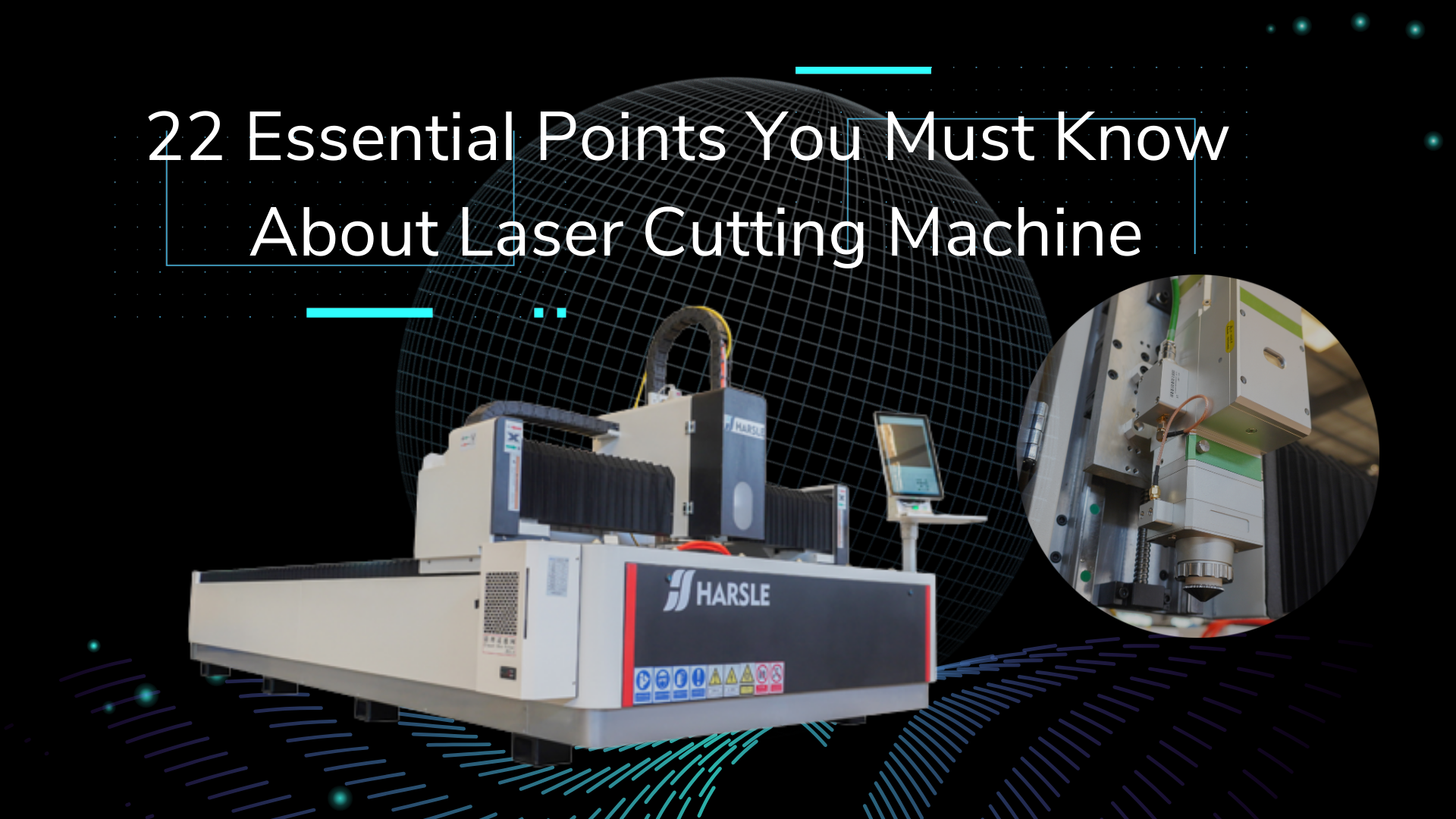
Laser cutting machines have revolutionized the world of manufacturing and fabrication with their precision, versatility, and efficiency. Using the power of focused laser beams, these machines are capable of precisely cutting through a wide range of materials, including metal, wood, acrylic, and more.
The process involves directing the laser beam onto the surface of the material, which melts, burns, or vaporizes it, creating intricate and accurate cuts. Laser cutting machines offer numerous advantages over traditional cutting methods, such as mechanical cutting or plasma cutting, including minimal material waste, high cutting speed, and the ability to create complex designs with intricate details.
These machines find applications in various industries, from automotive and aerospace to electronics, signage, and even medical devices. With their ability to achieve unparalleled precision and versatility, laser cutting machines continue to push the boundaries of what’s possible in modern manufacturing.

How Laser Cutting Works
Laser cutting is a highly precise and efficient method of cutting through various materials with the use of a focused laser beam. The process begins with a laser cutting machine, which consists of several key components. The heart of the machine is the laser source, which emits a concentrated beam of light. The most common types of lasers used in laser cutting are CO2 lasers and fiber lasers.
The laser beam is directed through a series of mirrors and lenses, which focus it into a small, intense spot. This focused beam is then aimed at the material to be cut. As the laser beam makes contact with the surface, it delivers a high amount of energy, causing the material to heat up rapidly.
Depending on the type of material, different reactions occur. For metals, the laser’s intensity melts and vaporizes the material, while for non-metals, such as wood or acrylic, the laser beam causes the material to burn and vaporize.
To guide the laser and achieve precise cuts, CNC (Computer Numerical Control) technology is employed. The laser cutting machine is programmed with the desired shape or pattern, and the CNC system controls the movement of the laser beam along the material’s surface, following the programmed path.
The intense heat from the laser beam melts or vaporizes the material along the cutting path, creating a narrow and precise cut. The focused laser beam allows for minimal heat transfer to the surrounding material, minimizing the risk of distortion or damage to the workpiece.
In addition to cutting, laser cutting machines can also perform other operations such as engraving, etching, and marking by adjusting the laser’s power and intensity.
Overall, laser cutting offers numerous advantages, including high precision, speed, versatility, and the ability to cut a wide range of materials. It has become an essential technology in various industries, from manufacturing and automotive to jewelry making and architectural design, enabling the production of intricate and complex shapes with remarkable accuracy.

Types of Laser Cutting Machines
Laser cutting machines have become indispensable tools in the world of manufacturing and fabrication, offering precise and efficient cutting capabilities. Several types of laser cutting machines are available, each with unique characteristics and suitability for different applications. Let’s explore the most common types of laser cutting machines and their key features:
CO2 Laser Cutting Machines: CO2 laser cutting machines utilize a carbon dioxide gas mixture as the laser source. They are highly versatile and suitable for cutting a wide range of materials, including acrylic, wood, plastics, textiles, and non-ferrous metals. CO2 lasers are known for their high beam quality, excellent cutting speed, and ability to produce smooth edges. These machines are widely used in industries such as signage, woodworking, and advertising.
Fiber Laser Cutting Machines: Fiber laser cutting machines employ a solid-state laser source, typically a fiber optic cable doped with rare-earth elements such as erbium, ytterbium, or neodymium. They are specifically designed for cutting metals, including stainless steel, aluminum, brass, and copper. Fiber lasers offer high cutting speeds, exceptional precision, and superior energy efficiency. They are commonly used in industries such as automotive, aerospace, and metal fabrication.
Nd: YAG Laser Cutting Machines: Nd: YAG (neodymium-doped yttrium aluminum garnet) laser cutting machines are capable of cutting both metal and non-metal materials. These machines use a crystal as the laser source, which generates a high-intensity laser beam. Nd: YAG lasers are known for their versatility, reliability, and ability to deliver high-quality cuts on materials such as steel, titanium, ceramics, and plastics. They find applications in industries ranging from jewelry making to medical device manufacturing.
.jpg)
CO2 and Fiber Hybrid Laser Cutting Machines: Hybrid laser cutting machines combine the capabilities of CO2 and fiber lasers in a single system. This configuration allows for increased flexibility, enabling the machine to handle a wider range of materials. Hybrid laser cutting machines are ideal for applications where both metal and non-metal materials need to be processed, providing the benefits of both laser types in a single setup.
When selecting a laser cutting machine, several factors should be considered, including the type of materials to be cut, desired cutting speed, thickness requirements, and budgetary considerations. It is essential to choose a machine that aligns with the specific needs of the intended application to ensure optimal performance and productivity.
In conclusion, laser cutting machines come in various types, each designed to cater to specific materials and applications. Whether it’s CO2 lasers for versatile non-metal cutting, fiber lasers for efficient metal cutting, Nd: YAG lasers for a wide range of materials, or hybrid machines for flexibility, the right choice depends on the requirements of the manufacturing process. With their remarkable precision, speed, and versatility, laser cutting machines continue to push the boundaries of what’s possible in modern fabrication and play a vital role in various industries worldwide.
Applications of Laser Cutting Machines
Laser cutting machines have become a cornerstone technology in the manufacturing and fabrication industry, enabling precise and intricate cutting operations with remarkable efficiency. Their versatility and ability to work with a wide range of materials have led to their widespread adoption in various industries. Let’s delve into the diverse applications where laser cutting machines excel:
Metal Fabrication and Manufacturing: Laser cutting machines have transformed metal fabrication processes by offering exceptional precision and speed. They are widely used in the production of metal components, such as automobile parts, aerospace components, and machinery. From intricate designs to complex shapes, laser cutting machines ensure accurate and clean cuts on materials like steel, aluminum, copper, and brass.
Automotive Industry: Laser cutting machines play a vital role in the automotive sector. They are utilized for cutting and shaping various components, including body panels, chassis parts, engine mounts, and exhaust systems. Laser cutting’s high precision and speed contribute to efficient production and assembly processes, while its ability to create complex designs facilitates customization and innovation in vehicle manufacturing.
Electronics and Semiconductor Industry: Laser cutting machines are indispensable in the electronics and semiconductor industry for manufacturing circuit boards, microelectronic components, and delicate electronic devices. They provide precise cutting of thin materials like PCBs (printed circuit boards) and intricate patterns on fragile substrates. Laser cutting ensures clean edges, minimal heat-affected zones, and high repeatability, enabling the production of reliable electronic products.

Signage and Advertising: Laser cutting machines are extensively used in the signage and advertising industry to create eye-catching displays, logos, and lettering. They allow for the precise cutting of various materials, including acrylic, wood, foam, and PVC. Laser cutting machines offer the flexibility to produce intricate designs and smooth, polished edges, resulting in visually appealing and professional signage.
Medical Devices and Equipment: Laser cutting machines are vital in the manufacturing of medical devices and equipment, where precision and cleanliness are paramount. They are utilized for cutting and shaping components like stents, surgical instruments, implants, and medical tubing. Laser cutting ensures sterile and accurate cuts with minimal thermal damage, meeting the stringent requirements of the medical industry.
Architectural and Interior Design: Laser cutting machines find extensive use in architectural and interior design applications. They allow for the creation of intricate patterns, decorative elements, and custom designs on materials like wood, acrylic, glass, and leather. Laser cutting enables precise detailing, enabling designers to realize complex and aesthetically pleasing structures and furnishings.
Textile and Fashion Industry: Laser cutting machines have revolutionized textile and fashion manufacturing by providing precise and intricate cutting of fabrics and textiles. They enable the production of unique and complex patterns, appliques, and embellishments on various materials, including silk, leather, denim, and synthetic fabrics. Laser cutting enhances the efficiency of textile production and offers endless possibilities for creativity and customization.
In conclusion, laser cutting machines have found their way into numerous industries, revolutionizing manufacturing and fabrication processes. Their ability to deliver precision, speed, and versatility has made them indispensable tools for cutting and shaping a wide range of materials. From metal fabrication and automotive manufacturing to electronics, signage, and medical devices, laser cutting machines continue to unleash innovation, efficiency, and unmatched quality in diverse industries worldwide.
Future Trends in Laser Cutting
Laser cutting technology has continuously evolved, pushing the boundaries of precision and efficiency in manufacturing and fabrication processes. As industries seek to optimize their production capabilities, several future trends are emerging in laser cutting that promises to revolutionize the field even further. Let’s explore these exciting advancements that are shaping the future of laser cutting:
Increased Power and Speed: The demand for faster and more efficient laser cutting machines is driving advancements in power and speed. Laser sources with higher wattage and improved beam quality are being developed, enabling faster cutting speeds while maintaining exceptional precision. Increased power levels also allow for cutting thicker and denser materials, expanding the range of applications and materials that can be processed.
Integration of Automation and Robotics: Automation and robotics are set to transform the laser cutting landscape. Integration of laser cutting machines with robotic arms and automated material handling systems allows for seamless and continuous operations. This integration enhances productivity, reduces manual labor, and enables lights-out manufacturing, where production can run 24/7 with minimal human intervention.
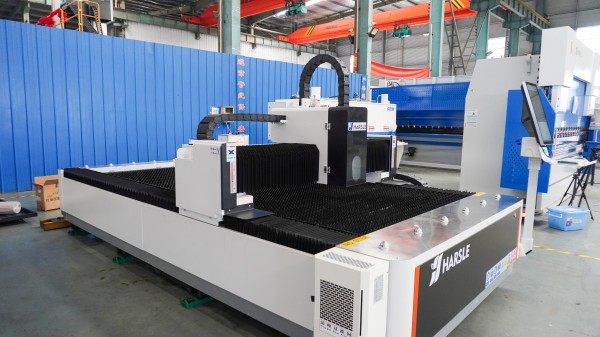
Intelligent and Adaptive Systems: The advent of artificial intelligence (AI) and machine learning (ML) is revolutionizing laser cutting. Intelligent systems can analyze and optimize cutting paths, material properties, and machine parameters in real time. These adaptive systems can make dynamic adjustments during cutting, resulting in improved precision, reduced waste, and enhanced efficiency. AI and ML also enable predictive maintenance, ensuring optimal machine performance and minimizing downtime.
Advanced Sensor Technologies: Laser cutting machines are increasingly incorporating advanced sensor technologies for real-time monitoring and feedback. Optical sensors, thermal cameras, and vision systems provide precise measurements, detect anomalies, and monitor the cutting process for quality control. These sensors enable automatic adjustments and ensure consistent and accurate cuts, leading to enhanced overall product quality.
Integration with Industry 4.0: The concept of Industry 4.0, characterized by the integration of digital technologies in manufacturing, is shaping the future of laser cutting. Laser cutting machines are being connected to networked systems, enabling data exchange, remote monitoring, and control. This connectivity facilitates seamless integration with other production processes, such as CAD/CAM software, supply chain management, and quality control systems, optimizing the entire manufacturing ecosystem.
Expanded Material Capabilities: Laser cutting is expanding its capabilities to a broader range of materials. Traditional materials like metals, plastics, and wood continue to be refined, but laser cutting is also making significant progress in cutting non-traditional materials such as ceramics, composites, and even biological tissues. This diversification opens up new opportunities across industries, from aerospace and healthcare to electronics and art.
Micro and Nano Laser Cutting: The demand for miniaturization is driving the development of micro and nano laser cutting techniques. These ultra-precise cutting methods are used in fields like microelectronics, biomedical engineering, and photonics. Micro and nanolaser cutting enables the production of intricate and delicate structures with micron-level accuracy, paving the way for advanced miniaturized devices and components.
In conclusion, the future of laser cutting is marked by exciting advancements that promise to revolutionize manufacturing processes. Increased power and speed, integration of automation and robotics, intelligent systems, advanced sensors, Industry 4.0 integration, expanded material capabilities, and micro/nano laser cutting are among the trends that will shape the industry. As these advancements continue to unfold, laser cutting will unlock new levels of precision, efficiency, and innovation, driving the manufacturing industry towards a more productive and sustainable future.