












10 běžných chyb hydraulických lisů a jak se jim vyhnout


Hydraulické lisy are essential machines in industries like metal forming, automotive, aerospace, and plastic molding. They deliver immense force through hydraulic fluid, enabling precise cutting, forming, and molding operations. However, like any complex machinery, hydraulic presses can encounter operational issues that compromise performance, safety, and longevity. Understanding common errors and how to avoid them can help operators maintain the press’s efficiency while reducing costly downtime and repairs.
In this article, we will explore the 10 most common hydraulic press errors and provide actionable tips on how to prevent them.
1. Incorrect Pressure Settings
The Issue:
One of the most frequent errors when using a hydraulický lis is setting the incorrect pressure. Every application requires a specific amount of pressure to form, cut, or shape the material properly. Setting the pressure too high can damage both the machine and the workpiece, while too low a setting might result in incomplete or poor-quality results.
How to Avoid:
- Understand Material Requirements: Different materials require different levels of force. Familiarize yourself with the specifications of the material being used and adjust pressure settings accordingly.
- Use Proper Tools: Ensure that your hydraulic press has an accurate pressure gauge or digital readout that allows you to monitor and set the appropriate pressure.
- Perform Regular Calibration: Calibrate your press periodically to ensure that the pressure settings are accurate and reliable.
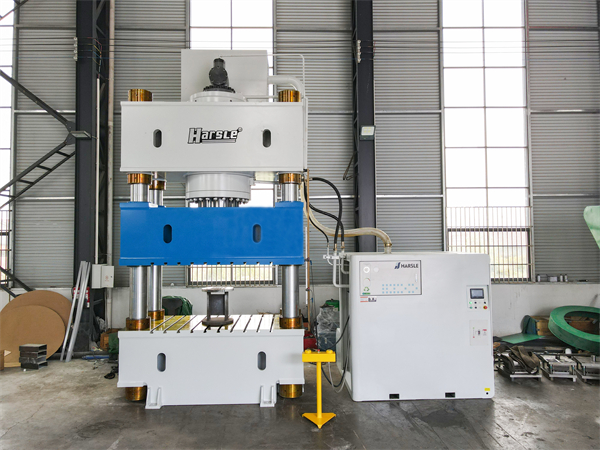
2. Insufficient Lubrication
The Issue:
Hydraulic presses rely on various moving parts to operate smoothly. Without proper lubrication, friction increases, leading to wear and tear, overheating, and eventual machine breakdowns. Lack of lubrication also accelerates the deterioration of seals and bearings.
How to Avoid:
- Follow the Manufacturer’s Guidelines: Always use the recommended lubricants as specified in the machine manual. Using improper lubricants can harm the machine components.
- Establish a Lubrication Schedule: Regularly check and apply lubricant to key moving parts such as the cylinder, ram, and guide rails.
- Monitor Lubricant Quality: Over time, lubricants can degrade and become contaminated with debris. Make it a point to check the condition of the lubricant and replace it as needed.
3. Improper Alignment of the Workpiece
The Issue:
Incorrect positioning or alignment of the workpiece is a common issue that can lead to uneven pressure distribution, inaccurate forming, or damage to the material. Misalignment increases the risk of breaking tools and causing machine failures.
How to Avoid:
- Use Positioning Tools: Employ fixtures, jigs, or positioning aids to ensure the workpiece is properly aligned before each operation.
- Double-Check Alignment: Make it a habit to visually inspect the workpiece alignment before activating the press.
- Train Operators: Train personnel on the importance of workpiece alignment and how to check for misalignment.

4. Overloading the Press
The Issue:
Exceeding the rated capacity or tonnage of a hydraulic press is a serious mistake that can result in significant damage to the press structure, cylinder, and hydraulic system. Overloading also poses a safety risk to operators.
How to Avoid:
- Know Your Machine’s Limits: Always be aware of the tonnage limits of your hydraulic press and avoid using it for tasks that require more force than it can safely deliver.
- Use Appropriate Presses for the Job: If a task consistently requires higher tonnage, consider using a different press that is designed for higher capacities.
- Install Load Monitors: Some hydraulic presses come with load sensors or overload protection systems. Use these features to prevent accidental overloading.
5. Hydraulic Fluid Contamination
The Issue:
Contaminated hydraulic fluid is one of the most common causes of hydraulic system failures. Dust, dirt, water, or metal particles can enter the hydraulic fluid, causing damage to internal components like pumps, valves, and seals.
How to Avoid:
- Use High-Quality Fluids: Always use the recommended hydraulic fluid grade and ensure it is from a trusted source.
- Regular Fluid Inspections: Check the hydraulic fluid for signs of contamination, such as cloudiness or particles. Change the fluid at regular intervals to keep it clean.
- Install Filters: Make sure the hydraulic system has efficient filters to trap contaminants before they reach critical components. Replace filters regularly as part of your maintenance routine.

6. Seal Wear and Failure
The Issue:
Seals in hydraulic systems are crucial for maintaining pressure and preventing fluid leaks. Over time, seals can wear out due to friction, heat, or chemical exposure. Seal failure leads to pressure loss, leaks, and inefficient press operation.
How to Avoid:
- Regular Seal Inspection: Inspect seals for signs of wear, cracking, or hardening. Replace them immediately if they show any deterioration.
- Use Compatible Seals: Ensure that the seals you use are compatible with the hydraulic fluid and operating temperature of the press.
- Prevent Overheating: Excessive heat accelerates seal degradation, so avoid running the press at extreme temperatures for prolonged periods.
7. Incorrect Tooling Setup
The Issue:
Setting up the wrong tooling for the job can lead to inaccurate results, material damage, and even press breakdowns. Incorrect die, punch, or fixture setup can strain the press beyond its intended capabilities.
How to Avoid:
- Match Tooling to the Task: Make sure the tooling used is appropriate for the material and the operation. Different tasks, such as bending or punching, require specific tooling configurations.
- Follow Manufacturer’s Instructions: Use the tooling recommended by the press manufacturer, and follow their setup instructions for optimal performance.
- Train Operators on Tooling: Proper training on tooling setup and changeover procedures can reduce setup errors and improve press performance.

8. Overheating the Hydraulic System
The Issue:
Hydraulic systems generate heat during operation, and without adequate cooling or ventilation, the system can overheat. Overheating leads to fluid degradation, increased wear on components, and ultimately machine failure.
How to Avoid:
- Monitor Operating Temperature: Use temperature sensors to monitor the hydraulic fluid temperature. If the press regularly overheats, consider installing a cooling system.
- Proper Ventilation: Ensure the press is in a well-ventilated area to allow heat to dissipate naturally. Avoid operating the press in overly hot environments.
- Regular Maintenance of Cooling Systems: If your hydraulic press has a built-in cooling system, regularly check and maintain it to ensure optimal performance.
9. Neglecting Preventative Maintenance
The Issue:
Skipping routine maintenance can lead to accumulated wear, undetected faults, and sudden machine breakdowns. This oversight often results in expensive repairs and extended downtime.
How to Avoid:
- Implement a Maintenance Schedule: Develop and follow a regular maintenance schedule that includes checking hydraulic fluid levels, inspecting seals, testing pressure settings, and cleaning the machine.
- Use Checklists: Keep a detailed checklist of maintenance tasks to ensure that nothing is overlooked during inspections.
- Document Issues: Record any recurring issues or necessary repairs to identify patterns and address underlying causes before they escalate.

10. Ignoring Operator Training
The Issue:
Untrained or under-trained operators are more likely to make critical errors that can lead to accidents, machine damage, and inefficient operation. Lack of training increases the risk of incorrect pressure settings, poor alignment, and mishandling of the equipment.
How to Avoid:
- Comprehensive Operator Training: Provide thorough training for all operators on machine functionality, safety protocols, and common troubleshooting procedures.
- Ongoing Skill Development: Offer refresher courses and additional training as needed, especially when new technologies or features are introduced to the press.
- Supervised Operation: For new operators, supervised operation is crucial until they become proficient in handling the hydraulic press independently.
Závěr
Hydraulic presses are powerful tools that play a vital role in various industries, but they require proper handling and maintenance to function at their best. By being mindful of common errors such as incorrect pressure settings, improper alignment, and lack of lubrication, operators can prevent equipment failures and ensure safe, efficient operation. Implementing preventative maintenance, investing in operator training, and using high-quality hydraulic fluids are essential steps in prolonging the lifespan of your hydraulic press and avoiding costly repairs or downtime.
By addressing these 10 common errors, you can significantly improve the performance, safety, and longevity of your hydraulic press, ultimately benefiting your production line and your bottom line.