














Inovativní využití hydraulických lisů v moderní výrobě

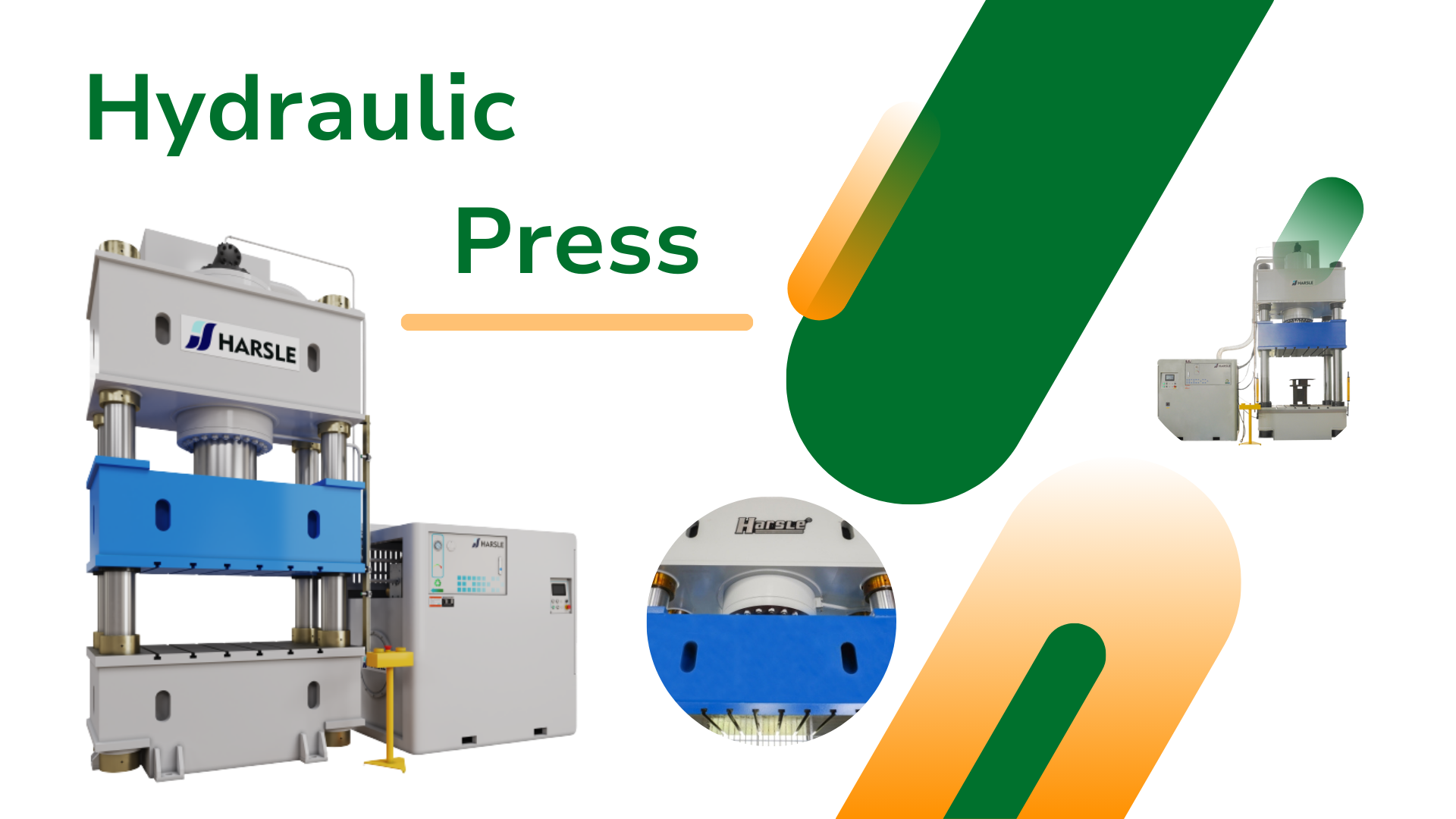
Hydraulic presses have long been a cornerstone of the manufacturing industry, known for their unmatched power and versatility in shaping, cutting, and forming materials. While traditionally associated with metalworking, automotive, and aerospace industries, hydraulic presses have evolved to serve a wide array of innovative applications in modern manufacturing. This article delves into these forward-thinking uses of hydraulic presses, exploring their role in the industries of today and tomorrow.
The Basics: What Is a Hydraulic Press?
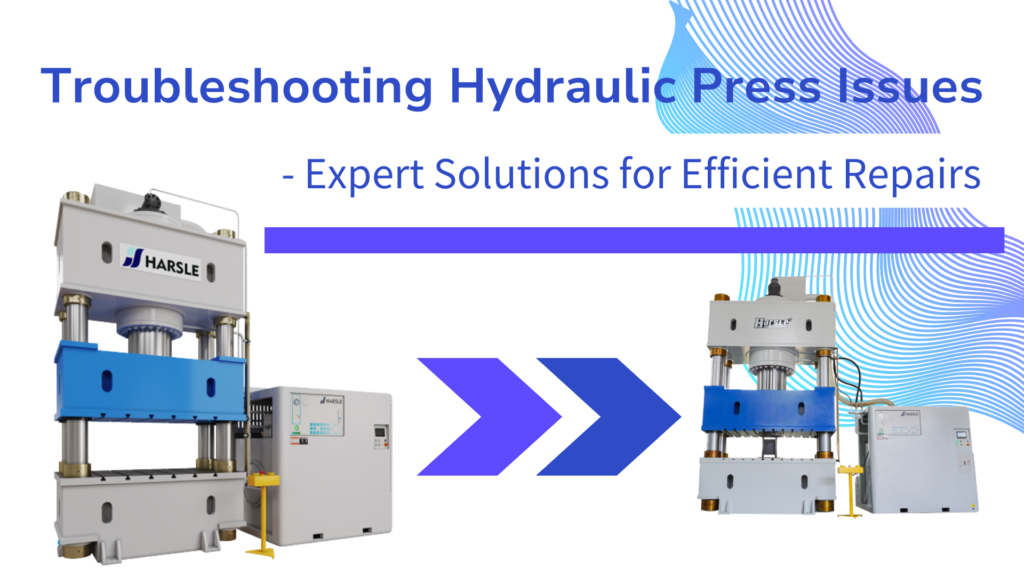
Before diving into the cutting-edge applications, it’s essential to understand the basics of how hydraulic presses work. It uses a hydraulic cylinder to generate compressive force. The system works on Pascal’s law, which states that when pressure is applied to a confined fluid, it is transmitted equally in all directions. In a hydraulic press, this fluid is typically oil, and it creates tremendous force, making hydraulic presses ideal for tasks that require high pressure and precision.
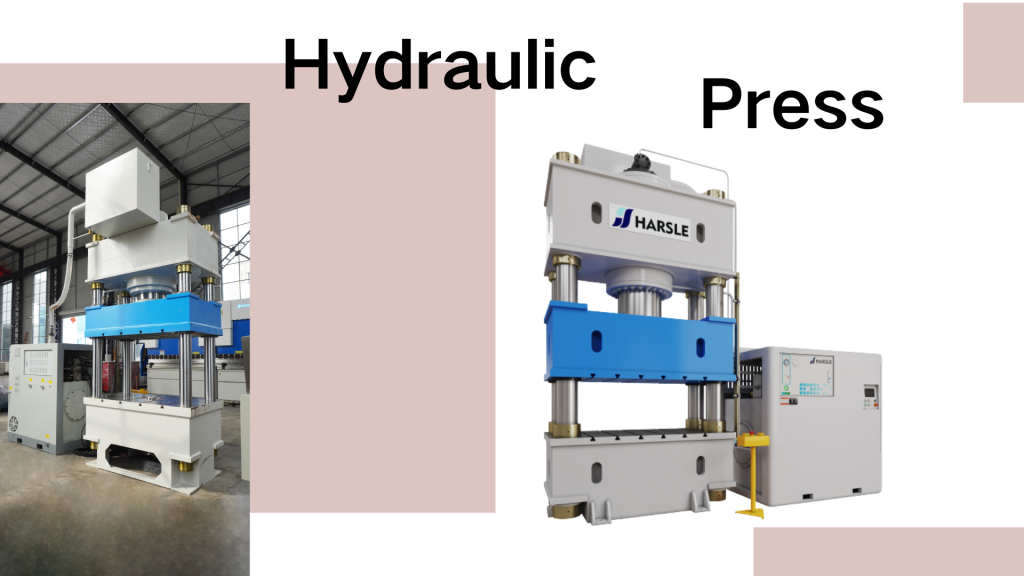
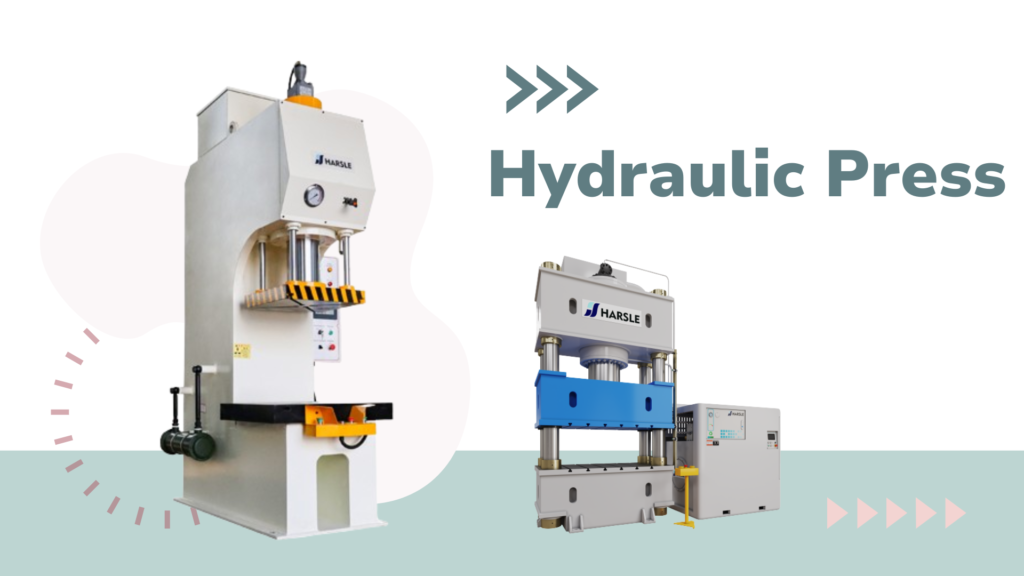
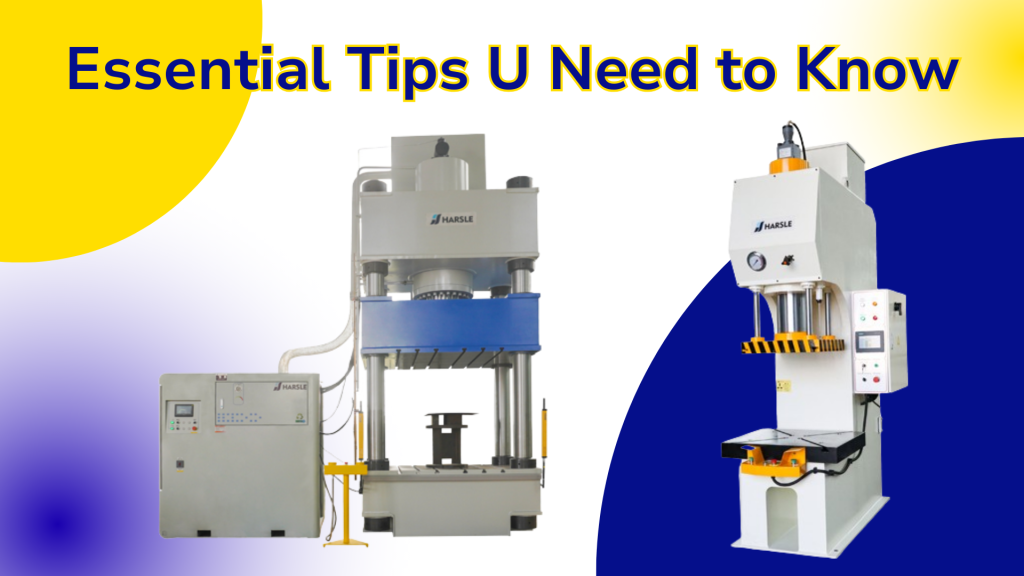
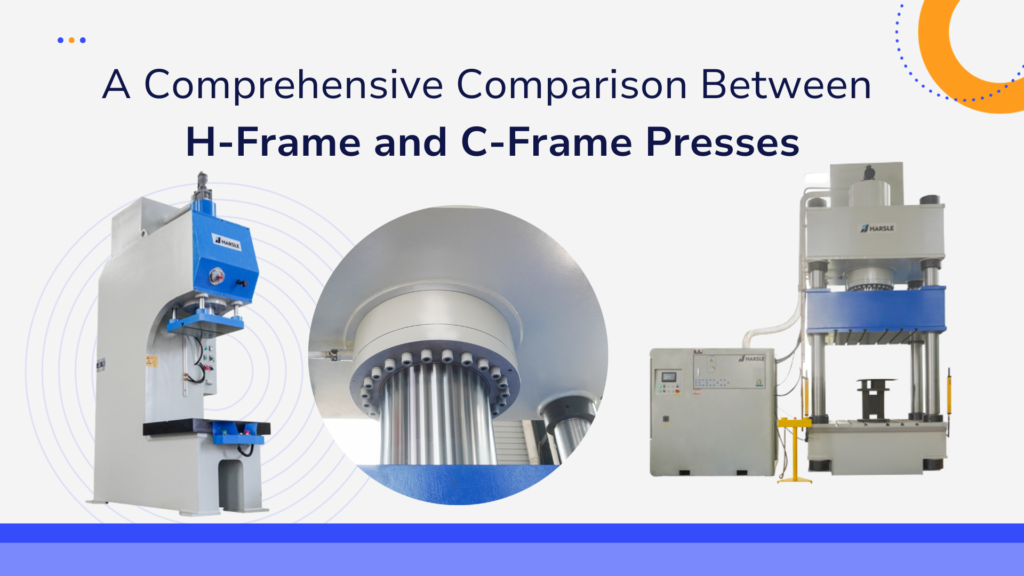
Hydraulic press comes in various types, such as four-post, single-column, deep draw, and C-frame presses, each tailored for specific tasks. While their traditional uses involve metal bending, stamping, and molding, recent innovations have expanded their utility to new industries and creative applications.

Innovative Applications of Hydraulic Presses
1. Advanced Composite Material Manufacturing
One of the most exciting applications of hydraulický lis is in the production of advanced composite materials. These materials, such as carbon fiber and fiberglass, are increasingly used in industries like aerospace, automotive, and sporting goods due to their high strength-to-weight ratio.
Hydraulic press is employed in the forming and molding of these composite materials. The press applies uniform pressure and heat to the composite material, ensuring even curing and shaping. In aerospace, for instance, components like wings, fuselages, and interior structures are produced using hydraulic presses. The ability to apply consistent force over a large surface area is crucial for manufacturing complex composite shapes.
2. Battery Manufacturing for Electric Vehicles (EVs)
As the automotive industry shifts towards electric vehicles, they are finding new roles in the production of batteries. The manufacturing of lithium-ion batteries, essential for EVs, involves several processes where hydraulic presses play a key role.
One of the most critical applications is the compression of battery cells. Hydraulic presses are used to compress the electrodes and separators within the battery cell to ensure optimal contact and performance. Additionally, they help seal the battery cells within their casing, providing a durable and compact package that can withstand the rigors of vehicle operation.
The precision and control offered by hydraulic presses make them ideal for handling the delicate and high-stakes components of battery production, contributing to the efficiency and reliability of EVs.

3. Food Processing and Packaging
While hydraulic press is commonly associated with metal and material forming, their application in food processing is a growing trend. Hydraulic presses are used to extract oils, juices, and other liquids from fruits, seeds, and vegetables.
For instance, cold-pressed juice, which has gained popularity for its health benefits, is often produced using hydraulic presses. These presses apply immense pressure to fruits and vegetables without generating heat, preserving the nutrients and flavors that would otherwise degrade in traditional juicing processes. Similarly, hydraulic presses are used in the extraction of essential oils from seeds and herbs for the cosmetic and wellness industries.
In packaging, hydraulic presses assist in forming durable and customized packaging solutions, particularly in eco-friendly packaging where alternative materials like biodegradable plastics or pulp fibers are molded into shapes that protect and preserve food.
4. Medical Device Manufacturing
The precision and control of hydraulic press have made them indispensable in the medical device industry. They are used to manufacture critical components for devices such as implants, prosthetics, and surgical instruments.
In the production of medical implants, for example, hydraulic presses are used to mold and shape biocompatible materials like titanium, stainless steel, and polymers. These materials must be formed with extreme precision to meet the stringent regulatory standards of the medical field. Hydraulic presses allow manufacturers to achieve consistent and accurate results, ensuring the safety and efficacy of medical devices.
Additionally, hydraulic press plays a role in the packaging of sterile medical products. They are used to seal blister packs and other sterile packaging, which are essential for maintaining the cleanliness and safety of surgical instruments and pharmaceuticals.
5. Recycling and Waste Management
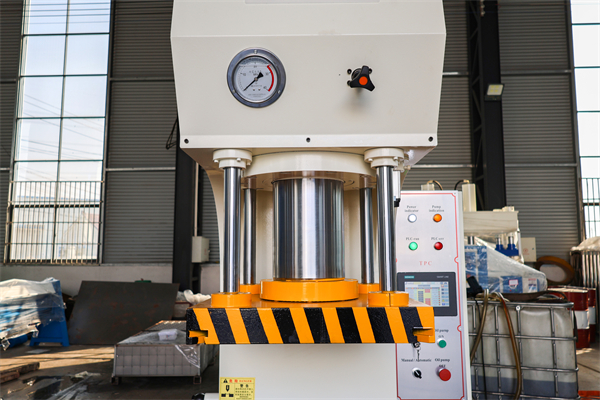
Hydraulic press is proving their value in the growing field of recycling and waste management. These presses are used to compress and compact recyclable materials like paper, plastic, metal, and cardboard into dense bales, making it easier to transport and process them.
In addition to traditional recycling applications, hydraulic presses are also being used in the processing of electronic waste (e-waste). As the world becomes increasingly digital, the volume of e-waste has skyrocketed. Hydraulic press is employed to crush and compact e-waste, separating valuable components like metals and plastics from hazardous materials.
Furthermore, hydraulic presses are being utilized in the production of building materials from recycled waste. For instance, plastic waste can be compressed and molded into durable building blocks or tiles, contributing to more sustainable construction practices.
6. Luxury Goods and Custom Artisanal Products
Hydraulic presses have found a surprising niche in the world of luxury goods and artisanal manufacturing. For example, in the production of high-end leather goods, hydraulic presses are used to emboss intricate designs onto leather surfaces, creating unique patterns and textures that enhance the luxury appeal of the product.
In the jewelry industry, hydraulic presses are used to shape precious metals and stones into intricate designs. The precision of the press allows artisans to create detailed and consistent patterns, even on small, delicate pieces.
Custom furniture and home décor are also benefiting from hydraulic press technology. Presses are used to create unique textures and shapes in wood, metal, and composite materials, allowing designers to experiment with innovative forms and finishes.

7. Solar Panel Manufacturing
As the renewable energy industry grows, hydraulic presses have become essential tools in the production of solar panels. The process of encapsulating photovoltaic cells in protective materials to create durable and efficient solar panels requires precise and even pressure, which hydraulic presses are well-equipped to provide.
Hydraulic presses are used to laminate the layers of solar panels, ensuring that the cells are securely encapsulated and protected from environmental factors like moisture, dust, and impact. This encapsulation is critical for the long-term efficiency and durability of solar panels.
Additionally, hydraulic presses are used in the production of mirrors and lenses for concentrated solar power systems. These components must be shaped and formed with extreme accuracy to focus sunlight onto photovoltaic cells or thermal receivers, maximizing energy capture.
8. Aerospace Component Manufacturing
The aerospace industry demands precision, durability, and lightweight materials for its components, and hydraulic presses have proven to be essential in meeting these requirements. In the production of critical components such as wings, fuselage panels, and landing gear, hydraulic presses are used to shape and form high-strength materials like titanium, aluminum, and composites.
One innovative application in aerospace is the use of hydraulic presses in superplastic forming. This process involves heating titanium or aluminum sheets to a point where they can be shaped like plastic using hydraulic pressure. This technique allows for the creation of complex, lightweight components that would be difficult or impossible to manufacture using traditional methods.
9. Automated Production Lines
The integration of hydraulic presses into automated production lines represents another innovation in modern manufacturing. These presses are equipped with sensors and controllers that allow them to communicate with other machines in the production line, ensuring seamless operation.
In industries like automotive and electronics, where mass production and high precision are crucial, hydraulic presses are part of fully automated systems that reduce human intervention, improve accuracy, and boost production speed. These smart presses can adapt to different materials and product specifications in real-time, contributing to more flexible and efficient manufacturing processes.

Závěr
The versatility of hydraulic presses is expanding rapidly as new industries discover their potential. From advanced materials and renewable energy to luxury goods and recycling, hydraulic presses are enabling innovation in manufacturing processes across the board. As technology continues to evolve, we can expect to see even more creative applications of hydraulic presses, further solidifying their role as indispensable tools in modern manufacturing.
The integration of smart technologies, such as IoT and automation, will only enhance their capabilities, making hydraulic presses more efficient, precise, and adaptable to the ever-changing demands of global industries. Whether shaping the future of transportation, sustainability, or luxury, hydraulic presses are at the forefront of innovation in manufacturing.