
















Errori comuni delle presse piegatrici CNC e come evitarli


The CNC press brake is a crucial tool in the metal fabrication industry, offering precision and automation for bending sheet metal. However, even with advanced technology, mistakes can occur during operation, leading to defective parts, machine downtime, or even accidents. Identifying common errors and knowing how to avoid them can save time, money, and resources. This article will dive into the most frequent CNC press brake errors and provide practical solutions to prevent them.
1. Incorrect Material Setup
- Problem: Improper material setup can lead to inaccurate bends or even machine damage. If the material is not positioned correctly on the pressa piegatrice cnc or if the wrong material type is selected, the result will likely be inconsistent or imprecise bending.
- Solution: To avoid this issue, operators should ensure that the material is loaded properly, aligned accurately with the machine’s tooling, and clamped securely. Always double-check the material type before starting a job. Implementing standard operating procedures (SOPs) and using laser or optical alignment systems can help ensure correct setup every time.
2. Choosing the Wrong Tooling
- Problem: The wrong choice of punch and die for a specific job can lead to defects like cracks, underbending, or overbending. This is especially common when switching between different materials or thicknesses without adjusting the tooling.
- Solution: Understanding the material type, thickness, and desired bend angles is critical when selecting the appropriate tooling. Operators should consult a tooling chart or the machine’s software to match the job specifications with the correct tools. Regularly inspect tooling for wear and damage, and ensure it is compatible with the material being used.

3. Programming Errors
- Problem: Mistakes in programming the CNC machine can lead to inaccurate bends or incomplete parts. Incorrect values for bend angles, back gauge positions, or pressure settings may result in part rejection or costly rework.
- Solution: To prevent programming errors, always review the CNC program before running the machine. Use simulation software to test the program virtually and identify any potential issues. Train operators to understand the machine’s control system and the programming interface thoroughly. Implement a quality control check to verify the program is correct before initiating production.
4. Insufficient Tool Alignment and Calibration
- Problem: Over time, the alignment of the tooling and back gauges may drift due to regular use, resulting in inaccurate bends. Misalignment between the punch and die can also cause part inconsistencies.
- Solution: Regular calibration and alignment checks are essential to maintain accuracy. Create a maintenance schedule that includes routine checks of the back gauge alignment, punch, and die positions, as well as the machine’s overall calibration. Utilizing automated alignment tools or systems built into modern CNC press brakes can streamline this process.
5. Inconsistent Bending Force
- Problem: Inconsistent bending forces often result from improperly set pressure parameters or varying material thicknesses. This can cause parts to come out with varying bend angles, leading to quality issues.
- Solution: Operators must ensure that the bending force is set correctly according to the material thickness and type. Modern CNC press brakes often have built-in material thickness detection and force correction systems that can automatically adjust the force applied. Utilize these features to maintain consistency across multiple bends.
6. Overloading the Premi il freno
- Problem: Exceeding the cnc press brake’s tonnage capacity can cause severe damage to the machine and the tooling. Overloading may occur if operators are unaware of the press brake’s limitations or if they underestimate the force required for certain bends.
- Solution: It’s essential to know the machine’s tonnage capacity and not exceed it. Use tonnage charts provided by the manufacturer, which outline the machine’s capabilities for different materials and bend types. Educate operators on the importance of calculating the correct tonnage before setting up each job.
7. Tool Wear and Damage
- Problem: Over time, cnc press brake tooling will wear down or get damaged due to the repetitive forces applied. This can lead to uneven bends, tool breakage, or even damage to the material being processed.
- Solution: Regularly inspect tooling for signs of wear, including cracks, chipping, or warping. Replace worn-out tools immediately to prevent damage to the cnc press brake or materials. Investing in high-quality tooling and maintaining a proper storage system can also prolong tool life and reduce the likelihood of wear.
8. Back Gauge Misalignment
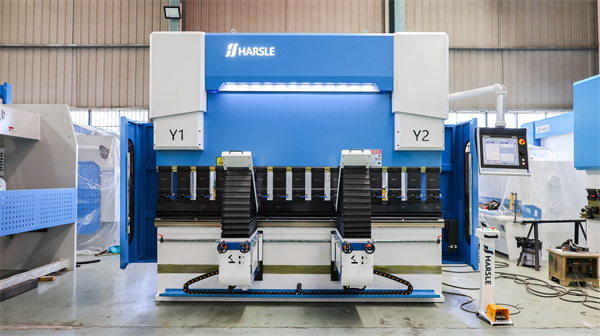
- Problem: Back gauges are crucial for positioning the material correctly during the bending process. Misaligned back gauges can cause incorrect bends and inconsistent part dimensions.
- Solution: Regularly inspect and adjust the back gauges for accuracy. Most CNC press brakes allow for automated back gauge adjustment, but operators should still perform manual checks periodically to ensure everything is functioning as expected. Use high-quality, rigid back gauges that do not flex or shift under pressure.
9. Incorrect Bend Sequencing
- Problem: Bend sequencing refers to the order in which bends are made on a part. An incorrect sequence can cause interference with previous bends, leading to damaged parts or machine downtime.
- Solution: Plan the bend sequence carefully before starting the job. Many CNC press brakes come with software that can simulate bend sequences and help operators determine the most efficient order of operations. Avoid sharp or complex bends early in the sequence to prevent part interference later in the process.
10. Inadequate Operator Training
- Problem: Untrained or undertrained operators are more likely to make mistakes with the CNC press brake, leading to improper setup, programming errors, and unsafe working conditions.
- Solution: Continuous training is key to avoiding operator errors. Offer regular training sessions on machine operation, programming, safety procedures, and best practices for maintaining press brakes. Operators should also be encouraged to stay updated on the latest industry trends and technological advancements.

11. Material Springback
- Problem: Springback occurs when the material tries to return to its original shape after bending, leading to deviations from the intended bend angle. This is more prevalent in certain materials, such as high-strength steel or aluminum.
- Solution: To counteract springback, operators must account for it in their programming. Some CNC press brakes have automatic springback compensation features that can adjust the bend angle to account for the material’s properties. Additionally, using a bottoming or coining process can help reduce the effects of springback.
12. Neglecting Safety Precautions
- Problem: Press brakes are powerful machines that can cause serious injury if proper safety precautions are not taken. Ignoring safety features or bypassing safety protocols can result in accidents.
- Solution: Operators should never bypass safety guards or disable any of the press brake’s safety features. It is essential to follow all safety protocols, including wearing protective gear, ensuring proper lighting, and keeping hands clear of the press brake during operation. Regularly inspect safety equipment and systems to ensure they are functioning correctly.
13. Improper Machine Maintenance
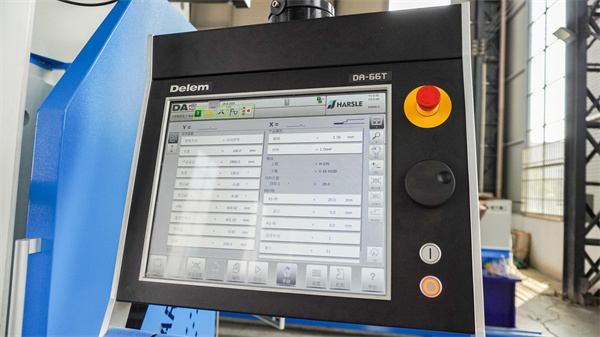
- Problem: A lack of regular maintenance can cause press brakes to deteriorate, leading to breakdowns, inaccuracies, and costly repairs.
- Solution: Implement a comprehensive maintenance plan that includes regular lubrication, part replacement, calibration, and alignment checks. Keep detailed records of maintenance activities and schedule regular inspections to identify potential issues before they cause problems.
Conclusione
While CNC press brakes are sophisticated machines that offer incredible precision and efficiency, they are not immune to operator errors, programming mistakes, and maintenance issues. However, by implementing proper training, regular maintenance, and using the machine’s advanced features correctly, these common errors can be minimized or even eliminated. Avoiding these mistakes will not only increase productivity but also ensure the longevity of your equipment and the quality of your final products.
A proactive approach to understanding and addressing these common errors will lead to more efficient operations, improved part quality, and a safer workplace.