















Cesoie: 7 caratteristiche e considerazioni essenziali

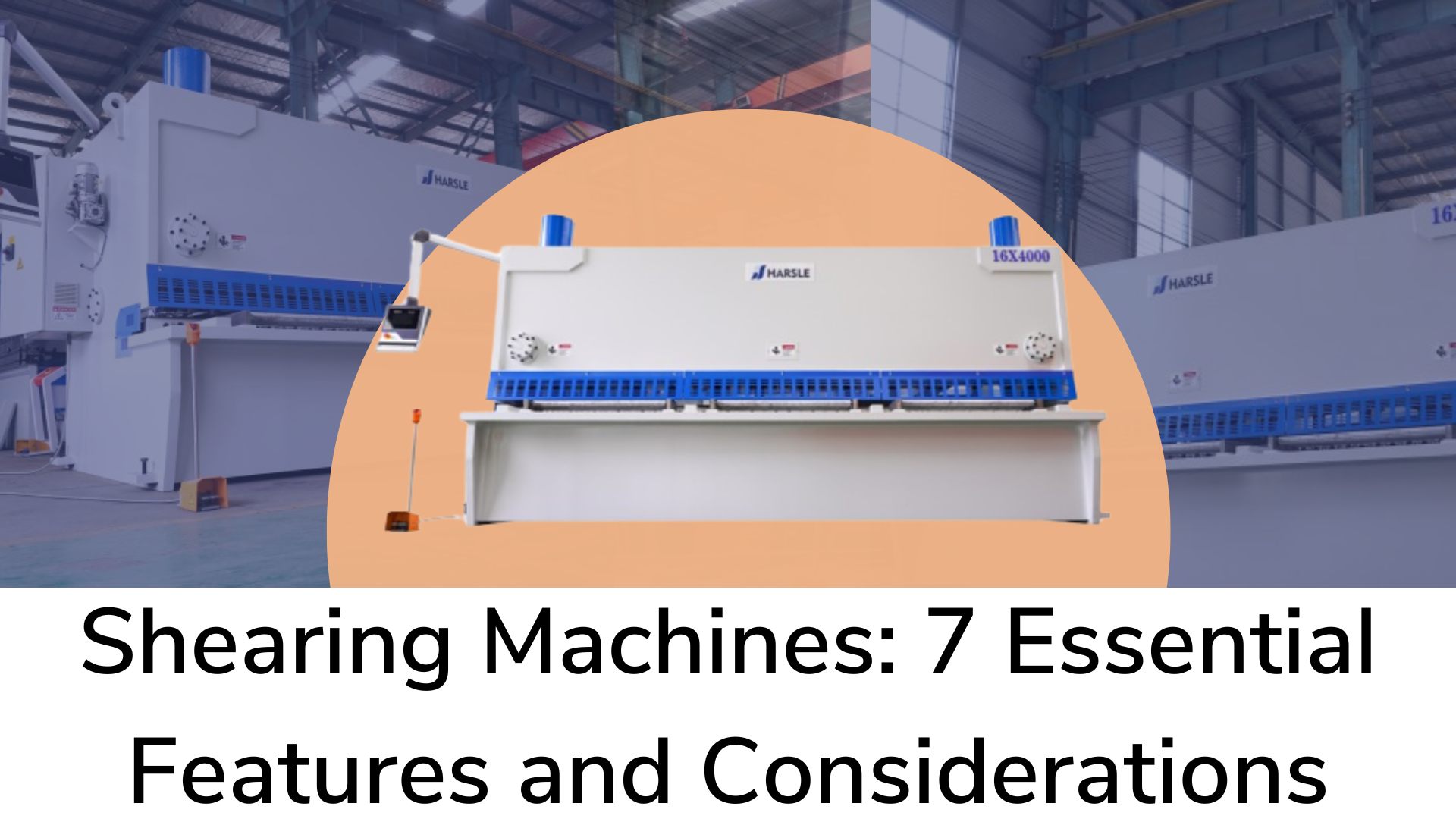
Understanding the key features and considerations of shearing machines is paramount for businesses and manufacturers operating in industries that rely on the precise cutting and shaping of materials. Whether it’s the metalworking industry, fabrication industry, or automotive sector, the ability to make informed decisions when selecting a shearing machine can significantly impact operational efficiency, output quality, and overall productivity.
One of the primary reasons why understanding the key features is crucial is to ensure optimal performance. Shearing machines come in different types, each with its own set of capabilities and limitations. By having a deep understanding of these features, such as cutting capacity and blade length, manufacturers can select a machine that aligns perfectly with their specific production requirements. This ensures that the machine can handle the desired thickness and strength of materials, resulting in efficient and effective cutting processes.
Moreover, comprehending the intricacies of cutting precision and accuracy in shearing machines is vital for achieving consistent high-quality output. Factors such as blade quality, alignment, and control systems play a pivotal role in determining the precision of cuts. By carefully considering these features, manufacturers can select a shearing machine that meets their exacting standards, leading to precise and accurate cuts that minimize material waste and enhance the overall quality of the final products.
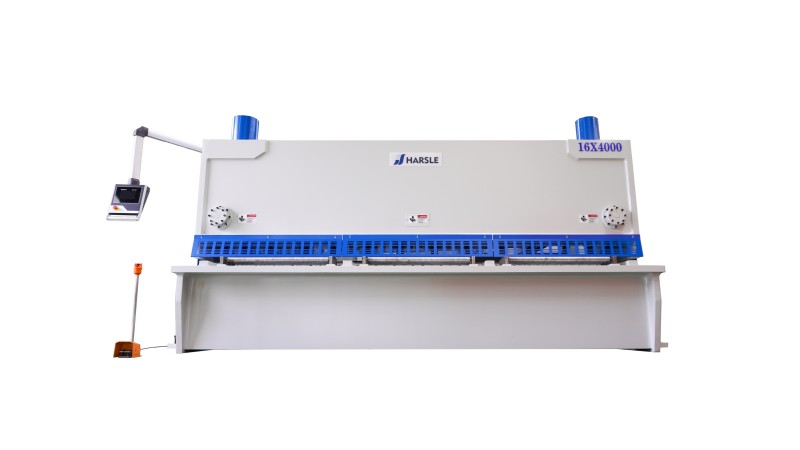
Safety is another critical aspect that cannot be overlooked when it comes to shearing machines. These machines involve inherent risks due to the powerful forces and sharp blades involved in the cutting process. Understanding the safety features and operator controls of shearing devices enables businesses to prioritize the well-being of their operators. By choosing a machine equipped with appropriate safety features, such as guards, emergency stops, and interlocks, manufacturers can create a safer work environment, reducing the risk of accidents and injuries.
Maintenance is yet another area where understanding key features and considerations is crucial. Regular maintenance is essential for the longevity and smooth operation of shearing machines. By being knowledgeable about specific maintenance requirements, such as lubrication and blade sharpening, manufacturers can ensure that their machines continue to perform optimally over time. This minimizes downtime and extends the machine’s lifespan, resulting in cost savings and improved productivity in the long run.
Ultimately, understanding the key features and considerations of shearing machines allows manufacturers to make informed decisions that align with their production needs and priorities. It empowers businesses to select machines that offer optimal performance, cutting precision, safety, and longevity. By investing time and effort in understanding these features, manufacturers can enhance operational efficiency, product quality, and the overall competitiveness of their businesses.
Cutting Capacity and Blade Length of Shearing Machines

Shearing machines are invaluable tools in various industries that require precise cutting and shaping of materials. When considering the purchase or utilization of a shearing machine, two critical factors that should be thoroughly understood are cutting capacity and blade length. These elements play a pivotal role in determining the machine’s capabilities and its suitability for specific applications.
Cutting capacity refers to the maximum thickness and strength of the material that a shearing machine can effectively cut. It is essential to select a machine with a cutting capacity that aligns with the materials you work with. Choosing a machine with insufficient cutting capacity can result in inefficient and inadequate cuts, while opting for a machine with excess capacity may lead to unnecessary costs and complexity. By carefully assessing the materials’ characteristics and selecting a machine with the appropriate cutting capacity, manufacturers can ensure efficient and precise cutting operations.
Blade length is another crucial consideration when evaluating shearing machines. The blade length determines the width of the cut that can be achieved in a single pass. Longer blades allow for wider cuts, reducing the number of passes required and improving productivity. However, it is vital to strike a balance between blade length and overall machine capabilities. Extremely long blades can introduce challenges in terms of alignment, stability, and precision, potentially compromising the quality of the cuts. Therefore, selecting an appropriate blade length that aligns with the desired cutting requirements is crucial for achieving optimal results.
Understanding the relationship between cutting capacity and blade length is essential for selecting the right shearing machine. The cutting capacity should match the thickness and strength of the materials to be processed, while the blade length should be chosen to ensure efficient and precise cutting without compromising stability and precision. By carefully evaluating these factors, manufacturers can enhance productivity, minimize waste, and improve the overall quality of their finished products.
It is worth noting that different shearing machines offer varying cutting capacities and blade lengths. Mechanical, hydraulic, and electric shearing machines may have different ranges and capabilities. Therefore, it is crucial to consult with industry experts, evaluate the specific requirements of your application, and consider the intended use of the machine to make an informed decision.
Cutting Precision and Accuracy of Shearing Machines
In industries that rely on precise cutting operations, such as metalworking, fabrication, and automotive, the cutting precision and accuracy of shearing machines play a critical role in achieving high-quality outputs and minimizing material waste. Understanding and prioritizing these factors are essential for businesses seeking to optimize their production processes and maintain a competitive edge.
Cutting precision refers to the ability of a shearing machine to make cuts with consistent dimensions and minimal deviation from the desired specifications. Achieving precise cuts is crucial for ensuring that the final products meet the required standards. Factors that influence cutting precision include blade quality, alignment, and control systems. High-quality blades with sharp edges and proper maintenance help ensure clean and accurate cuts. Additionally, accurate alignment of the blades and proper adjustment of the shearing machine contribute to consistent and precise cutting results. Advanced control systems and automation technologies further enhance cutting precision by providing precise control over the cutting process.
Cutting accuracy goes hand in hand with precision and refers to the ability of a cesoia to cut along the desired path or contour with minimal deviation. Accurate cuts are crucial for achieving the desired shape and dimensions of the cut materials. Shearing machines with advanced features, such as programmable controls and digital readouts, allow for precise positioning and control during the cutting process. These features enable operators to accurately follow cutting lines and contours, resulting in accurate and repeatable cuts.

The importance of cutting precision and accuracy cannot be overstated. Precise and accurate cuts ensure uniformity in the finished products, reduce material waste, and enhance overall product quality. In industries where precision is paramount, such as aerospace and electronics, even the smallest deviations can have significant consequences. By investing in shearing machines that excel in cutting precision and accuracy, businesses can ensure consistency, reliability, and customer satisfaction.
To achieve optimal cutting precision and accuracy, regular maintenance and blade sharpening are crucial. Dull blades can lead to uneven cuts and reduced cutting precision. Therefore, it is essential to have a well-defined maintenance schedule that includes blade inspections, sharpening, and replacements as necessary. Additionally, proper operator training and adherence to best practices for setup and operation can contribute to maintaining cutting precision and accuracy over time.
Advancements in shearing machine technology, such as computer numerical control (CNC) integration and laser guidance systems, have further enhanced cutting precision and accuracy. CNC-controlled shearing machines offer precise control over cutting parameters, such as cutting speed and force, resulting in consistent and accurate cuts. Laser guidance systems provide visual cues to operators, allowing them to align the material accurately and achieve precise cuts along predefined lines.
Safety Features and Operator Controls
Safety is a paramount consideration in any industrial setting, and shearing machines are no exception. These powerful machines involve significant forces and sharp blades, making it crucial to prioritize the safety of operators and minimize the risk of accidents. Understanding the importance of safety features and operator controls in shearing machines is vital for creating a safe working environment and ensuring the well-being of those operating the equipment.
One of the primary aspects to consider when it comes to safety features is the presence of guards. Shearing machines should be equipped with appropriate guarding mechanisms that prevent operators from coming into contact with moving parts, such as the blades or the shearing area. These guards serve as a physical barrier, reducing the risk of accidental injury and ensuring that operators maintain a safe distance from the hazardous areas of the machine during operation.
Emergency stops are another critical safety feature in shearing machines. These stops allow operators to quickly halt the machine’s operation in case of an emergency or unexpected situation. Emergency stops should be easily accessible, clearly marked, and capable of immediately shutting down the machine to prevent any potential harm to the operator or damage to the material being processed.
Interlocks are additional safety features that help enhance operator safety. Interlocks ensure that certain safety conditions are met before the machine can be operated. For example, the interlock may require the guard to be in place and properly secured before the machine can be activated. This feature prevents operators from bypassing safety measures and ensures that the machine is used in a safe manner.
Operator controls and ergonomics also play a significant role in safety and productivity. Shearing machines should have well-designed control panels that are easy to understand and operate. Clear labeling and an intuitive layout help minimize the risk of operator error and enhance overall safety. Additionally, ergonomic considerations, such as the positioning of controls and the comfort of the operator’s workspace, contribute to reducing fatigue and promoting safe working conditions.
Compliance with safety standards and regulations is crucial when selecting and operating shearing machines. It is essential to choose machines that meet or exceed industry-specific safety standards and regulations. These standards outline the minimum requirements for safety features and provide guidelines for safe machine operation. Adhering to these standards not only ensures the safety of operators but also helps businesses avoid legal and financial consequences resulting from non-compliance.
Proper training and education for machine operators are essential for utilizing safety features and controls effectively. Operators should receive comprehensive training on the safe operation of the shearing machine, including understanding the purpose and functionality of safety features and controls. Regular refresher training should also be provided to keep operators up to date with the latest safety protocols and best practices.
Maintenance Requirements

Maintenance requirements are a vital aspect to consider when it comes to shearing machines. Regular and proper maintenance is essential for ensuring the longevity, optimal performance, and reliability of the machine. Understanding the specific maintenance requirements of a shearing machine is crucial for minimizing downtime, preventing unexpected breakdowns, and maximizing productivity. Maintenance tasks typically include routine inspections, lubrication of moving parts, blade sharpening or replacement, and cleaning.
By adhering to a well-defined maintenance schedule and conducting preventive maintenance, businesses can prolong the lifespan of the machine, optimize its cutting performance, and minimize the risk of costly repairs. It is also important to consult the manufacturer’s guidelines and recommendations regarding maintenance procedures, intervals, and recommended lubricants or parts to ensure compliance and obtain the best results from the machine.
Integration with Other Manufacturing Processes
In today’s interconnected manufacturing landscape, the ability of shearing machines to seamlessly integrate with other manufacturing processes is crucial for achieving efficient production workflows and maximizing productivity. The integration of shearing machines with upstream and downstream processes offers numerous benefits, including improved material flow, reduced handling time, and enhanced overall process automation.
One key aspect of integration is the synchronization of material handling and feeding systems. Shearing machines can be integrated with automated material handling systems such as conveyors, robotic arms, or gantry loaders. This integration ensures a smooth and continuous flow of materials to and from the shearing machine, minimizing manual handling and reducing the risk of errors or delays. By automating material handling, manufacturers can optimize throughput, eliminate bottlenecks, and improve overall efficiency.
Integration with other machining or fabrication processes is another area where shearing machines play a crucial role. For example, sheared materials can be seamlessly transferred to bending machines, welding stations, or assembly lines, creating a streamlined production flow. This integration eliminates the need for manual handling or transportation between processes, saving time and reducing the risk of damage or errors during material transfer. Additionally, integrated data exchange and communication between machines enable real-time monitoring and coordination, facilitating efficient production planning and scheduling.
It is worth noting that the successful integration of shearing machines with other manufacturing processes requires careful planning, collaboration, and the use of compatible technologies. Manufacturers should assess their production needs, evaluate the compatibility of different machines and systems, and seek expert guidance if necessary. Additionally, regular monitoring, maintenance, and software updates are essential to ensure the smooth operation and continued compatibility of integrated systems.
In conclusion, the integration of shearing machines with other manufacturing processes is crucial for achieving optimal production efficiency, reducing manual handling, and improving overall automation. By seamlessly connecting shearing machines with material handling systems, other machining processes, quality control systems, and digital technologies, manufacturers can create streamlined and synchronized production workflows. This integration leads to enhanced productivity, reduced costs, improved product quality, and increased competitiveness in today’s rapidly evolving manufacturing
landscape.

Environmental Impact and Energy Efficiency
In an era of increasing environmental consciousness, considering the environmental impact and energy efficiency of shearing machines is of paramount importance. Manufacturers are increasingly recognizing the need to reduce their carbon footprint and adopt sustainable practices throughout their operations. Assessing the environmental impact and energy efficiency of shearing machines can help businesses make informed decisions that align with their sustainability goals while also realizing long-term cost savings.
One aspect of environmental impact to consider is the consumption of raw materials. Shearing machines should be designed to minimize material waste during the cutting process. Efficient blade design, precise cutting mechanisms, and optimized cutting parameters can all contribute to reducing material waste, thereby minimizing the environmental impact and maximizing material utilization. By minimizing waste generation, manufacturers can reduce their reliance on raw materials, conserve resources, and lower disposal costs.
Energy efficiency is another crucial consideration. Shearing machines should be designed and operated to minimize energy consumption. Efficient motor systems, advanced control technologies, and optimized cutting processes can all contribute to energy savings. For instance, the use of variable frequency drives (VFDs) can enable better control over motor speed, reducing energy consumption during non-cutting operations. Implementing energy-efficient practices, such as idle mode activation and power management systems, can further enhance energy efficiency and contribute to overall sustainability efforts.
Noise pollution is an often-overlooked environmental impact of machinery. Shearing machines can produce significant noise levels during operation, which can have adverse effects on both workers’ health and the surrounding environment. Manufacturers should invest in noise reduction measures, such as sound-insulating enclosures, vibration-damping systems, and periodic maintenance of machine components. By mitigating noise pollution, businesses can create safer and more pleasant work environments while also minimizing their impact on local communities.
Additionally, the choice of lubricants and coolants used in shearing machines can have environmental implications. It is important to select environmentally friendly lubricants that have low toxicity, reduced environmental persistence, and are biodegradable. Proper handling, storage, and disposal of these substances are equally important to prevent pollution and comply with environmental regulations.
To evaluate the environmental impact and energy efficiency of shearing machines, manufacturers can consider certifications and standards such as ISO 14001 (Environmental Management System) and ISO 50001 (Energy Management System). These certifications provide guidelines for assessing, managing, and continuously improving environmental performance and energy efficiency. Adhering to these standards not only helps minimize the environmental impact but can also enhance a company’s reputation and appeal to environmentally conscious customers.
Cost Considerations
When investing in shearing machines, cost considerations play a significant role in decision-making. It is essential to evaluate not only the initial purchase cost but also the long-term operating and maintenance expenses associated with the machine. By carefully analyzing the cost factors, businesses can make informed decisions that align with their budgetary constraints while maximizing the value and efficiency of their shearing operations.
The initial purchase cost of a shearing machine is an important factor to consider. Different models and brands vary in price, and it is crucial to evaluate the features, capabilities, and quality offered by each option. While it may be tempting to choose the cheapest option, it is essential to strike a balance between cost and the machine’s performance, durability, and reliability. Investing in a high-quality shearing machine from a reputable manufacturer may have a higher upfront cost but can result in long-term savings by minimizing maintenance and repair expenses.
Operating costs should also be taken into account when evaluating shearing machines. Consider factors such as energy consumption, lubricant usage, and blade replacement frequency. Opting for energy-efficient machines can result in significant cost savings over time. Additionally, selecting machines that utilize environmentally friendly lubricants and adopting proper lubrication practices can help reduce ongoing expenses. Understanding the expected lifespan of blades and the cost of replacements can also help in evaluating the total operating costs of the machine.
Maintenance requirements and associated costs should not be overlooked. Regular maintenance and timely blade sharpening or replacement are essential for the optimal performance and longevity of shearing machines. It is crucial to assess the maintenance requirements and associated costs, including the availability and cost of spare parts, as well as the need for specialized maintenance services. Investing in machines that are easy to maintain and have a reliable supply chain for spare parts can help minimize downtime and reduce maintenance expenses in the long run.
Lastly, it is important to evaluate the overall return on investment (ROI) when considering the cost of shearing machines. Assess the potential increase in production capacity, reduction in material waste, improved product quality, and labor savings that can be achieved with the machine. By quantifying these benefits and comparing them with the total cost of ownership, businesses can make informed decisions about the cost-effectiveness of different shearing machine options.


