















Choosing the Right Rolling Machine for Your Business


In industries where metal shaping and fabrication are fundamental, rolling machines play a pivotal role. These machines are essential for bending and forming metal sheets, plates, and profiles into various shapes such as cylinders, arcs, and cones. Choosing the right rolling machine for your business involves careful consideration of several factors, including the type of materials you work with, production requirements, precision needs, and operational constraints. This comprehensive guide explores these factors in detail to help you make informed decisions when selecting a rolling machine.
Understanding the Types of Rolling Machines
Rolling machines come in several types, each designed for specific applications and material types:
- Plate Rolling Machines: These machines are used for rolling large metal plates into cylindrical or curved shapes. They are commonly employed in industries such as shipbuilding, tank manufacturing, and structural engineering.
- Angle Rolling Machines: Designed for bending metal angles and profiles into curved or circular shapes. They are essential in industries that require structural components with precise geometries, including construction and architectural metalwork.
- Profile Rolling Machines: Used for bending and shaping metal profiles and tubes. They find applications in industries like furniture manufacturing, automotive parts production, and HVAC systems.
Factors to Consider When Choosing a Rolling Machine
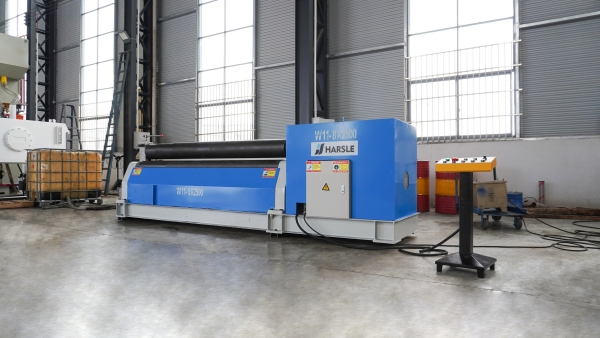
Rolling machines are indispensable tools in industries ranging from manufacturing and construction to aerospace and automotive. These machines are designed to bend and shape metal sheets, plates, and profiles into various forms such as cylinders, arcs, and cones. Choosing the right rolling machine for your business involves evaluating several critical factors to ensure optimal performance, efficiency, and cost-effectiveness. This article explores the key considerations that businesses should take into account when selecting a rolling machine.
1. Material Type and Thickness
The type of material being processed significantly impacts the choice of rolling machine. Different materials exhibit varying properties such as hardness, ductility, and elasticity, which influence how they respond to bending and forming processes. Moreover, the thickness of the material dictates the level of force and pressure required during the rolling operation. Here are some key material types to consider:
1. Steel
Steel is one of the most common materials processed using rolling machines due to its strength and versatility. When selecting a rolling machine for steel:
- Thickness Range: Consider the maximum thickness of steel sheets or plates you intend to work with. Machines designed for thicker materials typically feature higher tonnage capacity to exert sufficient force.
- Material Hardness: Higher hardness levels require machines with robust frames and strong bending capabilities to prevent deformation and ensure accurate shaping.
- Special Considerations: Certain types of steel, such as high-strength alloys or abrasion-resistant steels, may require specialized tooling and higher tonnage machines to achieve desired bending results without compromising material integrity.
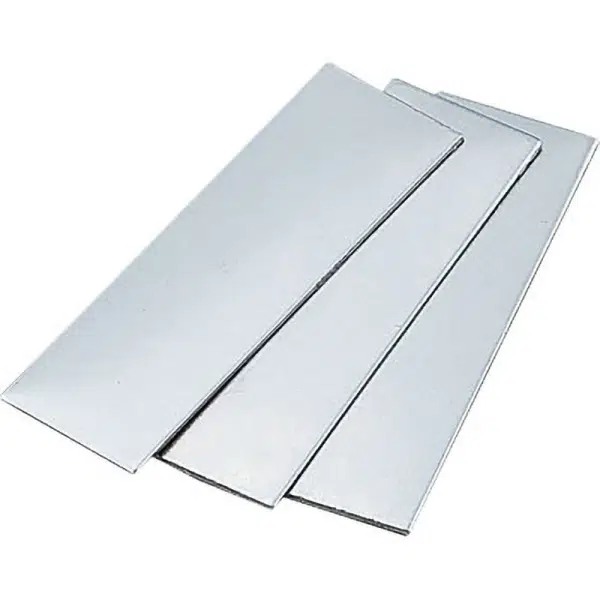
2. Aluminum
Aluminum is valued for its lightweight properties and corrosion resistance, making it suitable for a wide range of applications. Factors to consider when choosing a rolling machine for aluminum include:
- Material Softness: Aluminum is softer than steel, requiring machines with precise control over bending forces to avoid material distortion or surface damage.
- Thickness and Width: Ensure the rolling machine can accommodate the maximum width and thickness of aluminum sheets or profiles you plan to process. Machines with adjustable rollers and pressure settings are beneficial for handling varying material dimensions.
- Material Formability: Due to its lower strength compared to steel, aluminum may require gentler bending processes to maintain dimensional accuracy and surface finish.
3. Stainless Steel
Stainless steel offers excellent corrosion resistance and aesthetic appeal, making it suitable for applications requiring durability and hygiene standards. Key considerations for rolling machines processing stainless steel include:
- Material Hardness: Stainless steel alloys vary in hardness, with some grades being more challenging to bend than others. Select machines equipped with powerful motors and robust frames to handle high-strength stainless steels effectively.
- Surface Finish: Maintain the integrity of stainless steel’s surface finish during bending operations by using rollers and tooling designed to minimize scratches and marks.
- Thickness Range: Choose a rolling machine capable of bending the thickest gauge of stainless steel sheets or profiles required for your specific applications. Machines with CNC controls offer precise bending adjustments, ensuring consistent results across different thicknesses.
Tailoring Machine Specifications to Material Requirements
When evaluating rolling machines, it’s essential to match the machine’s specifications to the unique requirements of the materials you work with:
- Tonnage Capacity: Ensure the machine can apply sufficient force to bend the thickest material within your operational scope without strain or risk of structural damage.
- Roller Configuration: Opt for machines with adjustable roller configurations to accommodate different material widths and thicknesses effectively.
- Tooling and Accessories: Invest in specialized tooling and accessories tailored to specific material types, such as hardened rollers for processing abrasive-resistant steels or anti-marking coatings for sensitive materials like aluminum.

2. Production Volume and Capacity
Evaluate your production requirements in terms of volume and the size of components you intend to manufacture:
- Volume: High-volume production necessitates machines with faster cycle times and possibly automation features to maintain efficiency.
- Pojemność: Ensure the rolling machine can handle the maximum width and thickness of the materials you typically work with. Consider future growth projections when assessing capacity needs.
3. Precision and Tolerance Requirements
Precision in bending and rolling operations is crucial for achieving consistent product quality:
- Tolerance Levels: Some industries, such as aerospace and automotive, require tight tolerances. Machines with advanced control systems and accurate measuring devices are essential for meeting these stringent requirements.
- Repeatable Accuracy: Look for rolling machines equipped with CNC (Computer Numerical Control) systems and digital readouts to ensure precise and repeatable bending operations.

4. Operational Flexibility and Ease of Use
Consider the operational aspects that impact daily workflow and efficiency:
- Changeover Times: Machines with quick-change tooling systems reduce downtime between different production runs or setups.
- User-Friendly Controls: Intuitive interfaces and ergonomic designs enhance operator productivity and reduce the likelihood of errors during operation.
5. Maintenance Requirements and Total Cost of Ownership
Beyond the initial purchase price, factor in ongoing maintenance and operational costs:
- Maintenance: Assess the machine’s maintenance requirements, including regular servicing and availability of spare parts.
- Efektywność energetyczna: Opt for machines that offer energy-saving features to minimize operational costs over the machine’s lifespan.

6. Budget Constraints and Return on Investment (ROI)
Ensure the chosen rolling machine fits within your budgetary constraints while providing a solid return on investment:
- Inwestycja początkowa: Compare prices and features of different models to find the best balance between upfront cost and long-term benefits.
- ROI Considerations: Evaluate how the machine’s capabilities will contribute to increased productivity, improved product quality, and overall profitability.
Wniosek
Choosing the right rolling machine involves a comprehensive assessment of your business’s specific needs, production requirements, and operational goals. By carefully considering factors such as material type, production volume, precision requirements, operational flexibility, maintenance costs, and budget constraints, businesses can make informed decisions that optimize efficiency and competitiveness.
Investing in a well-suited rolling machine tailored to your operational demands ensures smoother production processes, higher-quality outputs, and enhanced overall performance. Whether you are upgrading existing capabilities or expanding your manufacturing capacity, prioritizing these factors will guide you towards selecting the ideal rolling machine that aligns with your business objectives and industry standards.