













24 Ważne punkty dotyczące stosowania pras krawędziowych


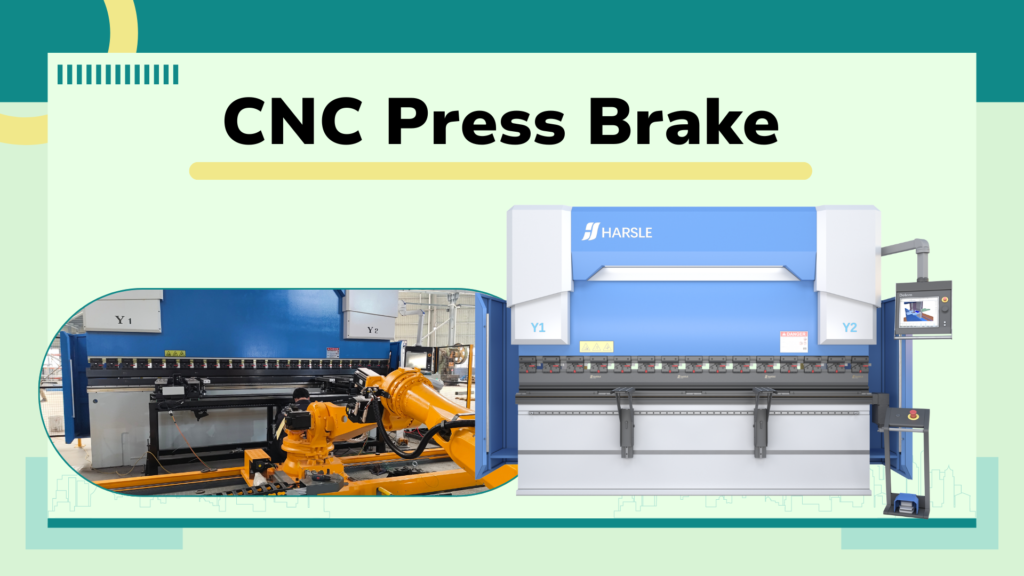
Press brakes are machines used in the manufacturing and metalworking industries to bend and shape sheet metal and other materials into various forms and angles. They operate by applying force to a workpiece using a punch-and-die system. The basic concept of a press brake involves the use of a mechanical, hydraulic, or electric-powered mechanism to drive a punch downward into a stationary die, thereby bending the material to the desired angle.
Press brakes can handle a wide range of materials and thicknesses, making them essential tools in industries such as automotive manufacturing, aerospace, construction, and more. Their versatility, precision, and ability to create complex shapes make them indispensable for shaping various metal components used in a multitude of applications.
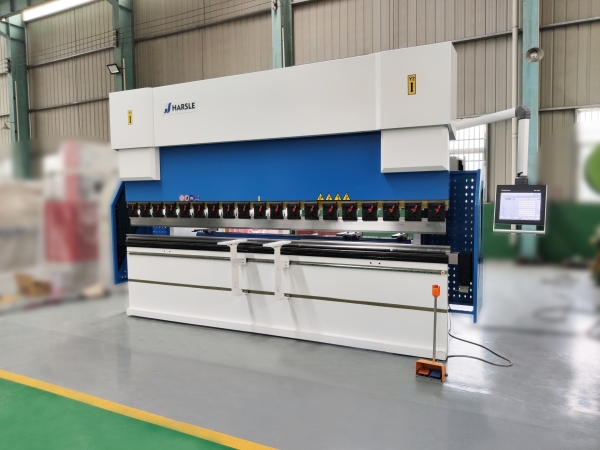
Key Components and Terminology Of Press Brakes
Press brakes are essential tools in the world of metalworking, enabling the precise bending and shaping of sheet metal and other materials. These machines consist of various components that work in harmony to achieve accurate and consistent results. Understanding the key components and terminology of press brakes is crucial for both operators and those interested in the manufacturing process. In this article, we will delve into the core elements that make up press brakes and explore the terminology associated with them.
- Ram and Bed
At the heart of the press brake lies the ram and bed assembly. The ram, often referred to as the upper beam, is the movable component that holds the punch—a tool that pushes the material into the die to create the desired bend. The bed, or lower beam, is the stationary base that houses the die—a specially shaped tool that determines the final shape of the bend. The interaction between the ram and bed is what allows for the bending process to take place. - Die and Punch
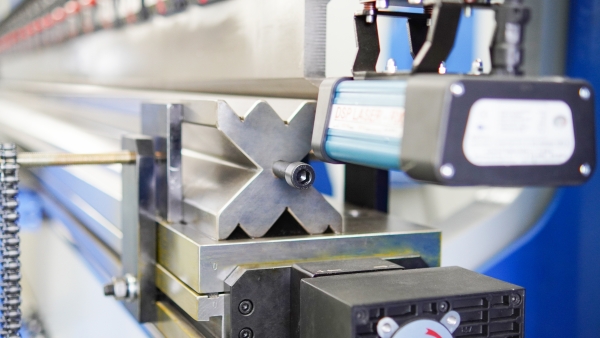
The die and punch are the fundamental tools responsible for shaping the material. The die features a cavity or groove that accommodates the material during bending, while the punch corresponds to the die and applies the force needed to bend the material. These tools come in various shapes and sizes, allowing for a wide range of bending possibilities. The combination of different die and punch configurations enables press brakes to produce everything from simple bends to intricate shapes. - Backgauge System
Precision and consistency are critical in metalworking, and the backgauge system plays a pivotal role in achieving these objectives. The backgauge consists of adjustable fingers or stops that position the workpiece accurately before bending. This system ensures that each piece undergoes the same bending process, leading to uniform results across production runs. In modern press brakes, computer numerical control (CNC) technology has revolutionized the backgauge system, allowing for automated and highly precise positioning. - Control Panel and Automation
The control panel is the interface through which operators interact with the press brake. In manual press brakes, operators adjust the bending parameters, such as angle and depth, using mechanical controls. However, the integration of CNC technology has introduced a new level of automation and precision. CNC-controlled press brakes enable operators to input specific bending instructions digitally. The machine then follows these instructions, ensuring consistent results and minimizing human error. - Hydraulic or Electric Systems
Press brakes can be powered by either hydraulic or electric systems, each with its advantages. Hydraulic press brakes use hydraulic fluid to generate the force required for bending. These systems are known for their high-force capabilities and versatility in bending various materials and thicknesses. On the other hand, electric press brakes utilize electric servo motors to drive the ram. These systems offer precise control and energy efficiency while maintaining high accuracy. - Tonnage and Bending Capacity
Tonnage refers to the amount of force that a press brake can exert on the material during bending. The bending capacity, often specified in terms of length, indicates the maximum length of material that a press brake can effectively bend. Choosing the right tonnage and bending capacity is crucial to ensure that the machine can handle the materials and projects at hand. - V-Die and Punch Tooling
V-die and punch tooling are essential components that directly impact the bend angle and radius. The V-die features a V-shaped groove that determines the inner radius of the bend, while the punch corresponds to this shape to create the outer radius. Tooling options vary based on material thickness and the desired bend angle, allowing for precise customization of the bending process.

In conclusion, press brakes are complex machines comprising various components that collaborate to shape materials with accuracy and efficiency. Understanding the key components and associated terminology is vital for operators and those involved in metalworking processes. From the ram and bed to the back gauge system and control panel, each element contributes to the press brake’s capability to produce a wide range of bends and shapes. As technology continues to advance, press brakes are poised to become even more precise and versatile, shaping the future of metalworking in diverse industries.
Applications of Press Brakes
In the realm of metalworking and manufacturing, press brakes stand as indispensable tools with the power to transform raw materials into precision-crafted components. With their ability to bend and shape sheet metal and various materials, press brakes have found a multitude of applications across diverse industries. This article delves into the wide-ranging applications of press brakes, highlighting their significance and impact in shaping modern production processes.
1. Sheet Metal Bending
Sheet metal bending is perhaps the most well-known application of press brakes. These machines excel at producing crisp, accurate bends in sheet metal, enabling the creation of components used in everything from household appliances to industrial machinery. Press brakes make it possible to achieve a variety of bend angles and geometries, contributing to the structural integrity and aesthetic appeal of the final products.
2. Forming and Embossing
Press brakes have expanded beyond basic bending to enable intricate forming and embossing operations. They can shape sheet metal into complex three-dimensional forms, enhancing the visual and functional aspects of products. From automotive body panels to decorative architectural elements, press brakes play a vital role in producing components that demand both precision and artistry.
3. Coining and Coining Dies
In industries where precision is paramount, such as the minting of coins and the production of fine jewelry, press brakes find application in coining and stamping processes. Coined components require intricate detail and high accuracy, making press brakes an ideal choice for achieving these qualities. Specialized coining dies are used to imprint designs or text onto the material with exceptional precision.
4. Airplane Wing Bending
The aerospace industry relies heavily on components with precise dimensions and tolerances. Press brakes are employed to shape materials used in aircraft construction, such as aluminum and titanium alloys. These materials require careful bending to achieve the aerodynamic and structural specifications necessary for airplane wings, fuselages, and other critical components.
5. Automotive Component Manufacturing
Press brakes play a pivotal role in the production of automotive components, from simple brackets to complex structural elements. The ability to accurately bend and shape materials is essential for creating parts that ensure vehicle safety, performance, and aesthetics. The automotive industry’s demand for high-quality components in large quantities has driven the evolution of press brake technology to accommodate mass production.
6. Architectural Metalwork
In the world of architecture and design, press brakes contribute to the creation of stunning and functional metalwork. From custom railings and staircases to artistic façades, press brakes enable the realization of intricate designs and shapes that merge aesthetics with structural integrity. Architects and designers leverage the versatility of press brakes to achieve their artistic visions while adhering to engineering requirements.
7. Furniture and Consumer Goods
Press brakes play a role in producing components for furniture and consumer goods, adding functionality and aesthetic appeal. Whether it’s the precision bends in a chair frame or the intricate details on a household appliance, press brakes contribute to the manufacturing process. The ability to achieve consistent results ensures that these products meet quality standards and customer expectations.
8. Energy and Renewable Industries
In the energy sector, press brakes are used to create components for renewable energy systems, such as wind turbines and solar panels. These components require specific shapes and geometries to optimize energy capture and efficiency. Press brakes aid in fabricating frames, supports, and enclosures that withstand challenging environmental conditions.

As technology advances, so does the scope of press brake applications. The integration of computer numerical control (CNC) systems and simulation software has opened new possibilities for precision and customization. Press brakes continue to shape industries by enabling the creation of innovative designs, efficient manufacturing processes, and sustainable products that meet the demands of a rapidly evolving world. From aerospace to architecture, press brakes remain at the forefront of modern manufacturing, empowering industries to push the boundaries of what’s possible.
Factors Influencing Press Brakes Applications
In the world of metalworking and fabrication, press brakes play a pivotal role in transforming raw materials into precisely bent and shaped components. These versatile machines are employed across industries for a wide range of applications, from automotive manufacturing to architectural metalwork. The success of each press brake application is contingent on a multitude of factors that influence the bending process. This article explores the key factors that impact press brake applications and the art of achieving precision in bending.
1. Material Properties
The type and properties of the material being bent significantly affect the bending process. Factors such as material thickness, ductility, and tensile strength determine how easily the material can be shaped without cracking or deforming. Press brake operators must understand the characteristics of different materials to select appropriate bending methods, tools, and parameters.
2. Tooling and Die Design
Tooling, including the shape and size of punches and dies, directly impacts the final outcome of the bend. The choice of tooling should align with the material type and thickness, as well as the desired bend angle and radius. Proper tooling selection ensures consistent results and minimizes defects such as spring back—when the material returns to its original shape after bending.
3. Machine Capacity and Configuration
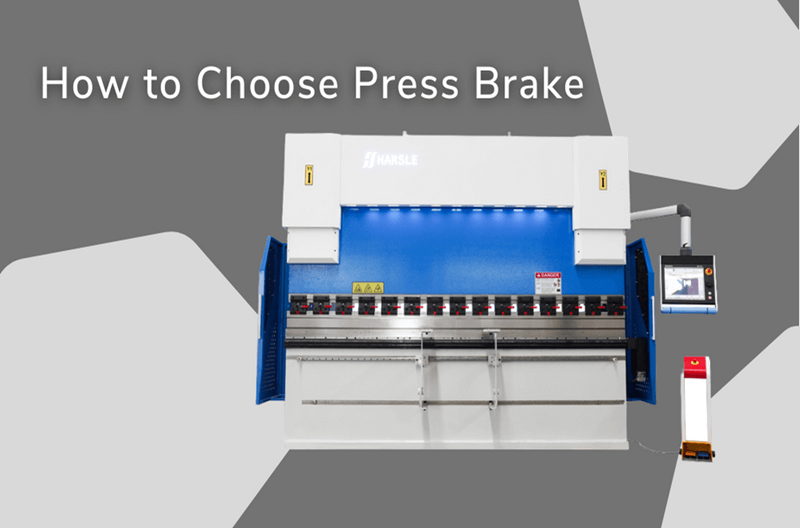
The tonnage and bending capacity of a press brake defines its ability to handle various materials and project requirements. Tonnage refers to the force applied during bending, and the machine’s capacity specifies the maximum length and thickness of material it can effectively handle. Selecting the right press brake ensures that the machine can handle the bending tasks with precision and efficiency.
4. Bend Accuracy and Consistency
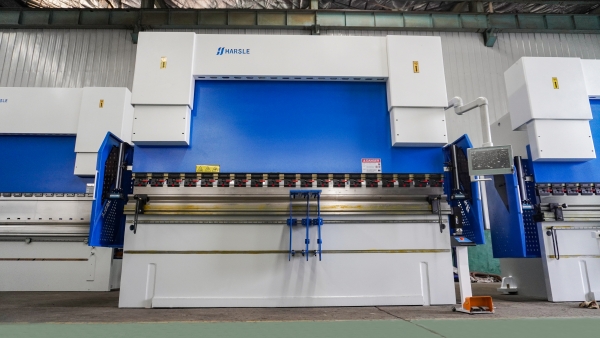
Achieving bend accuracy and consistency is crucial, especially when producing multiple identical parts. The backgauge system, which positions the material accurately for each bend, is a key element in achieving uniformity. CNC-controlled backgauges enable precise positioning, reducing the likelihood of errors and ensuring consistent results across production runs.
5. Safety Considerations
Press brakes involve powerful forces and moving parts, making safety a paramount concern. Proper training for operators and adherence to safety protocols are essential to prevent accidents. Machine guarding, emergency stop buttons, and protective measures ensure the well-being of operators and maintain a safe working environment.
6. Complexity of Bends
The complexity of the bends required for a specific application can influence the choice of press brake and tooling. Simple bends may require standard tooling configurations, while intricate shapes might necessitate custom-made tooling to achieve the desired results accurately. Complex bends also often require skilled operators who understand the nuances of the bending process.
7. Batch Size and Production Speed
The size of the production run, whether small batches or high-volume production, impacts the choice of press brake and the overall manufacturing strategy. CNC-controlled press brakes can significantly expedite production, especially when programming multiple bends and angles for various components.
8. Material Handling and Setup Time
Efficiency in material handling and setup time is a critical consideration. Streamlining the loading and unloading of materials, as well as minimizing tool changes and adjustments, can optimize production processes and reduce downtime.
9. Operator Skill and Training
Skilled operators who understand the intricacies of the bending process are vital for successful press brake applications. Proper training ensures that operators can select the right parameters, tooling, and techniques to achieve the desired results while avoiding errors and defects.
In conclusion, the precision and success of press brake applications depend on a myriad of interconnected factors. From material properties and tooling to machine capacity and operator expertise, each element influences the bending process. The art of achieving precision in bending lies in the harmonious consideration of these factors, resulting in components that meet exacting standards and contribute to the success of industries ranging from aerospace to architectural design. As technology advances, press brake applications continue to evolve, empowering manufacturers to push the boundaries of what’s achievable in metalworking and fabrication.