















4 Top Essential Applications of Punching Machine


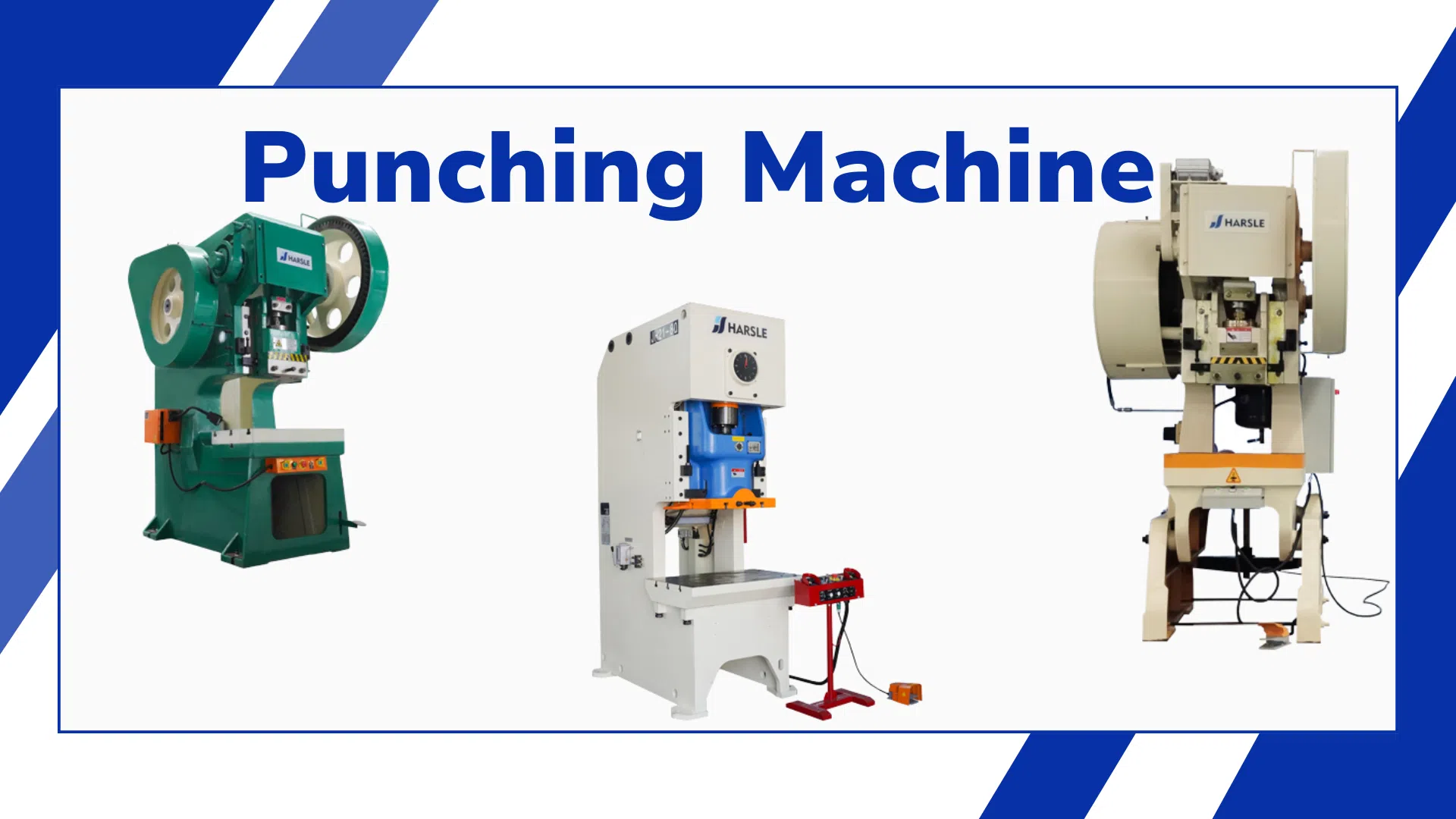
A punching machine is a mechanical or hydraulic device used to create holes, slots, or other shapes in various materials, such as metal sheets, plastics, leather, paper, and cardboard. It typically consists of a punching tool, which includes a punch and a die, and a power transmission system to deliver the necessary force.
Sheet Metal Fabrication

Sheet metal fabrication is a process that involves cutting, bending, and shaping sheet metal to create various components and products. Punching machines are an essential tool in this process, as they enable precise and efficient cutting of holes, slots, and notches in sheet metal. In this article, we will explore the sheet metal fabrication process of punching machines and their various applications in different industries.
Overview of Sheet Metal Fabrication Sheet metal fabrication is a common manufacturing process used in various industries, including automotive, aerospace, construction, and more. It involves cutting, bending, and shaping metal sheets to create different components and products, such as car parts, HVAC systems, and structural components.
Sheet metal is typically made of steel, aluminum, or other metals and comes in various thicknesses and sizes. The fabrication process involves the use of various tools, including punching machines, to create precise cuts, bends, and shapes.
Punching Machines in Sheet Metal Fabrication Punching machines are an essential tool in the sheet metal fabrication process, as they allow for the precise cutting of holes, slots, and notches in the metal sheets. These machines use a punching tool, which is made of hardened steel and is designed to pierce through the metal sheet.
The punching tool is mounted on a press, which applies pressure to the tool, causing it to penetrate the sheet metal. The machine also has a die, which supports the metal sheet during punching and ensures a clean and accurate cut.
The punching machine can be manually operated, or it can be CNC-controlled for increased precision and efficiency. CNC-controlled punching machines are equipped with software that allows for the creation of custom designs and patterns, making them ideal for high-volume production.
Applications of Punching Machines in Sheet Metal Fabrication Punching machines are used in a variety of sheet metal fabrication applications, including:
- Creating Holes: Punching machines are commonly used to create precise holes in metal sheets, which are used for various purposes, such as ventilation, drainage, and fastening.
- Forming Shapes: Punching machines can create various shapes in sheet metal, such as squares, rectangles, and circles, which are commonly used in the fabrication of HVAC ductwork and other components.
- Notching: Punching machines can also be used to create notches in sheet metal, which are used for joining different components together.
- Custom Designs: CNC-controlled punching machines can be used to create custom designs and patterns, making them ideal for creating unique components and products.
Hole Punching And Perforation

Hole punching and perforation are essential techniques used in various industries to enhance the functionality and aesthetics of materials. From packaging to textiles, and ventilation systems to decorative designs, the applications of hole punching and perforation are diverse and far-reaching. In this article, we will explore the importance, techniques, and applications of hole punching and perforation across different sectors.
Importance of Hole Punching and Perforation Hole punching and perforation techniques serve several important purposes:
- Ventilation and Airflow: Creating precise holes or perforations in materials allows for the passage of air, facilitating ventilation in applications such as HVAC systems, air filters, and acoustic panels.
- Drainage and Filtration: Perforations enable liquids or gases to pass through materials, making them suitable for drainage systems, water filters, and sieves.
- Fastening and Attachment: Holes punched in materials allow for fastening components together, such as using screws, bolts, or rivets. They provide secure attachment points for various products and structures.
- Functionality and Usability: Hole punching and perforation can enhance the functionality of materials, making them easier to handle, stack, or transport. They also improve user experience by facilitating easy access to contents or providing grip handles.
- Aesthetics and Design: Well-designed hole patterns and perforations can elevate the visual appeal of materials, adding artistic and decorative elements. They are used in applications ranging from architecture and interior design to fashion and packaging.
Techniques for Hole Punching and Perforation Hole punching and perforation techniques vary depending on the material, desired hole size and shape, and production volume. Some commonly used techniques include:
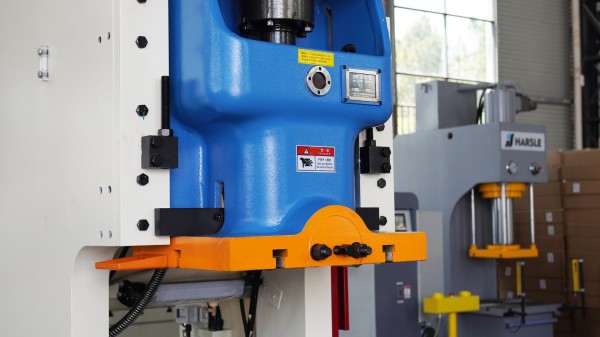
- Mechanical Punching: Mechanical punching machines utilize a punching tool, typically a punch and a die, to create holes in materials. The machine applies force to the tool, piercing through the material and creating a clean hole.
- Laser Cutting: Laser technology is employed to precisely cut holes or perforate materials with high accuracy. Laser cutting offers flexibility in creating intricate hole patterns and is suitable for a wide range of materials, including metals, plastics, and fabrics.
- Waterjet Cutting: Waterjet cutting employs a high-pressure stream of water mixed with abrasive materials to cut through various materials. It is effective for creating holes and perforations in thick or hard materials like metals, stone, and composites.
Applications of Hole Punching and Perforation Hole punching and perforation techniques find applications across numerous industries:
- Packaging and Printing: Perforations are used in packaging materials like cardboard boxes and paperboard cartons to facilitate opening, tearing, or creating ventilation. Hole punching allows for hanging displays, retail packaging, and convenient handling of products.
- Textiles and Fashion: Fabrics and textiles can be perforated to create patterns, designs, or breathable surfaces. They find use in apparel, upholstery, footwear, and sports equipment industries.
- Construction and Architecture: Perforated metal sheets are widely employed in architectural facades, sunshades, and interior design elements. They offer both functionality and aesthetic appeal, allowing for airflow, light diffusion, and unique visual effects.
- Filtration and Sieving: Hole punching and perforation techniques are essential in manufacturing filters, sieves, and screens used in air, water, and industrial filtration systems.
- Automotive and Aerospace: Hole punching is critical in manufacturing components such as car panels, body parts, and aircraft interiors. Perforations contribute to weight reduction, sound absorption, and ventilation in automotive and aerospace applications.
Conclusion Hole punching and perforation techniques are versatile tools that enhance the functionality and aesthetics of materials across various industries. From improving airflow and drainage to providing fastening points and adding artistic flair, these techniques offer a range of benefits. With advancements in technology and manufacturing processes, hole punching and perforation continue to evolve, enabling innovative applications and pushing the boundaries of design and functionality in numerous sectors.
Metal Stamping
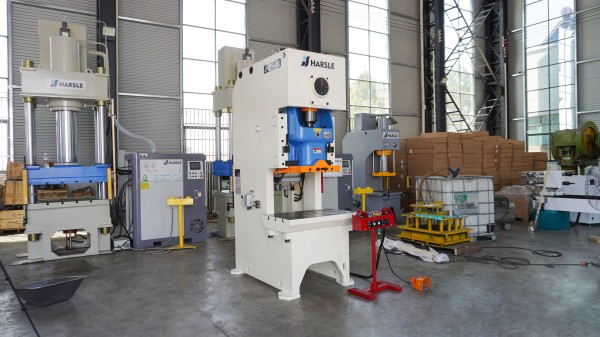
Metal stamping is a versatile manufacturing process that involves shaping metal sheets into desired forms through the use of punching machines. With their ability to create intricate shapes, emboss designs, and form complex components, punching machines play a crucial role in the metal stamping process. In this article, we will explore the significance, techniques, and applications of metal stamping with punching machines.
The Importance of Metal Stamping Metal stamping is widely employed in industries such as automotive, aerospace, appliance manufacturing, and beyond. It offers several key advantages:
- Efficiency and Cost-effectiveness: Metal stamping allows for high-volume production with consistent precision, making it a cost-effective manufacturing method. It enables manufacturers to produce large quantities of parts quickly, reducing production costs per unit.
- Complex Component Creation: Metal stamping provides the capability to form intricate shapes and designs in metal sheets, meeting the demands of complex component manufacturing. It enables the production of parts with high dimensional accuracy and repeatability.
- Strength and Durability: Metal stamping creates components that are robust and durable, capable of withstanding various operating conditions. Stamped parts often exhibit excellent structural integrity and mechanical properties.
Techniques Used in Metal Stamping with Punching Machines Punching machines are integral to the metal stamping process, employing various techniques to shape metal sheets:

- Blanking: Blanking involves cutting out a flat shape from a metal sheet. The punching machine uses a punch and a die to create the desired shape by exerting force on the metal sheet.
- Bending: Bending is the process of shaping metal sheets into desired angles or curves. The punching machine utilizes specialized bending tools to deform the metal sheet accurately.
- Coining: Coining is a technique used to create precise and crisp features, such as embossed logos or lettering. The punching machine applies high pressure to the metal sheet, forming the desired design on the surface.
- Piercing: Piercing involves creating holes or perforations in metal sheets. The punching machine utilizes a punch and a die to remove specific sections of the material, forming clean and accurate holes.
Applications of Metal Stamping with Punching Machines Metal stamping with punching machines find extensive applications across various industries:
- Automotive Industry: Metal stamping is widely used in the automotive sector for manufacturing body panels, brackets, chassis components, and other structural parts. The precise shaping and forming capabilities of punching machines ensure consistency and accuracy in the production of these critical automotive components.
- Aerospace and Aviation Industry: Metal stamping is instrumental in producing aircraft components, including structural parts, brackets, and fittings. The ability of punching machines to form complex shapes with high precision is crucial for maintaining safety and performance standards in the aerospace industry.
- Appliance Manufacturing: Punching machines are employed in the production of household appliances such as refrigerators, washing machines, and ovens. Metal stamping enables the creation of panels, cabinets, and internal components with tight tolerances and consistent quality.
- Electronics and Electrical Industry: Metal stamping is utilized in manufacturing electronic enclosures, connectors, and electrical components. The precision and repeatability of punching machines ensure the proper fit, functionality, and electromagnetic shielding capabilities of these components.
- Furniture and Decorative Products: Metal stamping is also employed in the production of furniture, decorative items, and architectural elements. The ability to create unique shapes, patterns, and textures enhances the aesthetics and functionality of these products.
Conclusion Metal stamping with punching machines offers precision, versatility, and efficiency in the manufacturing process. It enables the production of complex components, embossed designs, and accurately formed parts in various industries. With advancements in punching machine technology and processes, metal
Electrical Panel and Switchboard Fabrication
Electrical panels and switchboards are crucial components of electrical systems, serving as control centers for power distribution and circuit protection. The fabrication of these panels requires precise and efficient manufacturing processes to ensure their functionality and reliability. Punching machines play a vital role in electrical panel and switchboard fabrication, enabling the creation of openings, cutouts, and precise punch patterns. In this article, we will delve into the significance, techniques, and applications of punching machines in electrical panel and switchboard fabrication.
Importance of Punching Machines in Electrical Panel and Switchboard Fabrication Electrical panel and switchboard fabrication demands precision, accuracy, and efficiency. Punching machines offer several key advantages for this process:
- Precise Cutouts and Openings: Punching machines provide the ability to create accurate cutouts and openings in metal sheets used for electrical panels and switchboards. This allows for the precise placement of switches, circuit breakers, meters, and other components.
- Consistency and Repeatability: Punching machines ensure consistent and repeatable results in panel fabrication. This is crucial for maintaining standard dimensions, hole placements, and alignment for various components, ensuring the proper functioning of the electrical system.
- Speed and Efficiency: Punching machines enable high-speed production, allowing for the efficient fabrication of electrical panels and switchboards. The automated operation and fast cycle times of these machines contribute to increased productivity and reduced manufacturing lead times.
- Customization and Adaptability: Punching machines offer customization options, allowing for the creation of specific punch patterns, hole sizes, and shapes. This flexibility enables the fabrication of panels tailored to specific electrical system requirements.
Techniques Used in Electrical Panel and Switchboard Fabrication with Punching Machines Punching machines utilize various techniques to fabricate electrical panels and switchboards:
- Hole Punching: Punching machines can create precise holes of various sizes and shapes in metal sheets. These holes accommodate switches, meters, indicators, and other electrical components, ensuring proper fit and alignment.
- Cutouts and Notches: Punching machines can also create cutouts and notches in metal sheets to accommodate larger components, cable entries, or cable routing. These cutouts and notches are critical for organizing and managing electrical wiring within the panel or switchboard.
- Lettering and Labeling: Punching machines equipped with specialized tooling can emboss or deboss letters, numbers, and symbols onto metal sheets. This allows for clear labeling and identification of circuit breakers, control points, or panel sections.
Applications of Punching Machines in Electrical Panel and Switchboard Fabrication Punching machines find extensive applications in electrical panel and switchboard fabrication:
- Control Panel Manufacturing: Punching machines are used to create openings and cutouts for mounting control switches, push buttons, indicator lights, and other control devices on control panels. The precise punch patterns ensure proper alignment and functionality.
- Switchboard Fabrication: Punching machines enable the creation of precise cutouts for mounting circuit breakers, busbars, power distribution components, and cable entries in switchboards. This ensures efficient power distribution and circuit protection.
- Enclosure Production: Punching machines are utilized to create openings, ventilation holes, and cable entry points in enclosures used for housing electrical panels and switchboards. These openings facilitate cooling, airflow, and cable management within the enclosure.
- Industrial and Commercial Applications: Punching machines are employed in the fabrication of electrical panels and switchboards for industrial plants, commercial buildings, data centers, and infrastructure projects. They cater to diverse electrical system requirements in sectors such as manufacturing, telecommunications, healthcare, and more.