















วิธีอัพเกรดเครื่องอัดไฮดรอลิกของคุณเพื่อเพิ่มผลผลิต


In today’s competitive manufacturing landscape, improving productivity is key to maintaining profitability. A hydraulic press, as a critical component in many industrial processes, offers a great opportunity for optimization. While purchasing a new machine might seem like the best solution, upgrading your existing hydraulic press can often provide a cost-effective way to boost efficiency without the need for a major capital investment. This article will guide you through the essential steps and strategies for upgrading your hydraulic press to improve productivity, enhance precision, and extend its useful life.

1. Assessing the Need for an Upgrade
Before diving into the specifics of upgrading, it’s crucial to assess whether your hydraulic press needs an upgrade or if it’s time for a complete replacement. Start by asking these questions:
- Is the machine meeting current production demands?
- Are you experiencing frequent breakdowns or malfunctions?
- Is the machine operating inefficiently, with excessive energy consumption or longer cycle times?
- Are you facing challenges in precision or consistency?
If you’re dealing with any of these issues, a well-planned upgrade could be the solution.
2. Benefits of Upgrading a Hydraulic Press
Upgrading a hydraulic press brings several advantages to the manufacturing process:
- Increased productivity: Upgraded components can reduce cycle times, increase throughput, and minimize downtime.
- Improved accuracy: New control systems, sensors, and actuators can enhance the precision of each operation, leading to more consistent product quality.
- Reduced maintenance costs: Modern components are more reliable and energy-efficient, reducing the need for constant repairs and lowering overall maintenance costs.
- Extended machine life: Strategic upgrades can extend the lifespan of the press by several years, delaying the need for a full replacement.
Now, let’s explore the specific areas of a hydraulic press that can be upgraded.

3. Key Areas for เครื่องอัดไฮดรอลิก Upgrades
A. Control Systems Upgrade
One of the most impactful upgrades you can make to a hydraulic press is upgrading the control system. Many older machines rely on outdated, manual controls, which can limit both accuracy and flexibility. Here’s how a control system upgrade can improve productivity:
1. CNC Controls
Adding Computer Numerical Control (CNC) to your hydraulic press can drastically improve precision and automation. CNC allows for the programming of complex, repeatable movements, ensuring consistency in production. With a CNC-controlled press, you can:
- Automate routine tasks to reduce human error.
- Store and recall multiple job programs, reducing setup times.
- Enable multi-axis control, expanding the machine’s capability to handle more complex tasks.
2. Programmable Logic Controllers (PLC)
If CNC is not necessary for your operations, upgrading to a PLC system is another effective option. A PLC offers improved automation, monitoring, and diagnostics compared to manual systems. It can:
- Optimize the machine’s cycle time by precisely controlling the press stroke and pressure.
- Monitor performance in real-time, identifying issues before they lead to downtime.
- Simplify integration with other manufacturing systems for streamlined operations.

B. Hydraulic System Enhancements
The hydraulic system is the core of any เครื่องอัดไฮดรอลิก. Upgrading hydraulic components can significantly increase both performance and energy efficiency.
1. Hydraulic Pump Upgrade
Older presses often use inefficient pumps that consume more energy than necessary. Consider upgrading to a modern pump, such as a variable displacement pump or a servo-driven pump:
- Variable displacement pumps automatically adjust the flow rate based on the press’s demand, reducing energy consumption during idle periods.
- Servo-driven pumps offer precise control over the press’s movements, resulting in smoother operations and reduced cycle times.
2. Hydraulic Fluid Monitoring and Filtration
Ensuring that your press operates with clean, high-quality hydraulic fluid is essential for maintaining system performance. An upgrade to an advanced filtration system can:
- Extend the lifespan of hydraulic components by removing contaminants.
- Improve the machine’s reliability by reducing the chances of hydraulic failure.
- Lower maintenance costs by reducing the frequency of fluid changes.
Additionally, installing fluid monitoring systems can help you track fluid condition in real-time, allowing for proactive maintenance.
C. Upgrading the Cylinder and Actuators
The performance of the press’s cylinder and actuators directly impacts the speed, force, and accuracy of each operation. Over time, these components can wear out, leading to inefficiencies. Consider the following upgrades:
- High-precision actuators: These provide better control over the press’s movement, ensuring consistent force application and reducing the risk of material deformation.
- Servomechanisms: If your press handles complex tasks or requires extreme precision, upgrading to servo-driven actuators allows for more accurate positioning and smoother operation.
- Cylinder rebuild or replacement: Replacing an old or worn-out cylinder with a modern, higher-capacity model can improve the machine’s force capacity, allowing it to handle more demanding jobs.
D. Sensors and Monitoring Systems
Adding sensors and monitoring systems to your hydraulic press can provide real-time data on performance, improving productivity and reducing downtime.
1. Force and Position Sensors
Upgrading your press with force and position sensors allows you to track critical parameters during each cycle. These sensors ensure that the press operates within the correct specifications, preventing defective parts and reducing scrap rates.
2. Pressure and Temperature Monitoring
Pressure and temperature sensors can monitor the hydraulic system’s performance, providing early warnings of potential problems such as leaks or overheating. This proactive approach helps avoid costly breakdowns and ensures smoother operation.
3. Condition Monitoring Systems
Advanced condition monitoring systems continuously track the health of the press and its components. They can alert operators to issues like excessive vibration or wear, allowing for preventive maintenance before a failure occurs. This reduces unplanned downtime and extends the life of critical components.
E. Energy Efficiency Upgrades
Energy consumption is a significant concern in hydraulic press operations, particularly in large manufacturing facilities. Upgrading your press with energy-efficient components can not only reduce costs but also improve productivity.
1. Variable Frequency Drives (VFDs)
Installing VFDs allows for better control over the press’s motor speed. By adjusting the motor speed to match the press’s workload, you can:
- Reduce energy consumption during low-load operations.
- Extend the motor’s lifespan by preventing overuse.
- Improve overall system efficiency.
2. Smart Power Management Systems
A smart power management system can optimize energy usage by automatically shutting down idle components or adjusting power consumption based on demand. This upgrade reduces both energy costs and the press’s carbon footprint.

4. Retrofitting Your Hydraulic Press with Automation
For many manufacturers, one of the most effective ways to improve productivity is by integrating automation into the hydraulic press system. Automation can range from simple material handling upgrades to full robotic integration.
1. Automated Material Handling Systems
Upgrading your press with automated material feeding and extraction systems can drastically reduce manual labor and increase throughput. These systems can be programmed to handle materials of varying sizes and shapes, ensuring smooth and efficient operation.
2. Robotic Integration
For more advanced automation, integrating robots with your hydraulic press allows for seamless handling of complex tasks. Robots can:
- Load and unload materials with precision.
- Perform tasks such as part inspection or assembly, directly at the press station.
- Operate in conjunction with the press to perform simultaneous operations, increasing overall productivity.
5. Software Upgrades for Improved Data Management
In the era of Industry 4.0, data plays a vital role in optimizing productivity. By upgrading your hydraulic press’s software and integrating it with advanced data management systems, you can:
- Monitor and analyze machine performance in real-time.
- Generate reports on key metrics such as cycle times, force application, and energy consumption.
- Use predictive analytics to forecast maintenance needs and prevent unplanned downtime.
- Enable remote access and diagnostics, allowing technicians to troubleshoot issues without being physically present at the machine.
6. Conclusion: A Smart Investment for Long-Term Productivity
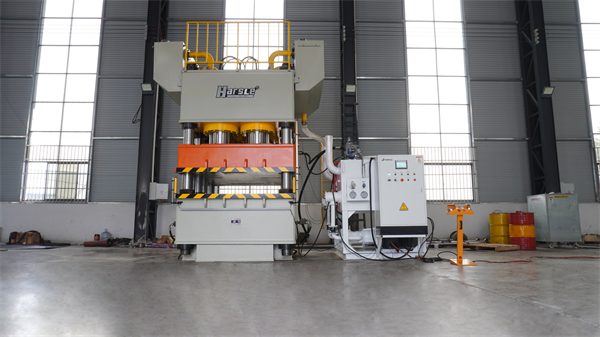
Upgrading your hydraulic press is a smart investment that can yield substantial benefits in productivity, efficiency, and machine longevity. Whether you choose to enhance the control system, improve hydraulic components, or integrate automation, each upgrade contributes to smoother, more efficient operations. By carefully planning and prioritizing these upgrades, you can extend the life of your press, reduce operational costs, and meet the growing demands of modern manufacturing.
In a competitive market, maximizing the potential of your existing equipment is a cost-effective way to stay ahead. By upgrading your hydraulic press for improved productivity, you not only enhance your current capabilities but also future-proof your operations for continued success.