














วิธีเพิ่มประสิทธิภาพการทำงานของเครื่องอัดไฮดรอลิกเพื่อประสิทธิภาพที่ดีขึ้น

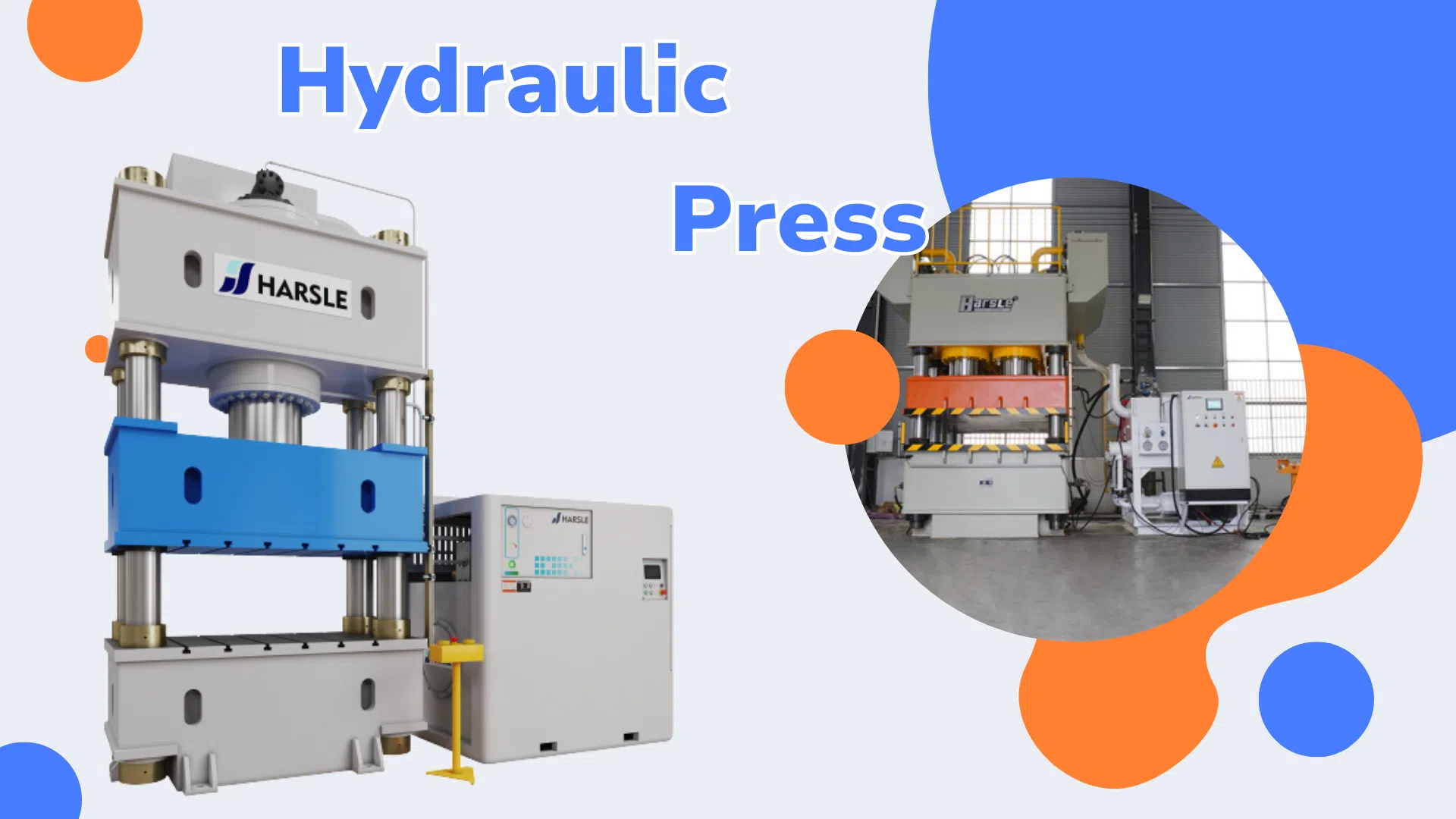
เครื่องอัดไฮดรอลิก are vital machines in numerous industrial processes, from metal forming to plastic molding. Their efficiency directly affects production rates, product quality, and operational costs. To maximize the performance of a hydraulic press, it’s crucial to focus on several key areas, including maintenance, optimization of settings, and leveraging advanced technologies. This article delves into practical strategies for enhancing hydraulic press efficiency and ensuring consistent, high-quality production.
1. Regular Maintenance and Inspection

1.1 Importance of Routine Maintenance
Routine maintenance is the cornerstone of hydraulic press efficiency. Regular checks help identify potential issues before they escalate into major problems, reducing downtime and extending the machine’s lifespan. Key maintenance tasks include:
- Hydraulic Fluid Level Checks: Ensure the hydraulic fluid is at the recommended level and top it up as needed. Low fluid levels can lead to inefficient operation and potential damage to the system.
- Fluid Quality: Periodically test the hydraulic fluid for contamination and degradation. Dirty or degraded fluid can affect press performance and cause wear on components.
- Filter Replacement: Regularly replace hydraulic filters to keep contaminants out of the system. Clogged filters can reduce fluid flow and press efficiency.
- Component Inspection: Inspect key components such as cylinders, pumps, and valves for signs of wear or leaks. Addressing these issues promptly can prevent more significant failures.
1.2 Developing a Maintenance Schedule
Establish a comprehensive maintenance schedule that includes daily, weekly, monthly, and annual tasks. Document each inspection and repair to track the machine’s performance over time. Adhering to this schedule will help ensure that the hydraulic press operates at peak efficiency.
2. Optimize Hydraulic Fluid Use

2.1 Selecting the Right Hydraulic Fluid
Choosing the appropriate hydraulic fluid is crucial for optimizing press performance. The fluid should have the right viscosity, lubricating properties, and thermal stability for your specific press and operating conditions. Consult the manufacturer’s recommendations for fluid specifications.
2.2 Managing Fluid Temperature
Maintaining the hydraulic fluid at an optimal temperature is essential for efficient operation. Excessive heat can cause fluid degradation, while too-cool temperatures can increase fluid viscosity and reduce efficiency. Use cooling systems or heaters as necessary to maintain the fluid within the recommended temperature range.
2.3 Fluid Contamination Control
Contaminants in hydraulic fluid can cause damage to the system and reduce efficiency. Implement measures to prevent contamination, such as using clean storage containers, maintaining proper seals, and using filtration systems.
3. Calibration and Settings Optimization

3.1 Adjusting Pressure Settings
Properly adjusting the pressure settings on your hydraulic press is crucial for efficient operation. Operating at excessively high pressures can lead to increased wear and energy consumption, while too-low pressures can result in insufficient performance. Regularly calibrate the pressure settings to match the requirements of your specific applications.
3.2 Stroke and Speed Adjustments
Optimize the stroke length and speed of the hydraulic press according to the material and operation requirements. Fine-tuning these parameters can improve efficiency and ensure consistent product quality. Adjust the settings based on factors such as material thickness, type, and desired production speed.
3.3 Control System Configuration
Modern hydraulic presses often come with advanced control systems that allow for precise adjustments and monitoring. Familiarize yourself with the control system and make use of features such as programmable settings, real-time monitoring, and data logging to optimize performance.
4. Implementing Advanced Technologies

4.1 Automation and Robotics
Integrating automation and robotics into your hydraulic press operations can significantly enhance efficiency. Automated systems can handle repetitive tasks with precision, reducing cycle times and minimizing human error. Robots can be used for tasks such as loading and unloading materials, which can streamline the production process.
4.2 IoT and Data Analytics
Leveraging the Internet of Things (IoT) and data analytics can provide valuable insights into hydraulic press performance. Sensors and monitoring systems can collect data on various parameters such as pressure, temperature, and cycle times. Analyzing this data can help identify inefficiencies, predict maintenance needs, and optimize overall performance.
4.3 Upgrading Control Systems
Consider upgrading your hydraulic press’s control system to incorporate advanced features such as programmable logic controllers (PLCs) or distributed control systems (DCS). These systems can offer greater precision, flexibility, and efficiency in managing press operations.
5. Training and Operator Expertise
5.1 Operator Training Programs
Investing in comprehensive training programs for operators is essential for maximizing hydraulic press efficiency. Well-trained operators will have a better understanding of the machine’s capabilities, maintenance requirements, and optimal settings. Regular training sessions can help ensure that operators stay up-to-date with the latest best practices and technologies.
5.2 Encouraging Best Practices
Promote best practices among operators, such as proper machine setup, adherence to safety protocols, and careful handling of materials. Encouraging a culture of efficiency and responsibility can lead to better performance and reduced operational issues.
6. Monitoring and Continuous Improvement

6.1 Performance Monitoring
Regularly monitor the performance of your hydraulic press to identify areas for improvement. Use performance metrics such as cycle times, energy consumption, and product quality to assess efficiency. Address any deviations from expected performance promptly to maintain optimal operation.
6.2 Implementing Continuous Improvement
Adopt a continuous improvement approach to enhance hydraulic press performance over time. Regularly review and analyze performance data, seek feedback from operators, and implement changes based on findings. This proactive approach can lead to ongoing efficiency gains and better overall performance.
7. Addressing Common Issues
7.1 Troubleshooting Performance Problems
When performance issues arise, conduct a thorough troubleshooting process to identify the root cause. Common issues include hydraulic leaks, inconsistent pressure, and uneven operation. Use diagnostic tools and consult the machine’s manual to address these problems effectively.
7.2 Preventing Downtime
Minimize downtime by implementing preventive measures and having a responsive maintenance team. Develop contingency plans for common issues and keep essential spare parts on hand to quickly address any breakdowns.
บทสรุป
Optimizing hydraulic press performance for enhanced efficiency involves a multifaceted approach that includes regular maintenance, careful fluid management, precise calibration, and leveraging advanced technologies. By focusing on these areas, you can improve production rates, reduce operational costs, and maintain high product quality. Investing time and resources into optimizing your hydraulic press will pay off in the form of increased efficiency, reliability, and overall success in your manufacturing processes.