










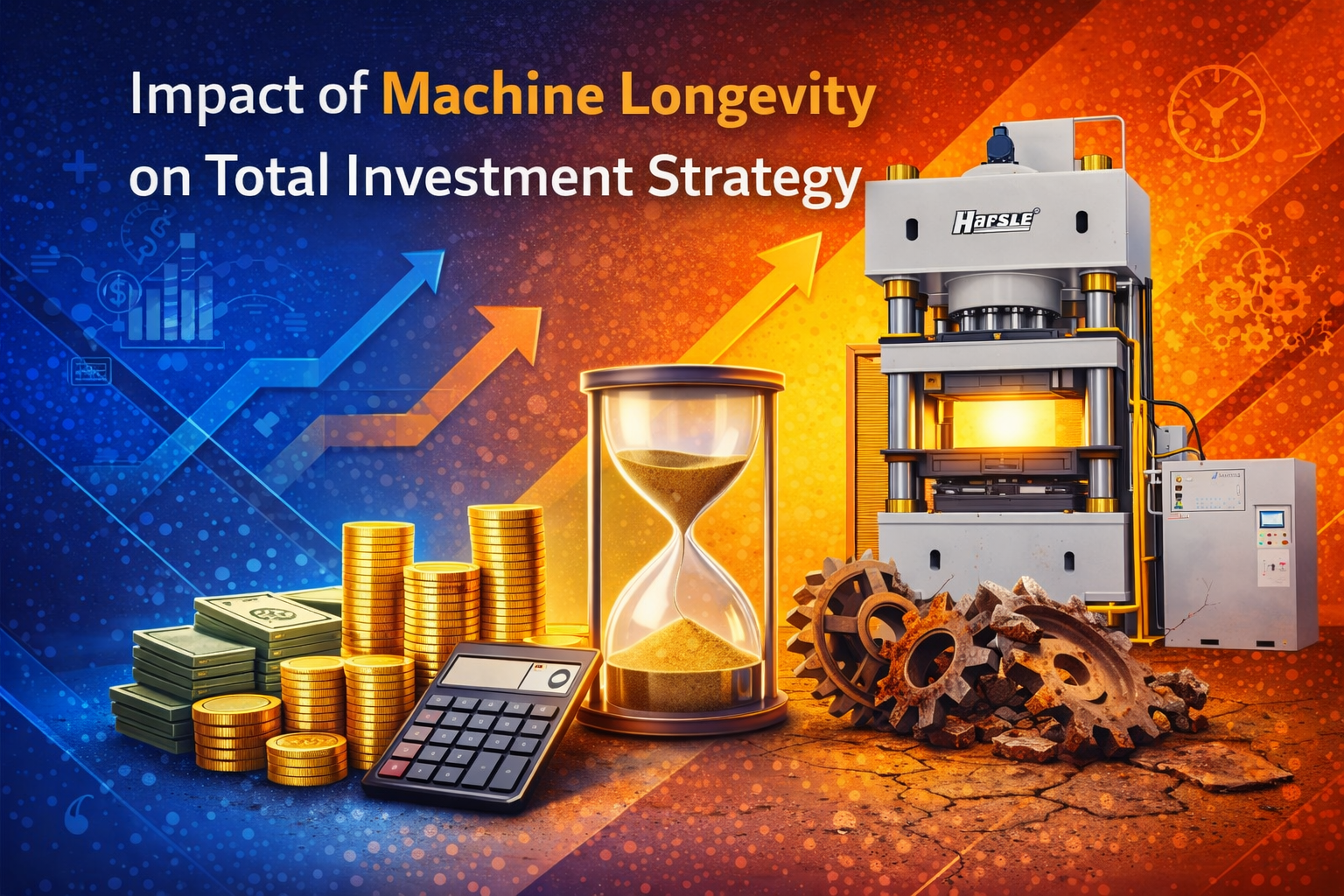
Impact of Machine Longevity on Total Investment Strategy

In the high-stakes environment of sheet metal fabrication, capital equipment procurement is often the single largest expenditure a company will face. For factory owners and production managers, the primary keyword for financial success is Machine Longevity. While the initial purchase price of a CNC press brake or a fiber laser cutting system often dominates the decision-making process, it is the equipment’s ability to maintain precision and reliability over a 15-to-20-year horizon that truly determines the success of a total investment strategy. Equipment that degrades quickly not only incurs higher maintenance costs but also fails to hold the tight tolerances required for modern engineering standards, such as consistent bending angles across varying sheet thickness.
Understanding the impact of machine longevity requires a shift from viewing a machine as a one-time cost to viewing it as a long-term asset. In this technical analysis, we will examine why the structural integrity of a machine frame, the quality of its backgauge system, and its ability to handle high material tensile strength over thousands of cycles are the true markers of a sound industrial investment. We will explore the engineering principles that distinguish short-term bargains from long-term workhorses.
Understanding the Basics of Industrial Equipment Lifespan
In the context of sheet metal machinery, longevity is defined as the period during which a machine can operate at its rated specifications—such as tonnage capacity and positioning accuracy—without requiring a complete structural overhaul. This is not merely about the machine “turning on,” but about its ability to produce parts that meet strict quality control standards. For a press brake, this involves the repeatable accuracy of the Y1/Y2 axes; for a laser, it involves the stability of the beam path and the motion system’s acceleration capabilities.
“Longevity in metalworking machinery is the intersection of robust mechanical engineering and proactive electronic lifecycle management. A machine is only as durable as its least replaceable component.”
The total investment strategy considers the initial capital expenditure (CAPEX) alongside the operational expenditure (OPEX) and the eventual residual value. A machine designed for high longevity typically features an annealed, stress-relieved frame that prevents warping over time, ensuring that the die opening and punch alignment remain perfect even after years of high-tonnage operations.
Why Machine Longevity Matters in Sheet Metal Fabrication
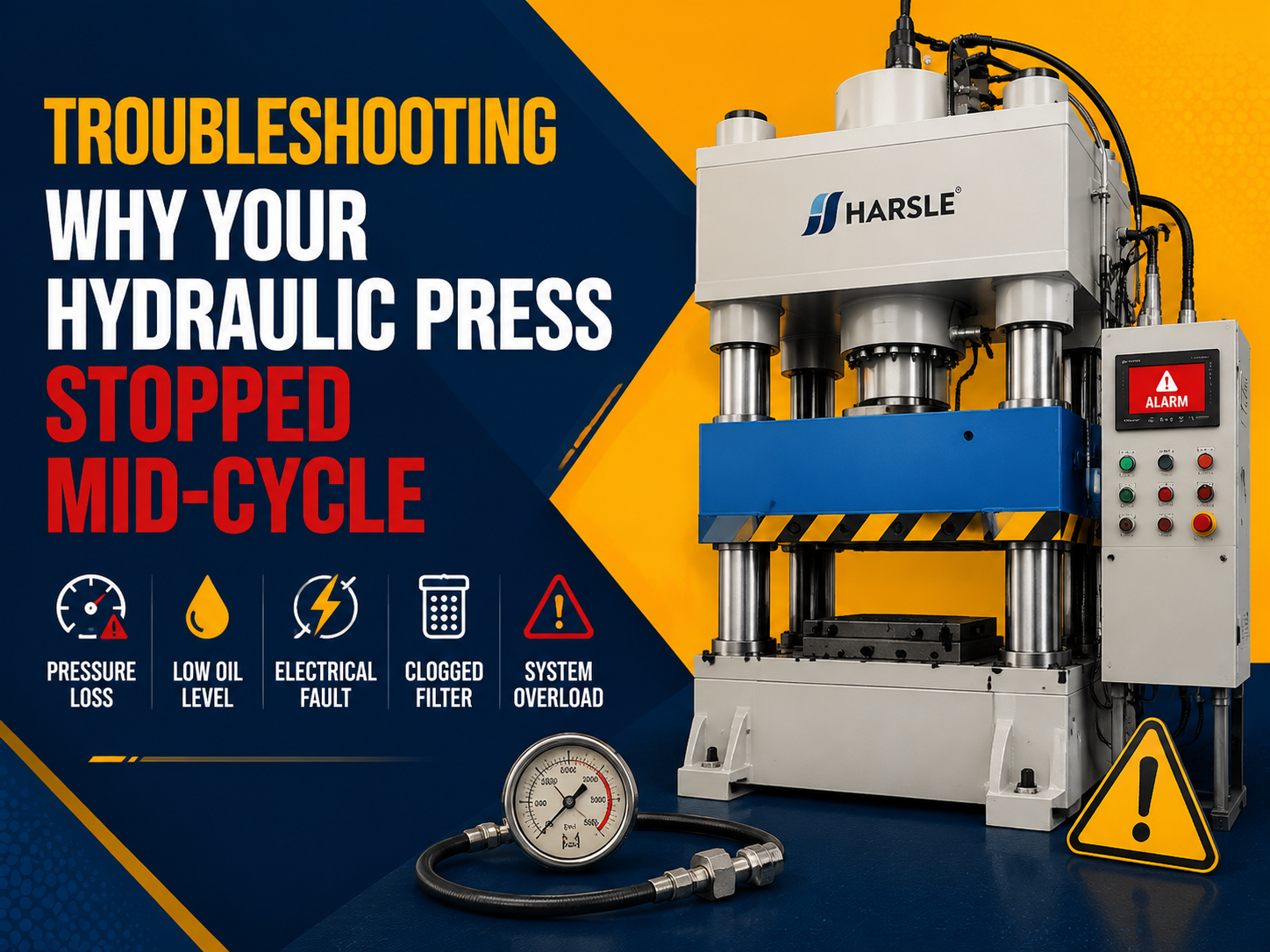
The significance of Machine Longevity in the sheet metal sector cannot be overstated. Unlike lighter manufacturing industries, metal fabrication involves massive physical forces. A press brake may exert hundreds of tons of pressure against high-strength steel. If the machine is not engineered for longevity, the frame will eventually experience “permanent set” or fatigue, leading to inaccurate bends and wasted material.
- Precision Retention: High-quality machines maintain a consistent bending radius over decades. Cheaper alternatives may develop “slop” in the ram guides within a few years, leading to angular deviations.
- Reduced Cost Per Part: When the initial cost is amortized over 20 years instead of 7, the overhead cost allocated to every part produced drops significantly.
- Resale Value: Premium brands with proven longevity retain up to 40-60% of their value on the secondary market, whereas low-tier machines often only have scrap value.
Key Factors to Consider for Long-Term Durability
When evaluating the potential longevity of a machine during the procurement phase, engineers should focus on several critical technical factors:
1. Frame Construction and Stress Relieving
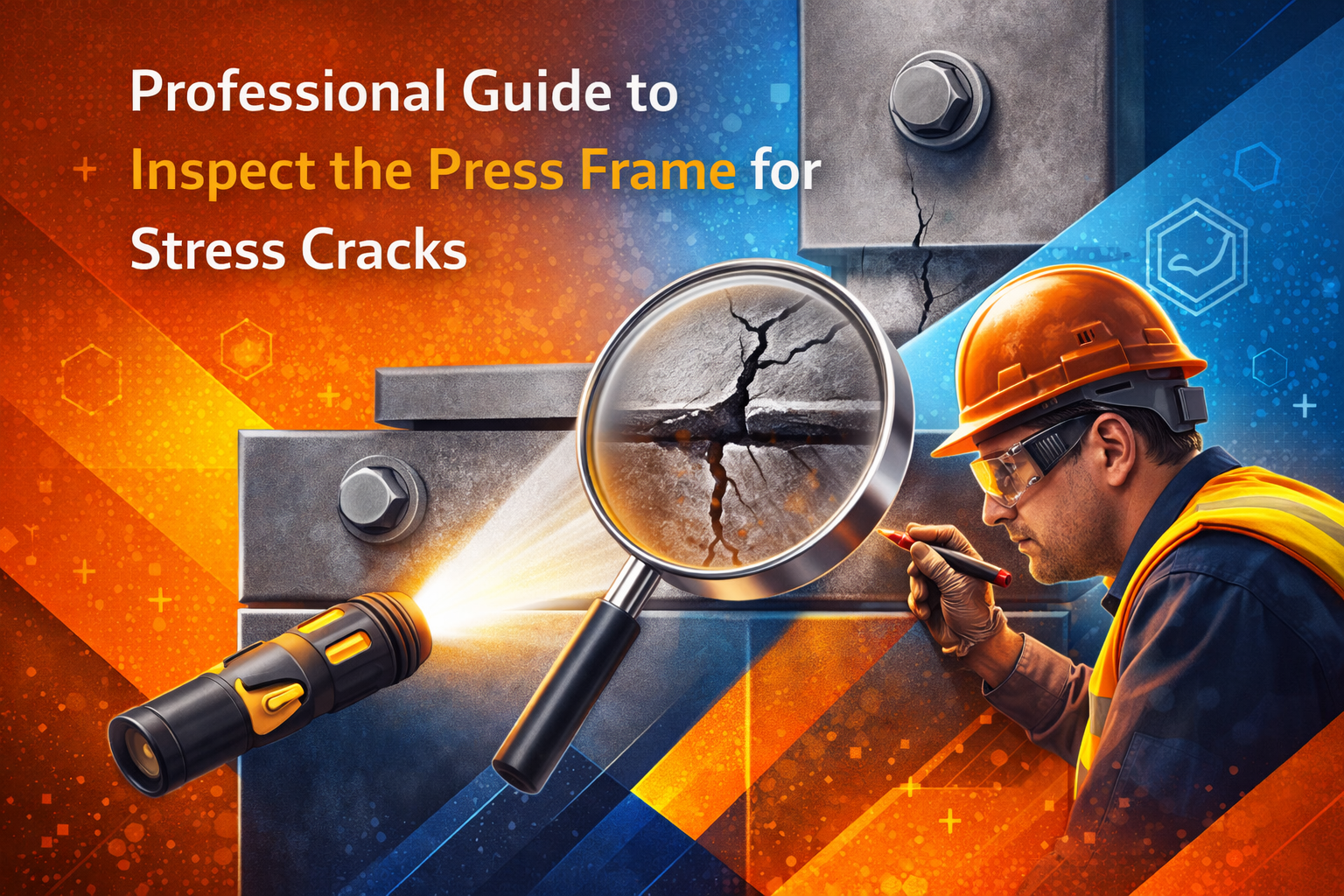
The foundation of any machine is its frame. In heavy-duty fabrication, a welded steel frame must undergo thermal annealing. This process involves heating the frame to a specific temperature and cooling it slowly to remove internal stresses created during welding. Without this, the frame will move slightly over time, ruining the machine’s calibration.
2. Component Provenance
The longevity of a backgauge system or a hydraulic manifold depends on the quality of its sub-components. Utilizing world-class components (e.g., Rexroth hydraulics, Heidenhain scales, or Fanuc motors) ensures that replacement parts will be available 15 years down the line, preventing the machine from becoming an expensive “paperweight” due to obsolete electronics.
3. Over-Engineering for Tonnage Capacity
A machine that constantly runs at 95% of its rated tonnage capacity will fail much sooner than a machine that typically runs at 60-70%. Investing in a machine with a higher capacity than currently required is a classic strategy to extend service life.
Technical Calculation of Machine Longevity ROI
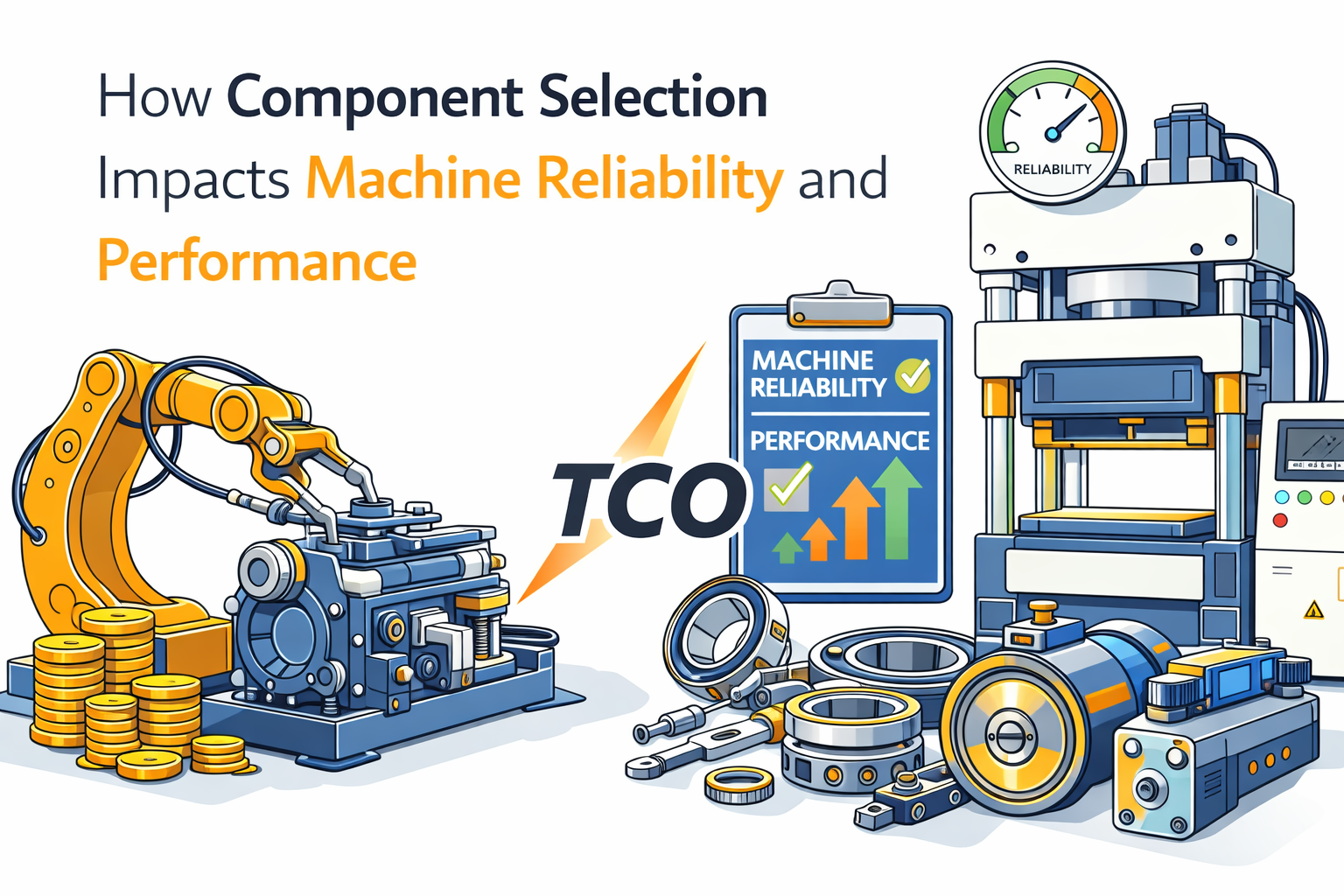
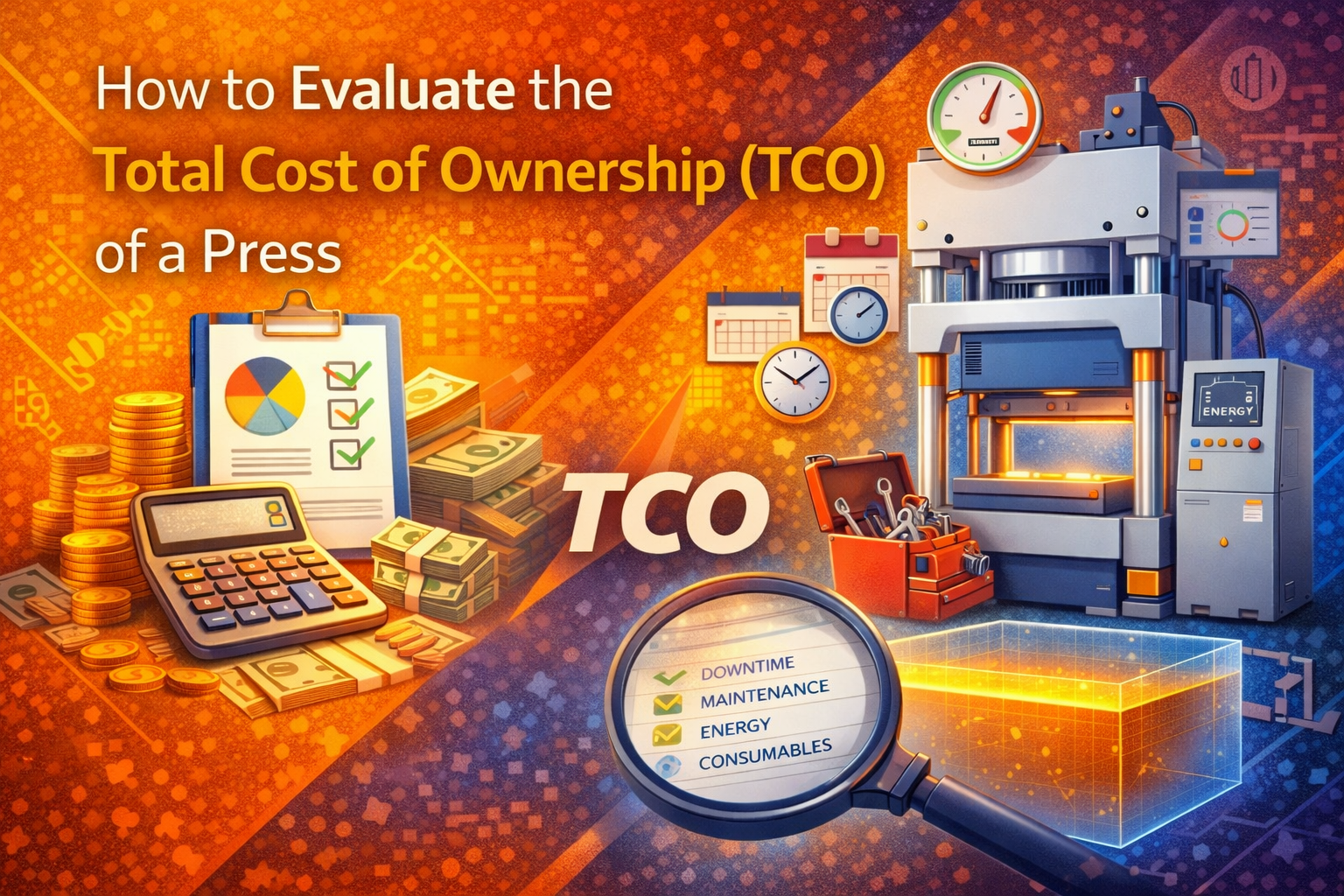
To quantify the impact of Machine Longevity, we use the Total Cost of Ownership (TCO) formula. This allows purchasing managers to compare two machines with different price points and expected lifespans.
The standard formula for TCO is:
TCO = P + (M × n) + (E × n) + (D × n) – S
Where:
- P: Purchase Price
- M: Annual Maintenance Costs
- E: Annual Energy and Consumables
- n: Number of years in service
- D: Estimated annual cost of downtime (repairs)
- S: Salvage/Resale Value
Consider the following comparison table between a High-End Machine and an Economy Machine over a 15-year horizon:
| Factor | High-End System | Economy System |
|---|---|---|
| Initial Price (P) | $250,000 | $150,000 |
| Expected Life (n) | 20 Years | 8 Years |
| Annual Maint. (M) | $3,000 | $8,000 |
| Avg. Annual Downtime (D) | $2,000 | $12,000 |
| Resale Value (S) | $80,000 | $10,000 |
| 15-Year TCO | $325,000 | $590,000 (Requires 2 machines) |
As the data demonstrates, the “cheaper” machine actually costs the company $265,000 more over 15 years due to the need for replacement and higher failure rates. This is the core of why longevity must drive the investment strategy.
Comparison: Hydraulic vs. Electric Systems in Longevity
Different drive technologies offer varying profiles for longevity. When selecting equipment, consider how the drive system aligns with your production cycle.
| คุณสมบัติ | เบรคกดไฮดรอลิก | Electric Servo Press Brake |
|---|---|---|
| Mechanical Wear | High (seals, valves, pumps) | Low (belt/ball screw) |
| Thermal Impact | Oil heats up, affects accuracy | Minimal |
| Maintenance Complexity | Requires regular fluid changes | Mainly lubrication |
| Typical Service Life | 25+ Years (if maintained) | 15-20 Years (electronics limited) |
Maximizing Machine Longevity: A Step-by-Step Guide
To ensure that your investment lasts its intended lifespan, follow this engineering-led implementation guide:
- Rigorous Commissioning: Ensure the machine is leveled perfectly on a reinforced concrete foundation. Vibration is the enemy of longevity; it loosens connections and causes micro-fractures in electronics.
- Material Control: Never exceed the maximum material tensile strength rated for the machine. Bending Hardox on a machine designed for mild steel will cause premature fatigue in the hydraulic cylinders.
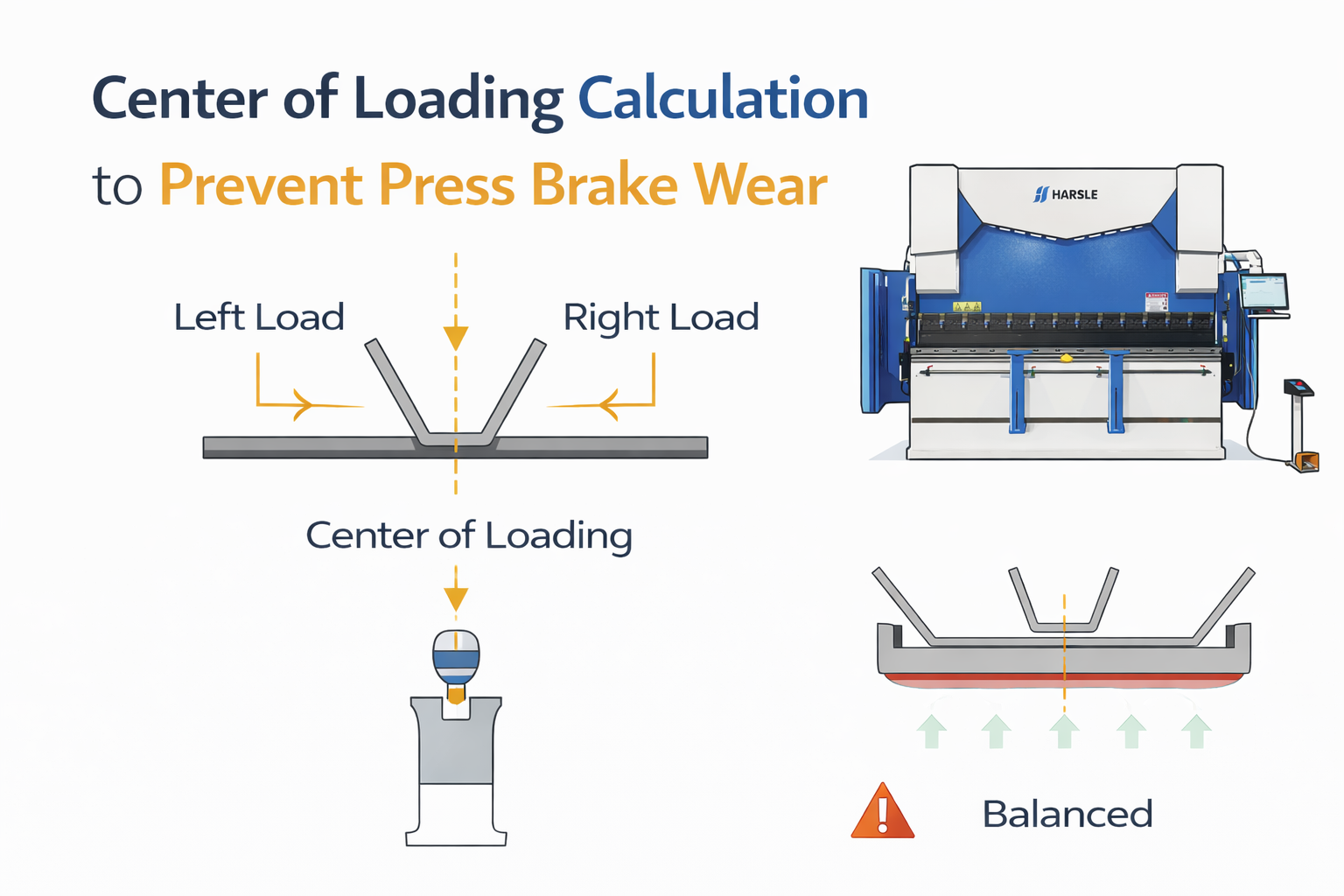
- Tooling Alignment: Use precision-ground tooling. Improperly seated punches or using the wrong die opening can cause off-center loading, which exerts side-thrust on the ram guides.
- Software Updates: Modern longevity isn’t just mechanical. Ensure the CNC controller is updated to manage power consumption and component wear-leveling algorithms.
- Scheduled Predictive Maintenance: Move beyond reactive repairs. Use oil analysis for hydraulics and thermal imaging for electrical cabinets to catch failures before they happen.
Common Mistakes to Avoid
Many purchasing managers fall into traps that compromise their total investment strategy. Avoid these common errors:
- Focusing on Initial Cost Only: The “sticker price” is often only 30% of the total cost over the machine’s life.
- Ignoring the Backgauge System: While the ram does the work, the backgauge does the accuracy. A flimsy backgauge will wear out long before the frame, leading to rejected parts.
- Neglecting Operator Training: An untrained operator can do five years of wear-and-tear damage in a single month by over-tonnaging or crashing the tool.
- Underestimating Environmental Factors: Dust, humidity, and heat significantly impact the lifespan of fiber laser sources and CNC electronics.
Industry Applications: Longevity in Practice
In the aerospace industry, where precision is paramount, machines are often kept for 20+ years. The investment strategy here focuses on rigid frames that can handle the high-tolerance demands of titanium and specialized alloys. Machine Longevity allows these firms to maintain a stable cost-basis for long-running contracts.
Conversely, in high-volume automotive stamping, machines are chosen for their duty cycle. Longevity here is measured in “strokes per year.” An investment strategy that chooses a machine with a robust centralized lubrication system and heavy-duty gibbing will survive the 24/7 demands of automotive tier-one production, whereas a standard machine would fail in less than 36 months.
บทสรุป
The impact of Machine Longevity on a total investment strategy is profound. By prioritizing structural integrity, component quality, and ease of maintenance over the lowest initial price, manufacturers can secure a significantly higher return on investment. A well-chosen machine serves as a reliable foundation for a factory, maintaining the bending angle and precision necessary to stay competitive in an evolving market. For those looking to build a sustainable and profitable fabrication business, longevity is not a luxury—it is the strategic bedrock of industrial success.
คำถามที่พบบ่อย
How does machine frame annealing affect longevity?
Annealing removes internal residual stresses from the welding process. Without it, the frame will gradually warp over several years, leading to permanent misalignment of the ram and bed, making precision bending impossible.
What is the typical lifespan of a fiber laser source compared to the machine frame?
A high-quality fiber laser source is typically rated for 100,000 hours of operation, roughly 10-12 years of multi-shift use. The mechanical frame and motion system, if well-maintained, should last 20 years or more.
Can I upgrade a machine’s CNC controller to extend its longevity?
Yes, ‘retrofitting’ is a common strategy. Replacing an obsolete controller with a modern CNC system can extend a machine’s useful life by 5-10 years, provided the mechanical frame and hydraulics remain in good condition.
How does the choice of die opening impact machine wear?
Using a die opening that is too small for the sheet thickness increases the required tonnage significantly. This places unnecessary stress on the hydraulic seals and frame, accelerating the wear of the machine.
What is the impact of high-tensile materials on machine life?
Materials like stainless steel or Hardox require much higher bending forces. Frequently operating at the machine’s maximum tonnage limits causes faster fatigue of mechanical components compared to working with mild steel.